







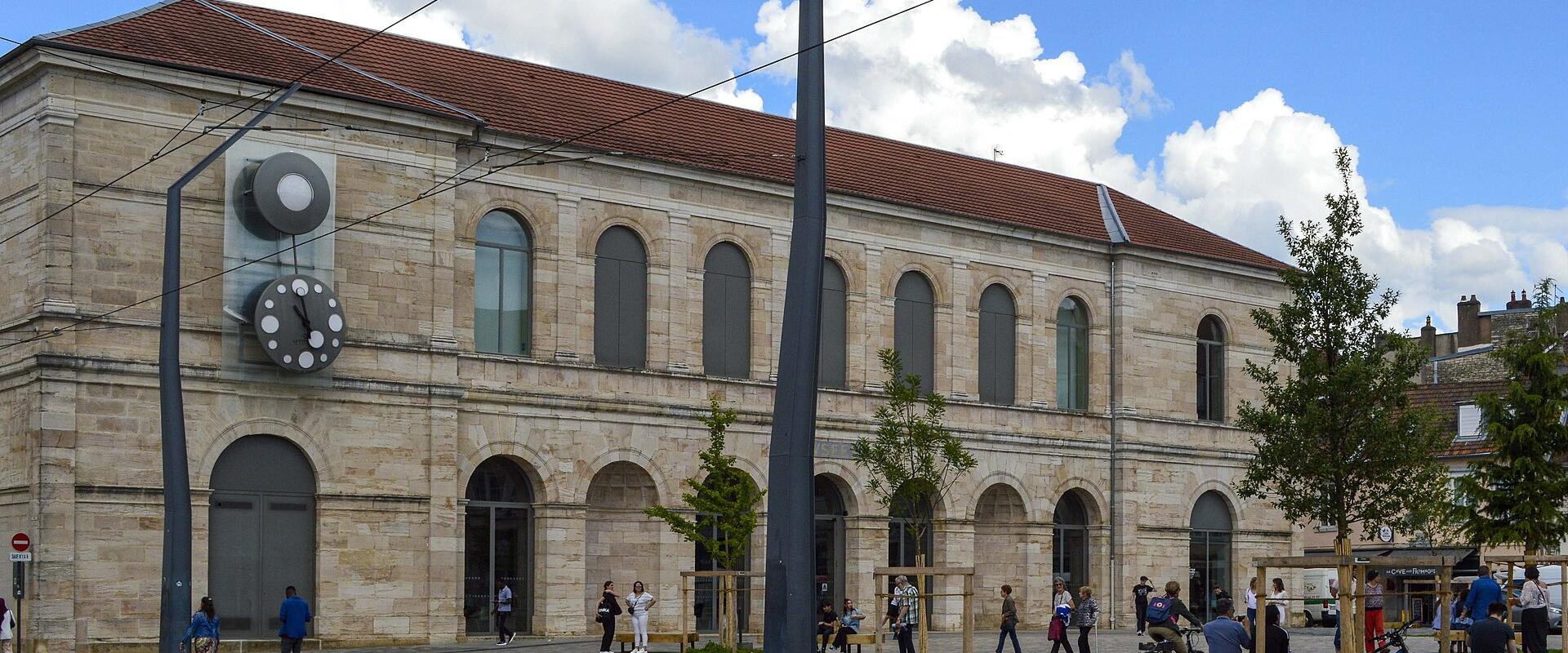
Musée des Beaux-Arts et d'Archéologie de Besançon
France's oldest public art collection, founded 1694
- Where
- Besancon, Franche-Comté
- Directions
- Directions
The Musée des Beaux-Arts et d'Archéologie de Besançon claims to be the oldest public museum in France. Its origins go back to 1694, when the abbot Jean-Baptiste Boisot, a scholar from Besançon, left his library and collections to the Benedictine monks of Saint-Vincent on condition that they be opened to the public. The collection of books, art and curiosities that he bequeathed was itself based on the holdings of the Granvelle family, in particular Nicolas Perrenot de Granvelle, the powerful chancellor of the emperor Charles V, and his son Antoine, a cardinal. It is a reminder that Besançon, then part of the Franche-Comté and ruled from Spain, was a place of influence in sixteenth-century Europe.
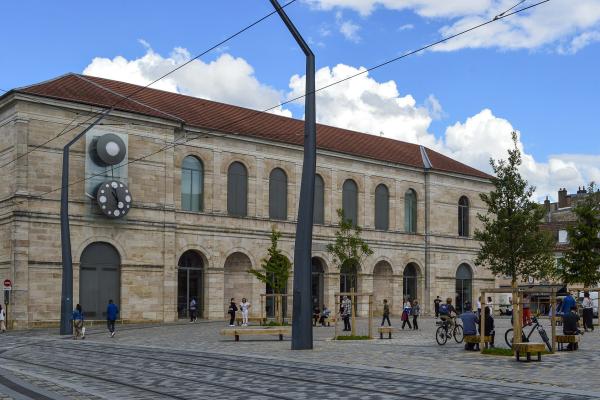
The museum occupies a building in the old town, in the loop of the Doubs river that encircles the centre of Besançon. The present museum building is a former grain market, which was converted for the purpose, and a major renovation in the 1990s created a modern interior inside the old walls. The interior is arranged around a central space with ramps and galleries that make the visit easy to follow. Besançon's other great monument, the citadel designed by Vauban and inscribed on the UNESCO list, overlooks the town from its hill.
The collections cover a wide field. The archaeological galleries present objects from prehistoric times to the Roman period, including finds from the Roman town of Vesontio, the ancient name of Besançon, and Egyptian antiquities. The fine arts galleries include paintings from the fifteenth century onward, with Italian, Flemish and French works, and strong holdings of drawings. The Franche-Comté was also the homeland of the painter Gustave Courbet, born at nearby Ornans, and the museum is a good place to see his work, along with that of other artists of the region. A section on decorative arts and the history of the museum helps to explain the way in which collections grew over centuries.
The museum is not huge, and a visit of one to two hours will cover the highlights. Check the opening schedule and the programme of temporary exhibitions, which often draw on the museum's own graphic collections. The museum suits art lovers, those who like to see the origins of public collections and visitors with an interest in the Franche-Comté. It is a short walk from the Cathédrale Saint-Jean, the Musée Comtois and the Place de la Libération, and the Musée de la Montre et de l'Horlogerie Franc-Comtoise reflects the city's tradition as a centre of watchmaking.
Categories
More photos coming soon
Nearby Attractions
Other places to visit in Besancon
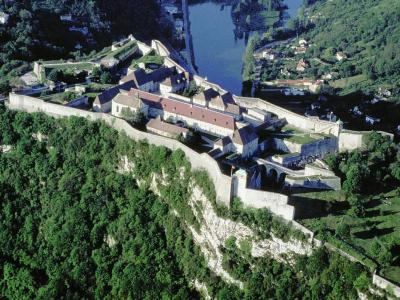
La Citadelle de Besançon
Vauban star fort overlooking the Doubs river
Fortresses · Heritage Trails
Le Vieux Besançon (Old Town)
Best-preserved historic city in a river loop
City Centers · Heritage Trails
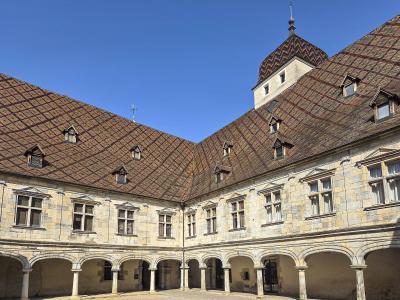
Musée de la Montre et de l'Horlogerie Franc-Comtoise
Granvelle Palace housing 1,500 timepieces
Museums & Culture
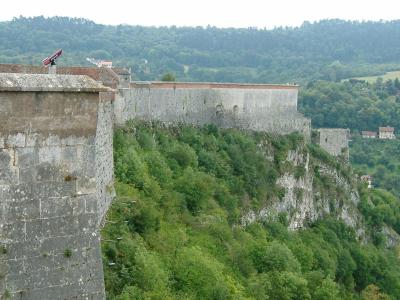
Musée Comtois
Regional history museum in Besançon Citadel
Historic Architecture · Museums & Culture
Questions people ask
Quick Facts
Best Time to Visit
Late June to early September offers warm weather and ideal conditions for outdoor activities and sightseeing.