







Musée de la Montre et de l'Horlogerie Franc-Comtoise
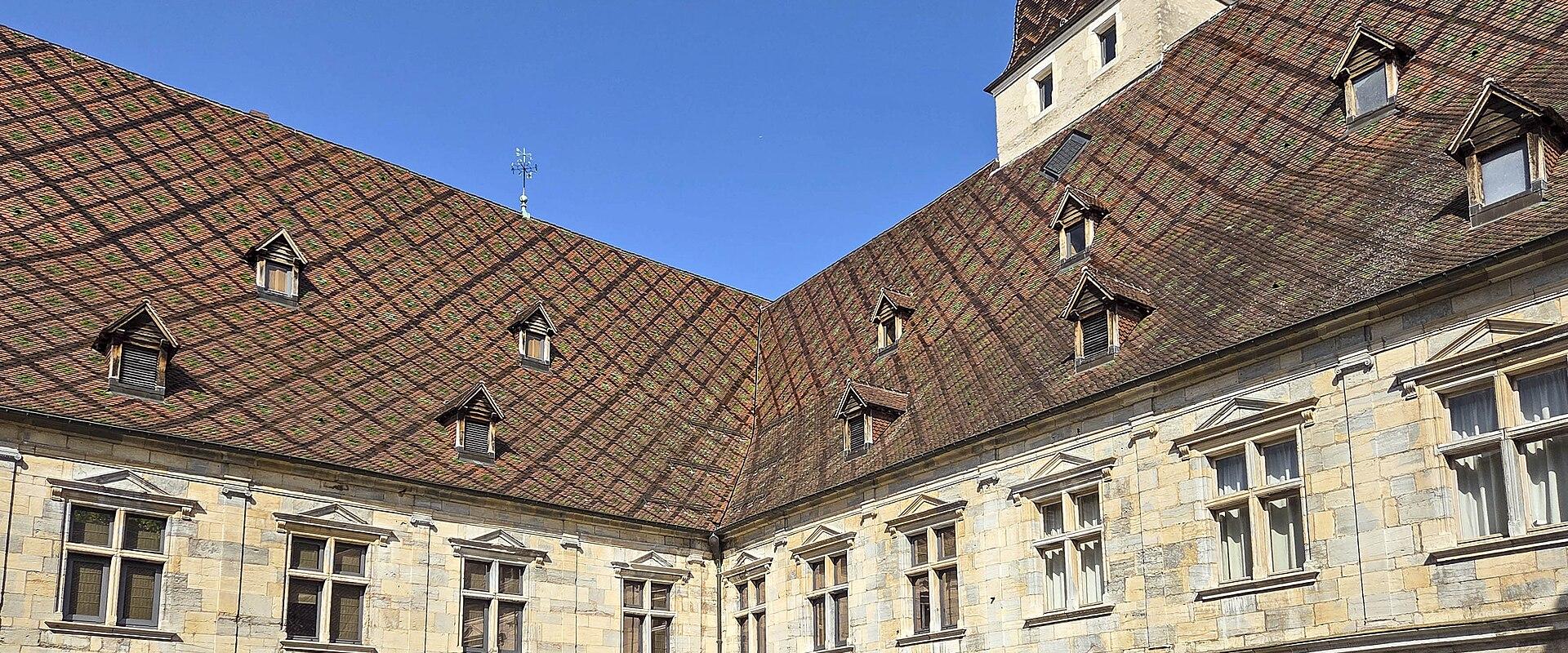
Granvelle Palace housing 1,500 timepieces
- Where
- Besancon, Franche-Comté
- Directions
- Directions
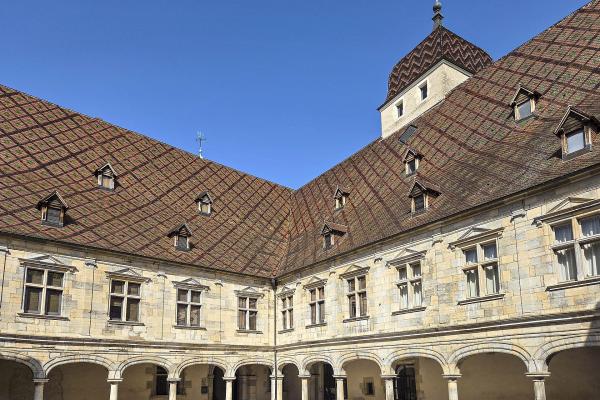
Besançon has long been regarded as the French capital of watchmaking, and the museum that tells that story, today called the Musée du Temps, is installed in one of the finest Renaissance buildings in the city, the Palais Granvelle. The palace was built in the 1530s for Nicolas Perrenot de Granvelle, chancellor to the emperor Charles V, and it is an example of the wealth and refinement of the Franche-Comté at a time when the region belonged to the Habsburg domains. Its courtyard, loggias and carved stone are among the sights of the old centre in their own right.
The watch industry came to Besançon relatively late. In 1793, during the French Revolution, a group of Swiss watchmakers led by Laurent Mégevand settled in the city, and from this beginning a major industry grew up that employed thousands of people in the nineteenth and twentieth centuries. Besançon produced watches in great numbers, and later firms such as Lip became household names in France. The Comtoise or Morbier clock, a tall pendulum clock with a distinctive painted face and a long case, is the traditional product of the Franche-Comté countryside and is closely associated with the region.
The museum presents this heritage through a rich collection. Visitors can see a large number of watches, movements and watch cases, and wooden clocks including examples of Comtoise models. Displays explain how the work was divided among specialist trades, how tools and machines were used and how scientific instruments evolved, from simple devices to the very precise instruments of modern times. A collection of prints and engravings related to clocks and timekeeping also helps illustrate the cultural side of the story. The museum considers the history of time in a broad sense, so that the clocks are explained in the context of how people have measured and organised time, in navigation, astronomy and daily life.
The building adds to the experience. Walking through the rooms of the Granvelle palace, with their high ceilings and views over the inner courtyard, makes the visit feel more like a stroll through a historic house than a trip to a technical museum. The museum offers guided visits and workshops at certain times, which are worth checking if you have a particular interest in the subject.
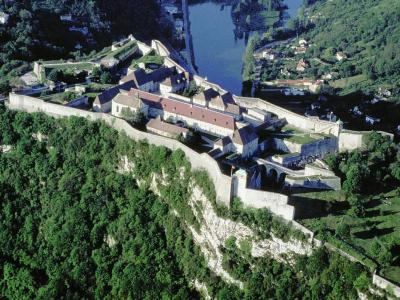
Besançon rewards a longer stay. The Citadelle, built by Vauban and part of the Vauban fortifications inscribed by UNESCO, overlooks the town from its rocky hill, and the Musée Comtois covers regional life. The Cathédrale Saint-Jean, the Roman theatre and the old town, enclosed in a loop of the River Doubs, give a wider view of the city. The Marché des Capucins brings regional produce, including Comté cheese and sausages from the Haut-Doubs. This museum suits anyone who likes precision objects and industrial history, and it is a good choice on a wet day.
Categories
More photos coming soon
Nearby Attractions
Other places to visit in Besancon
La Citadelle de Besançon
Vauban star fort overlooking the Doubs river
Fortresses · Heritage Trails
Le Vieux Besançon (Old Town)
Best-preserved historic city in a river loop
City Centers · Heritage Trails
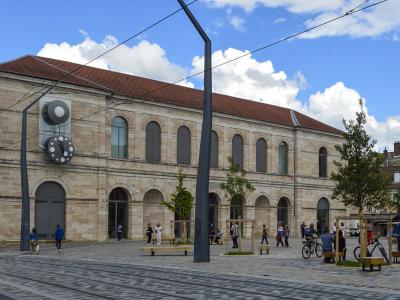
Musée des Beaux-Arts et d'Archéologie de Besançon
France's oldest public art collection, founded 1694
Museums & Culture
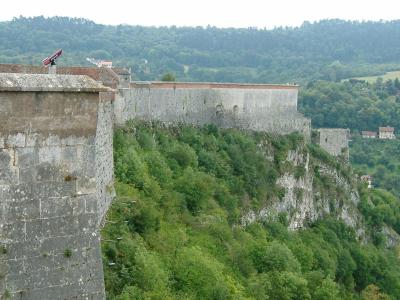
Musée Comtois
Regional history museum in Besançon Citadel
Historic Architecture · Museums & Culture
Questions people ask
Quick Facts
Best Time to Visit
Late June to early September offers warm weather and ideal conditions for outdoor activities and sightseeing.