

Besancon
Historic fortified city on a loop of the Doubs River
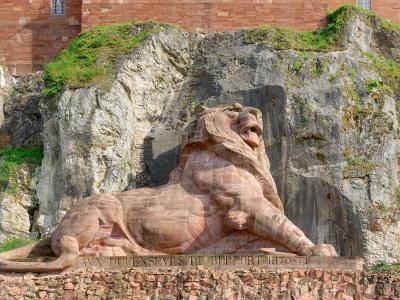
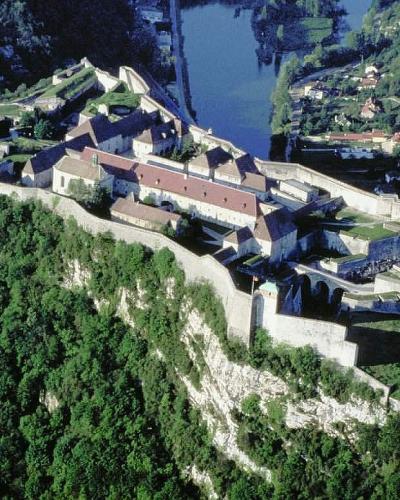
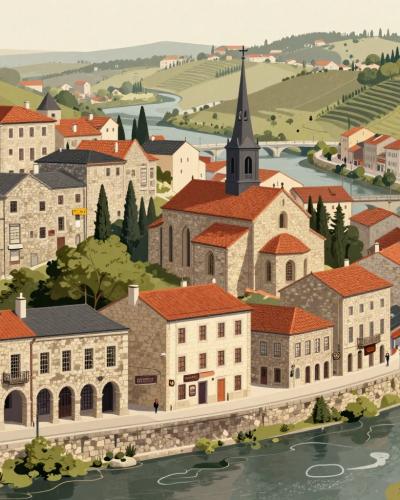
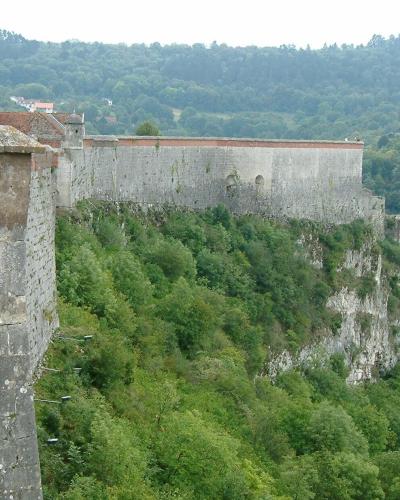
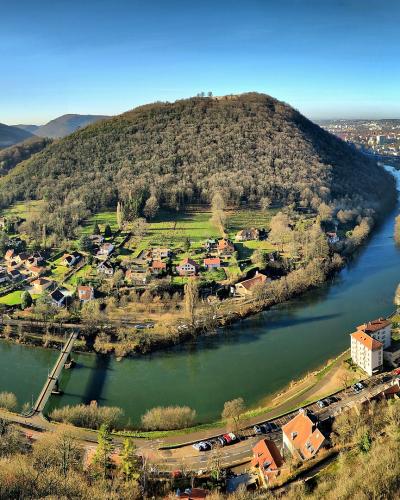
Besançon, situated in the Doubs department of eastern France, is a city with a profound historical and geographical identity. Historically, it was a strategic stronghold for various powers, including the Romans, Burgundians, and Habsburgs. In the 17th century, it was fortified by the renowned military engineer Sébastien Le Prestre de Vauban, who built the massive Citadel overlooking the city. The Citadel remains one of the best-preserved examples of Vauban's work and is a UNESCO World Heritage site. The city also has a rich literary heritage as the birthplace of Victor Hugo, whose family home is now a museum. Besançon was historically a major center for the watchmaking industry, a legacy that continues today with brands like Longines and Tissot having roots in the region. The city's layout is unique, with the Doubs River forming a complete loop around the historic center, creating a natural fortress. The city suffered damage during World War II but was rebuilt, preserving its historic character while embracing modernity.
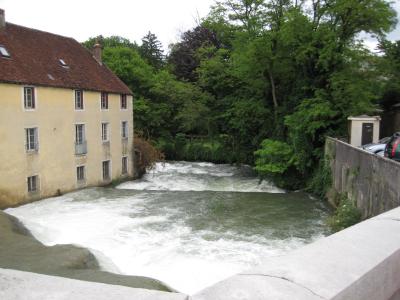
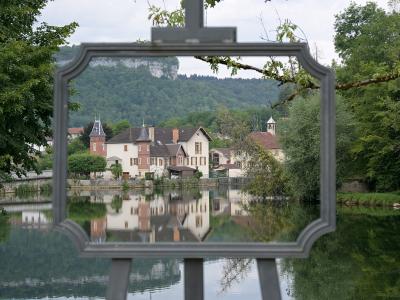
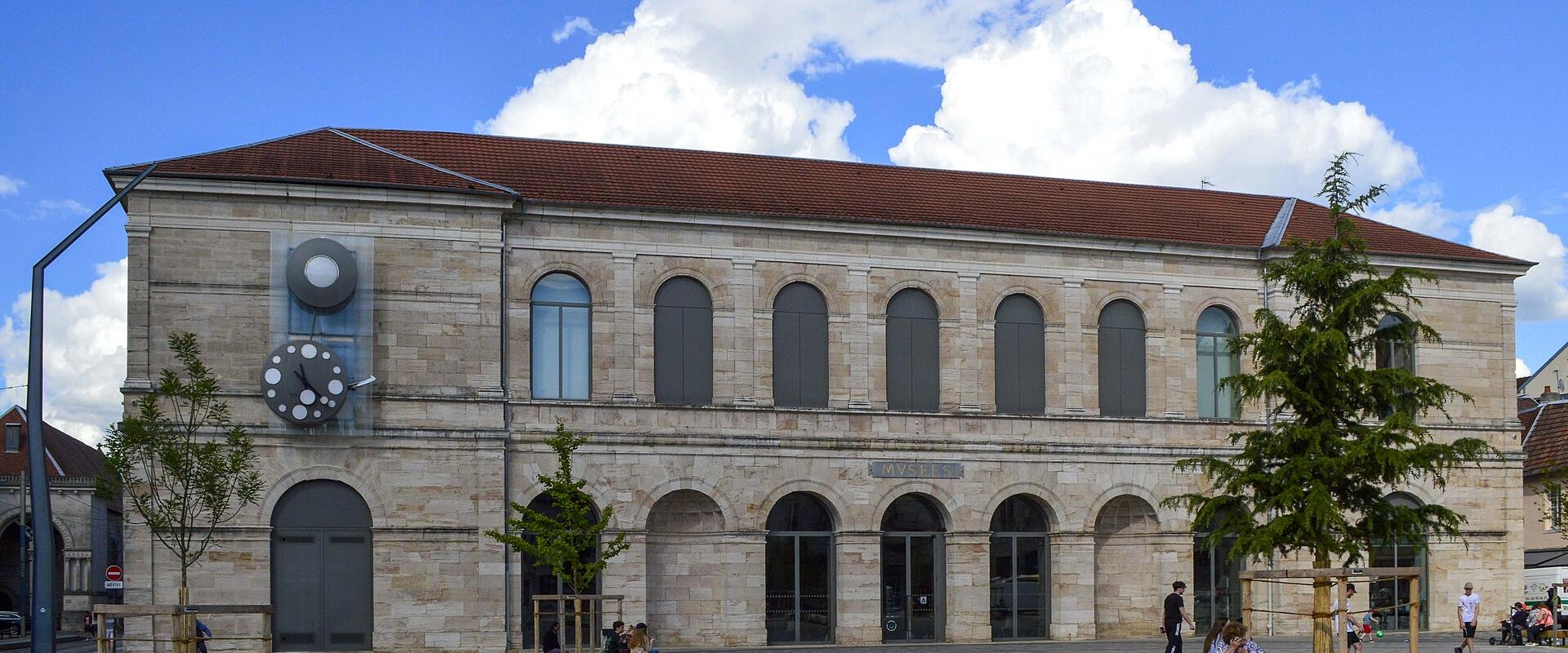
The main attractions in Besançon reflect its military, astronomical, and literary heritage. The Citadel is the primary landmark, housing the Observatory, which features a famous astronomical clock, and the Museum of Resistance and Deportation. The Observatory of Besançon is one of the oldest in France, known for its precision timekeeping. The Victor Hugo Museum, located in his birthplace, offers insights into the life of the famous writer. The Cathedral of Saint-Jean, a Romanesque and Gothic structure, is another significant religious site. The Battant District, on the other side of the river, features narrow streets and historic buildings. The Doubs River offers scenic walks and opportunities for canoeing. The Jardin des Roses is a beautiful park in the city center.
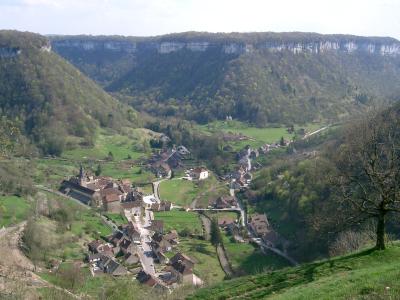
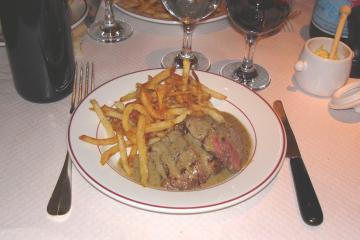
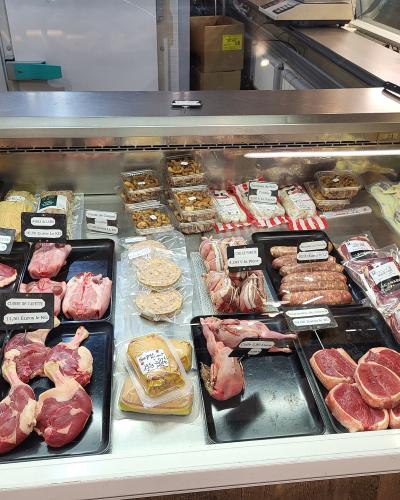
Besançon offers various activities for visitors interested in history, nature, and culture. The city is a starting point for exploring the Jura Mountains, with numerous hiking and cycling trails. The Doubs River offers opportunities for canoeing and kayaking. The local cuisine features Franche-Comté specialties, including comté cheese, morbier cheese, and vin jaune. The city hosts various festivals throughout the year, including the Besançon International Classical Music Festival. The nearby town of Montbéliard is known for its Peugeot heritage and castle. The surrounding region offers opportunities for wine tasting in the Jura vineyards.
Getting to Besançon is convenient via train, with regular services from Paris and other major French cities. The train station is located in the city center, making it easily accessible. For those traveling by car, Besançon is accessible via the A36 motorway. The best time to visit Besançon is from late June to early September, when the weather is warm and pleasant, ideal for exploring the outdoor attractions and walking tours. July and August are the warmest months, with average highs around 25°C, but also the busiest. Spring and autumn offer milder weather and fewer crowds, making them suitable for sightseeing and museum visits. Winter is cooler and quieter, offering a serene atmosphere for indoor museum visits. Besançon combines historical depth, natural beauty, and cultural richness, making it a compelling destination for travelers seeking an authentic Franche-Comté experience.
Best Time to Visit
Late June to early September offers warm weather and ideal conditions for outdoor activities and sightseeing.
Did you know?
Interesting, verified facts about Besancon
Victor Hugo's Hometown
Notable PersonThe celebrated French author Victor Hugo was born in Besançon. This historical connection is a notable point of interest for literary travelers visiting the city in the Franche-Comté region.
Source: external sourcePlan Your Visit to Besancon
Essential travel tips and information for your trip to Besancon.
Suggested Itineraries
One Day in Besancon
1 dayPerfect for a quick visit. See the main highlights and get a taste of local culture.
Extended Besancon Experience
2-3 daysComprehensive exploration including nearby attractions and cultural experiences.
Travel Tips
Currency
EUR • Cards widely accepted
Language
French • English in tourist areas
WiFi
Free WiFi in cafes and hotels
Explore Besancon by Interest
Discover attractions and experiences in Besancon organized by your interests and travel preferences.
All attractions in Besancon
Sorted by our recommendation score
Quick Facts
Book your stay
Frequently Asked Questions
More destinations in Franche-Comté
Explore other amazing places in the Franche-Comté region