







- Where
- Clermont-ferrand, Auvergne
- Directions
- Directions
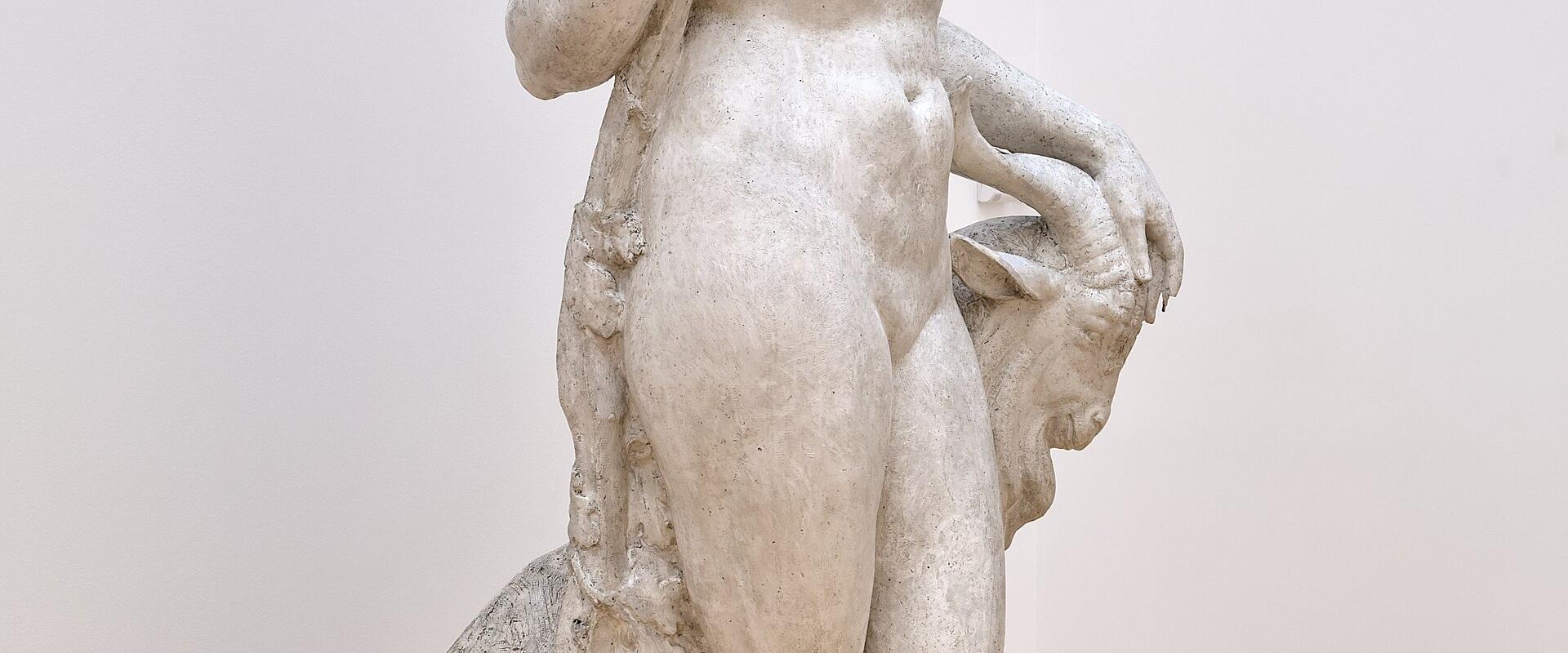
The Musée d'Art Roger-Quilliot is the fine arts museum of Clermont-Ferrand, and it takes its name from Roger Quilliot, a writer, university teacher and politician who was mayor of the city for many years and a driving force behind its cultural life. It is installed in a former Ursuline convent of the seventeenth century, whose old stone walls have been combined with a modern extension of glass and light, creating a bright atrium that links the historic and contemporary parts. The mix of old and new buildings is a good setting for a collection that runs from the Middle Ages to the twentieth century.
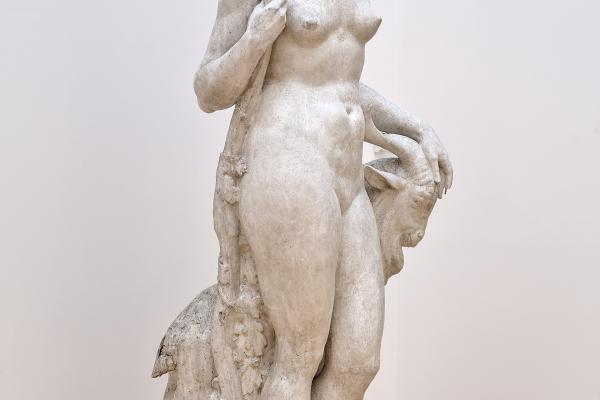
The museum is arranged in broadly chronological order, so you can follow the history of art in the Auvergne and beyond as you walk through. The medieval galleries are among the most interesting, with Romanesque and Gothic sculpture from the churches and abbeys of the region, such as the wooden Virgins in Majesty, which show the Virgin seated with the Christ child on her lap and were venerated in Auvergne from the twelfth century. The Auvergne is known for the quality of its Romanesque art, and these works show a distinctive local style, sturdy and expressive, with a sense of strong spirituality.
Later sections cover the Renaissance and the seventeenth and eighteenth centuries, with paintings by artists such as Philippe de Champaigne, and decorative arts that include the earthenware of the region. The nineteenth century is represented by landscapes of the sort painted by Camille Corot and by the realists, as well as works by regional painters, and the twentieth century brings in figurative painting and the École de Paris. Gifts and donations from local collectors have enriched the holdings. The museum also stages temporary exhibitions on themes from history and contemporary art, and it organises talks, conferences and activities for families.
Clermont-Ferrand itself is a city of art and history. Its cathedral, built of black volcanic stone, rises over the old quarter, and the Place de Jaude, the largest square in the city, has a monumental bronze statue of the Gaulish chieftain Vercingétorix on horseback, made by the sculptor Frédéric Auguste Bartholdi, who also created the Statue of Liberty. Vercingétorix, who led the Gauls against Caesar in 52 BC, came from the Auvergne, and the statue is a symbol of the region's identity. The Marché Central, the Quartier de la Boucherie and the Cité des Sciences et de l'Industrie are other points of interest, and the Puy de Dôme, a volcano with a sweeping view of the chain of Puys, lies a short drive away.
The museum suits art lovers, those interested in the heritage of the Auvergne and anyone looking for a calm indoor visit. Allow about two hours. Opening days and hours vary through the year, and temporary exhibitions can change the layout, so check ahead before you go. The building is accessible, and the atrium is a pleasant place to rest.
Categories
More photos coming soon
Nearby Attractions
Other places to visit in Clermont-ferrand
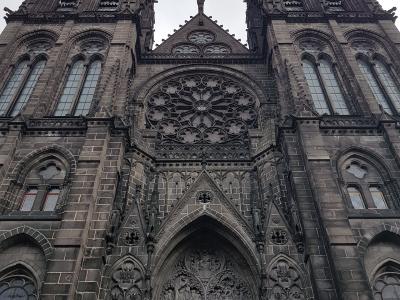
Cathédrale Notre-Dame-de-l'Assomption
Gothic cathedral of black lava stone
Free Architectural Landmarks · Churches
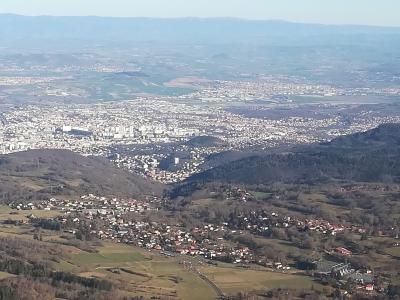
Puy de Dôme
UNESCO volcano summit with panoramic train access
Geological Sites · Heritage Trails
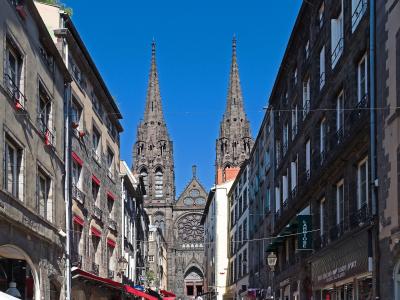
Quartier de la Boucherie
Medieval neighborhood of the former butcher's guild
Guided Experiences · Historic Architecture
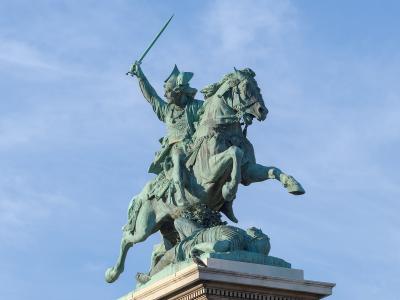
Place de Jaude
Clermont-Ferrand's central square with Bartholdi statue
Free City Centers · Squares
Questions people ask
Quick Facts
Best Time to Visit
Late June to early September offers warm weather and ideal conditions for outdoor activities and sightseeing.