







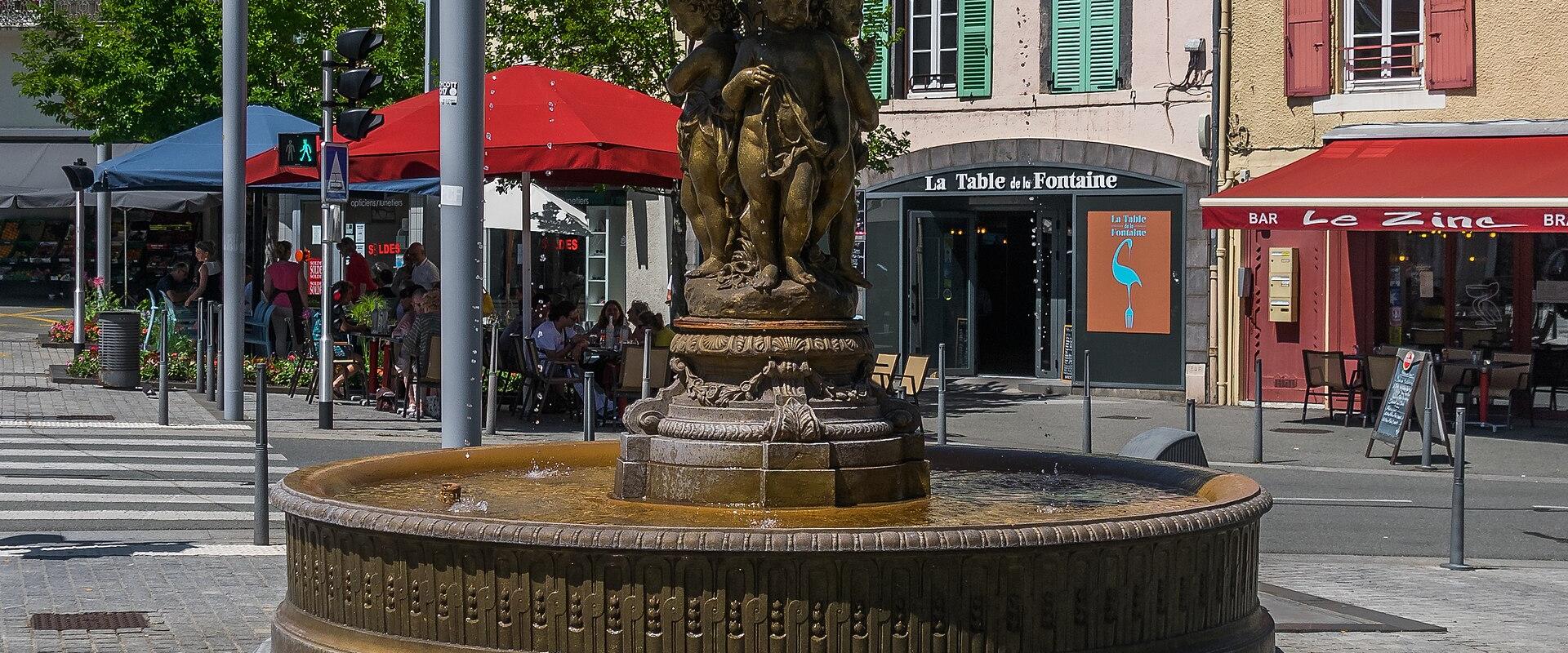
Clermont-ferrand
Volcanic Auvergne capital with black stone architecture and Michelin heritage
Clermont-Ferrand, situated in the Puy-de-Dôme department of the Auvergne-Rhône-Alpes region, is a city with a profound historical and geological identity. Historically, it was the capital of the Arverni tribe, whose leader Vercingétorix defeated Caesar's legions at nearby Gergovia in 52 BC, and the city later became a significant ecclesiastical centre; Pope Urban II preached the First Crusade here in 1095. The city was formed by the merger of Clermont and Montferrand in 1731. Its architecture is unique in France, characterized by the use of black lava stone from the nearby volcanoes, giving the old town a distinct and somber beauty. The city played a crucial role in the religious conflicts of the 16th century and later became a centre of education and industry. In the late 19th century, the arrival of the Michelin brothers transformed the city into a global hub for the tire industry, shaping its modern economic and cultural identity.
The main attractions in Clermont-Ferrand reflect its volcanic setting and industrial heritage. The Cathédrale Notre-Dame-de-l'Assomption is a masterpiece of Gothic architecture, featuring a tall spire and intricate stone carvings, and a view from its tower reaches across the roofs. The Basilique Notre-Dame-du-Port, a Romanesque jewel, is a UNESCO World Heritage site, renowned for its sculpted capitals and serene cloister, and its crypt is worth finding. The Puy de Dôme, an extinct volcano located just outside the city, rises to about 1,465 meters and is reached by a panoramic rack railway or hiking trails, with views of the Limagne Plain and the Chaîne des Puys; the Roman temple of Mercury once stood at its summit. The L'Aventure Michelin museum is an essential stop, showcasing the history of the Michelin brand through interactive exhibits and a vast collection of vintage vehicles. The city center features the Place de la Victoire and the Place de Jaude, lively squares surrounded by cafes and historic buildings, and the Place de Jaude has a statue of Vercingétorix. The Musée d'Art Roger-Quilliot, the city's main art museum, and the Marché Central, an indoor market, round out a day, while the Quartier de la Boucherie preserves a medieval district near the cathedral.
Clermont-Ferrand offers various activities for visitors interested in history, nature and culture. The Chaîne des Puys offers extensive hiking and cycling trails, allowing visitors to explore the volcanic landscape, and it has been recognised by UNESCO. The Vulcania theme park, located nearby, provides an educational and entertaining experience about volcanoes. The city also hosts the International Comedy Festival (Festival du Rire) and the Clermont-Ferrand International Short Film Festival, attracting artists and audiences from around the world; the short film festival, held in late winter, is one of the largest of its kind. The local cuisine features Auvergne specialties, including Salers cheese, Saint-Nectaire, truffles and duck confit. The surrounding region offers opportunities for skiing in the winter and hiking in the summer.
Getting to Clermont-Ferrand is convenient via train, with services connecting it to Paris in a little over three hours, and to Lyon and other major French cities; most services are conventional intercity trains. The train station is located close to the city center, making it easily accessible. For those traveling by car, Clermont-Ferrand is connected by the A71 and A89 motorways. The best time to visit is from late June to early September, when the weather is warm and pleasant, ideal for exploring the outdoor attractions and hiking trails. July and August are the warmest months, with average highs around 25°C, but also the busiest. Spring and autumn offer milder weather and fewer crowds, making them suitable for sightseeing and museum visits. Winter is cooler and quieter, offering a serene atmosphere for indoor museum visits and potential skiing in the nearby mountains.
Best time to visit
Late June to early September offers warm weather and ideal conditions for outdoor activities and sightseeing.
What to see in Clermont-ferrand
Our picks first.
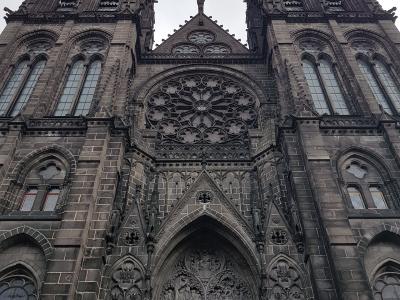
Cathédrale Notre-Dame-de-l'Assomption
Gothic cathedral of black lava stone
Free Architectural Landmarks · Churches
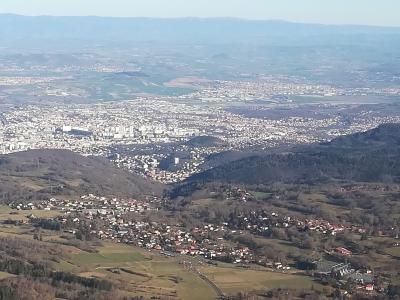
Puy de Dôme
UNESCO volcano summit with panoramic train access
Geological Sites · Heritage Trails
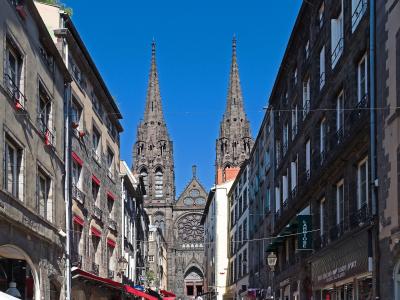
Quartier de la Boucherie
Medieval neighborhood of the former butcher's guild
Guided Experiences · Historic Architecture
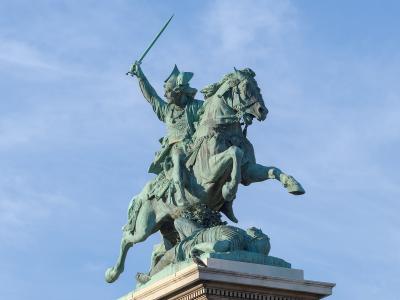
Place de Jaude
Clermont-Ferrand's central square with Bartholdi statue
Free City Centers · Squares
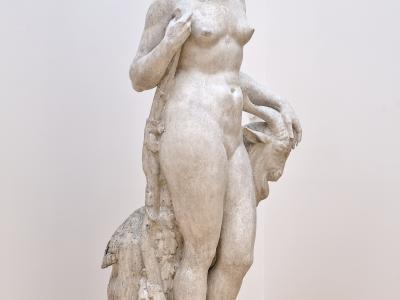
Musée d'Art Roger-Quilliot
17th-century convent housing fine arts
Historic Architecture · Museums & Culture
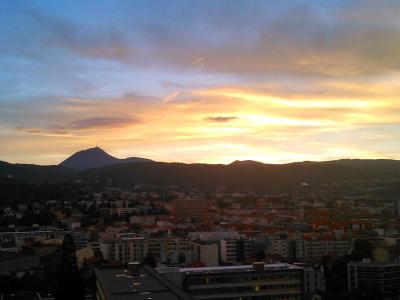
Volcan des Dômes
Highest volcano in the Chaîne des Puys UNESCO site
Geological Sites · Heritage Trails
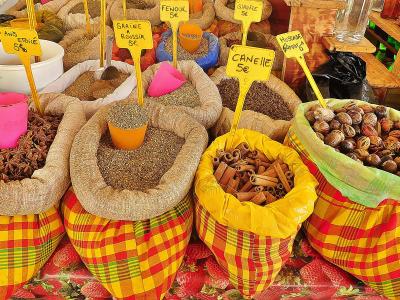
Marché Central
19th-century covered market in Clermont-Ferrand
Free Urban Exploration
Clermont-ferrand by interest
The same sights, grouped by what you came for.
Did you know?
Checked facts about Clermont-ferrand, each with its source.
-
History
First Council of Clermont convened in 535
On November 8, 535, the first Council of Clermont opened at Arvernis with fifteen bishops participating, marking a significant early ecclesiastical gathering in the region's history.
Source: en.wikipedia.org
Planning a visit to Clermont-ferrand
Good to know
- Currency
- EUR
- Language
- French
Quick Facts
Book your stay
Questions people ask
More places in Auvergne
Auvergne
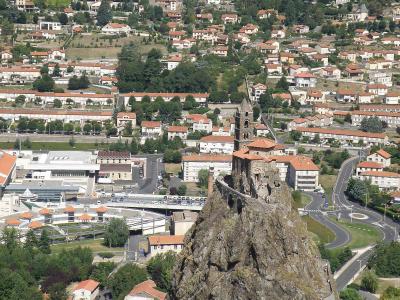
Le Puy-en-velay
Volcanic town and starting point of the Way of St. James
Auvergne
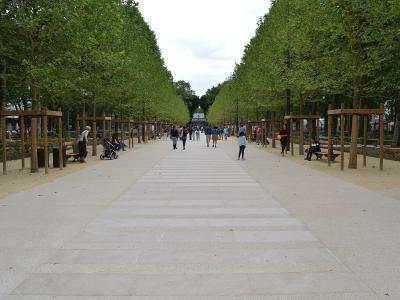
Vichy
Historic spa town on the Allier River with Belle Époque architecture
Auvergne
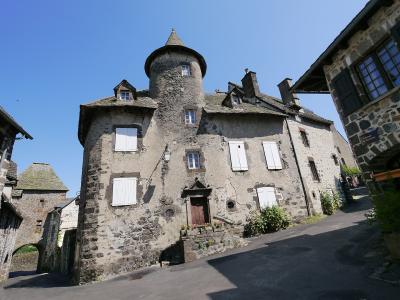
Salers
Medieval village on volcanic plateau known for cheese and cattle
Auvergne
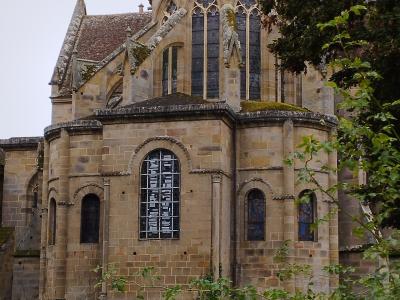
Souvigny
Old Bourbon town with a great Cluniac priory church