







Quartier de la Boucherie
Medieval neighborhood of the former butcher's guild
- Where
- Clermont-ferrand, Auvergne
- Directions
- Directions
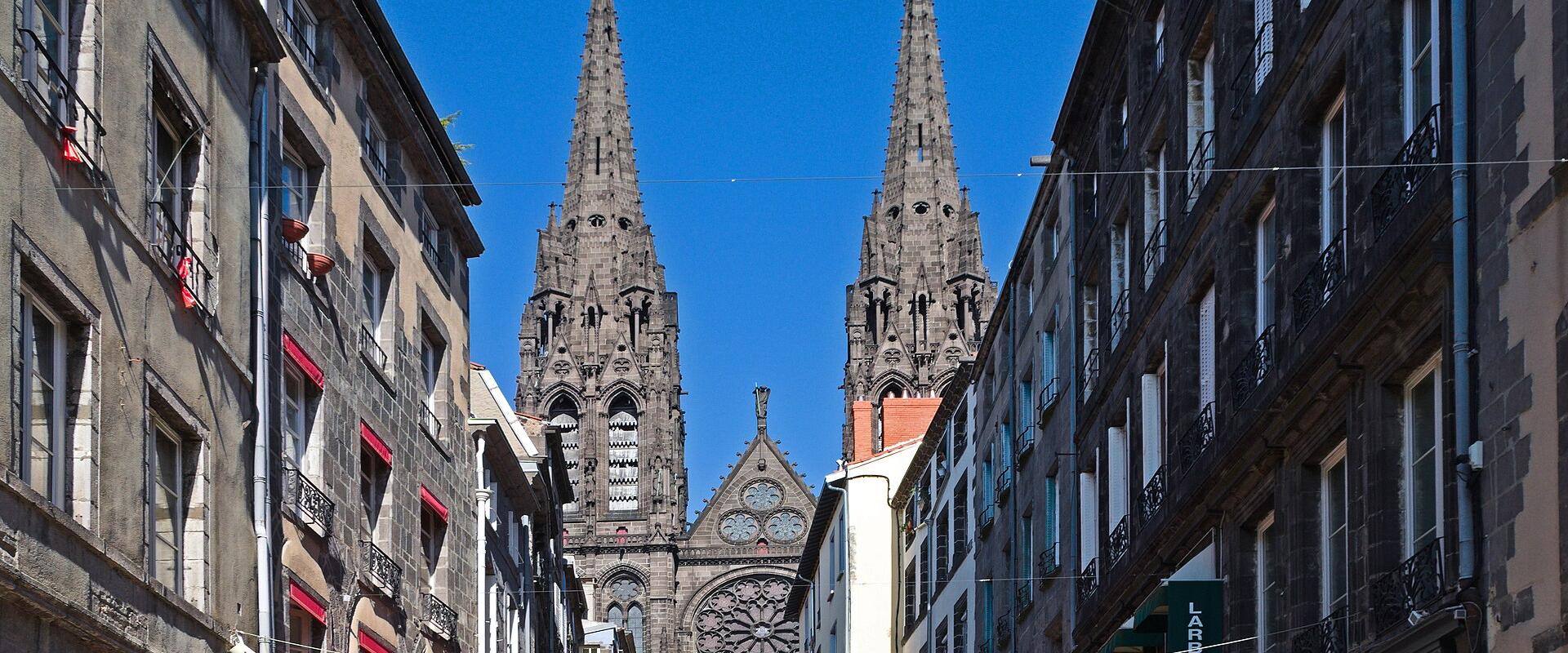
Clermont-Ferrand's old centre is built on a rise of volcanic ground and, more than most French cities, it is made of volcanic stone. The dark grey-black of the cathedral and many older buildings comes from lava quarried at Volvic, a few kilometres away, and the effect is a city with a sombre, dignified look that is quite unlike the pale limestone of Paris or Lyon. The Quartier de la Boucherie belongs to this historic core, an area of narrow lanes near the cathedral where the street names and layout preserve the memory of the trades that once clustered here, including the butchers whose guild gave the neighbourhood its name.
Medieval towns often grouped trades by street, with butchers, tanners, bakers and weavers each in their own district, and Clermont followed the same pattern. In the old centre, you can still follow lanes that open suddenly onto little squares, passing tall houses, stone doorways and, here and there, carved details from the Renaissance. The quarter is best explored on foot without a fixed plan, as there is little to tick off; the pleasure is in the atmosphere and the architecture, and in discovering corners that the main streets hide.
The area rewards a visit around meal times. Restaurants and bistros in the old centre serve Auvergne specialities such as aligot, potato mashed with fresh cheese and garlic, truffade, cured ham, and cheeses such as Saint-Nectaire, Cantal and Bleu d'Auvergne. A wander in the quarter after lunch takes you quickly to the Cathédrale Notre-Dame-de-l'Assomption, a Gothic building in black lava stone with two tall spires, and to the Place de Jaude, the city's main square, a short walk away. The Marché Central and the Musée d'Art Roger-Quilliot are further good stops.
Clermont-Ferrand has a long and significant history. It was the capital of the Auvergne for centuries, and in 1095 Pope Urban II called for the First Crusade here at the Council of Clermont. The mathematician and philosopher Blaise Pascal was born in the city in 1623. The Michelin tyre company, founded here, has its headquarters in the city and has shaped its economy, and the Aventure Michelin museum tells its story. The city is also the gateway to a chain of extinct volcanoes, the Chaîne des Puys, and the Puy de Dôme, with its summit views and a panoramic train, can be seen from the old streets on a clear day.
A stroll through the Quartier de la Boucherie suits travellers who enjoy old streets and history, and it makes a gentle half-day before heading to the volcanoes. It is quietest in the morning, and lively in the evening when the restaurants fill. Wear comfortable shoes, as the streets are cobbled and sloping, and combine the quarter with a visit to the cathedral and the Place de Jaude for a rounded picture of the old city.
More photos coming soon
Nearby Attractions
Other places to visit in Clermont-ferrand
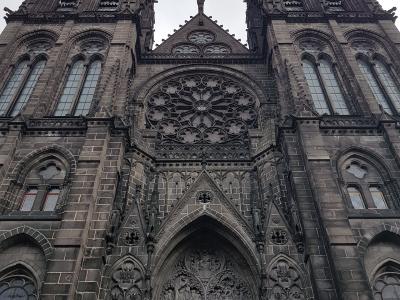
Cathédrale Notre-Dame-de-l'Assomption
Gothic cathedral of black lava stone
Free Architectural Landmarks · Churches
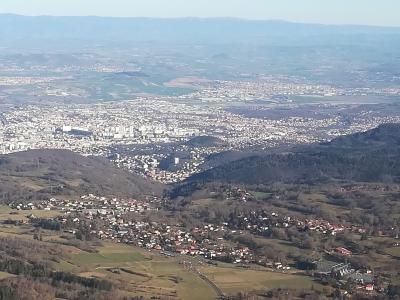
Puy de Dôme
UNESCO volcano summit with panoramic train access
Geological Sites · Heritage Trails
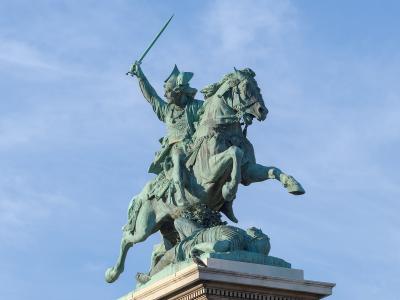
Place de Jaude
Clermont-Ferrand's central square with Bartholdi statue
Free City Centers · Squares
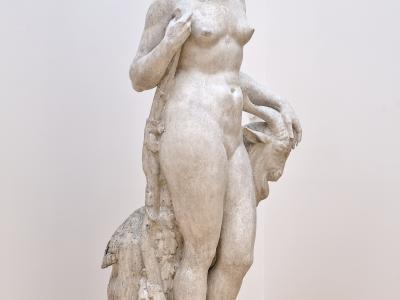
Musée d'Art Roger-Quilliot
17th-century convent housing fine arts
Historic Architecture · Museums & Culture
Questions people ask
Quick Facts
Best Time to Visit
Late June to early September offers warm weather and ideal conditions for outdoor activities and sightseeing.