







- Admission
- Free first weekend of each month
- Hours
- Tue-Fri 9:30am-12:30pm, 1:30pm-6pm; Weekends 11am-6pm (no lunch break); Free first weekend...
- Where
- Caen, Normandy
- Directions
- Directions
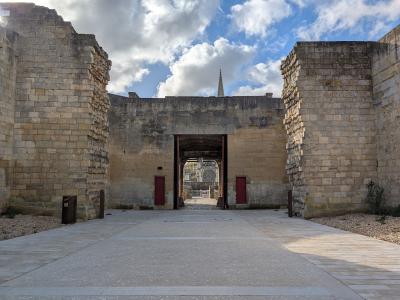
The Musée de Normandie is housed inside the Château de Caen, the great fortress that stands on a rocky hill at the centre of the city, and it is the best place to understand the history of the region as a whole. The castle was begun around 1060 by William the Conqueror, Duke of Normandy, who became king of England after the Battle of Hastings in 1066, and it was enlarged by his son Henry I and later rulers. Its walls enclose a very large area of about five hectares, making it one of the biggest medieval castle enclosures in Europe, and the ramparts offer views across the city and its churches. Inside, the buildings include a keep, a chapel, a great hall and a seventeenth-century governor's lodge, which hosts the museum.
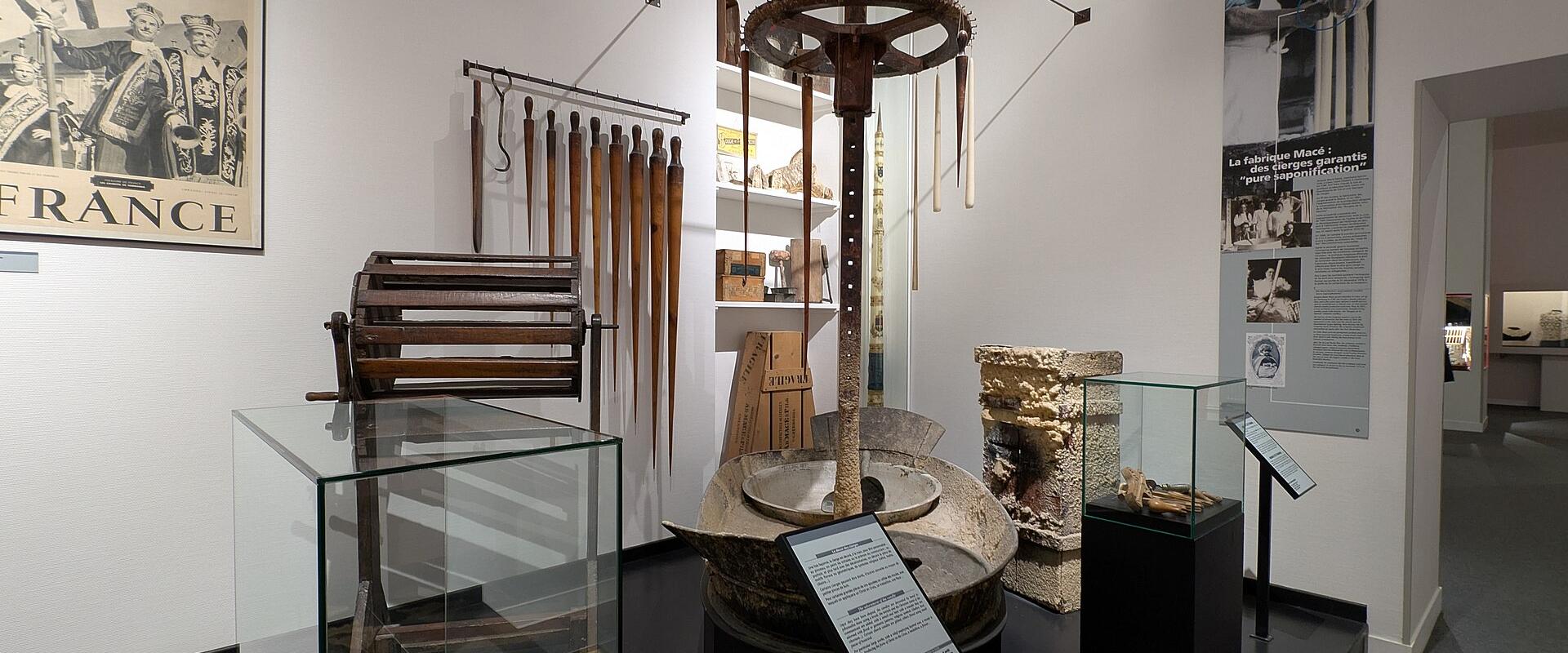
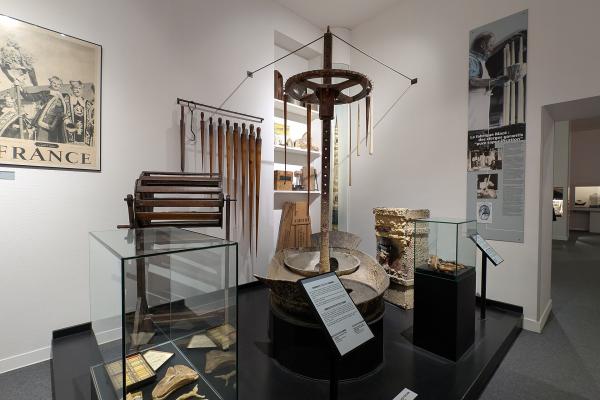
The museum's collections follow Norman history and society from prehistory to the present. The archaeological rooms show tools, pottery and ornaments from the earliest settlers, followed by finds from the Gallo-Roman and early medieval periods, including the Viking raids and the settlement of the Norsemen who gave the province its name. The medieval section shows the age of William and the dukes, when Normandy was one of the strongest states in Europe, and later rooms deal with the Hundred Years War, the Renaissance and the revolutionary period. The ethnographic collection preserves the traditional life of Normandy, with furniture, costumes, tools, lace and objects of daily life, showing how farmers, fishermen and craftsmen lived.
The museum also mounts temporary exhibitions in the rooms of the rampart, which can vary from historical subjects to photography and contemporary themes, and it offers workshops and guided tours, some of them free on set days. A mobile app provides extra information. The experience is easy to combine with a walk around the castle walls and gardens, which are free and open to everyone, and the views over Caen are a highlight.
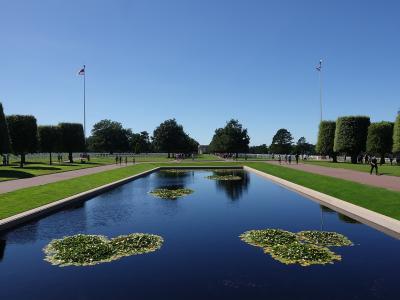
Caen was heavily bombed in the summer of 1944 during the Battle of Normandy, and much of the old town was destroyed, but the castle and the two great abbeys founded by William and his wife Matilda survived. The Abbaye aux Hommes, where William is buried, and the Abbaye aux Dames, founded by Matilda, are important Romanesque monuments, and the Place Saint-Pierre and the Rue du Geôle give a sense of the old streets. The Mémorial de Caen, an important museum of peace and the war, lies a short distance away, and the Normandy landing beaches and the Normandy American Cemetery can be reached by car or tour.
The museum suits history lovers, families and anyone interested in the story of the Normans. Allow about two hours. Check opening times and ticket information before you go.
Categories
More photos coming soon
Hours & Fees
- Open
- Tue-Fri 9:30am-12:30pm, 1:30pm-6pm; Weekends 11am-6pm (no lunch break); Free first weekend of each
- Admission
- Free first weekend of each month
Hours and prices change, especially out of season. Check with the venue before you go.
Nearby Attractions
Other places to visit in Caen

Memorial de Caen
Europe's largest 20th-century history museum
Guided Tours · History Museums
Château de Caen
11th-century castle housing two major museums
Free Castles · Guided Tours
Normandy American Cemetery and Memorial
Cliffside WWII cemetery overlooking Omaha Beach
Free Cliffs · Heritage Trails
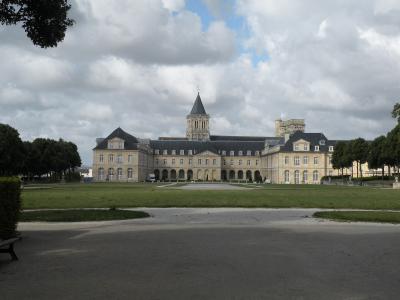
Abbaye aux Dames
11th-century Benedictine abbey founded by William the Con...
From €3 Historic Architecture · Museums & Culture
Questions people ask
Quick Facts
Best Time to Visit
Late June to early September offers warm weather and ideal conditions for outdoor activities and sightseeing.