







- Hours
- Daily 7:30 AM to 9:00 PM
- Where
- Dijon, Burgundy
- Directions
- Directions
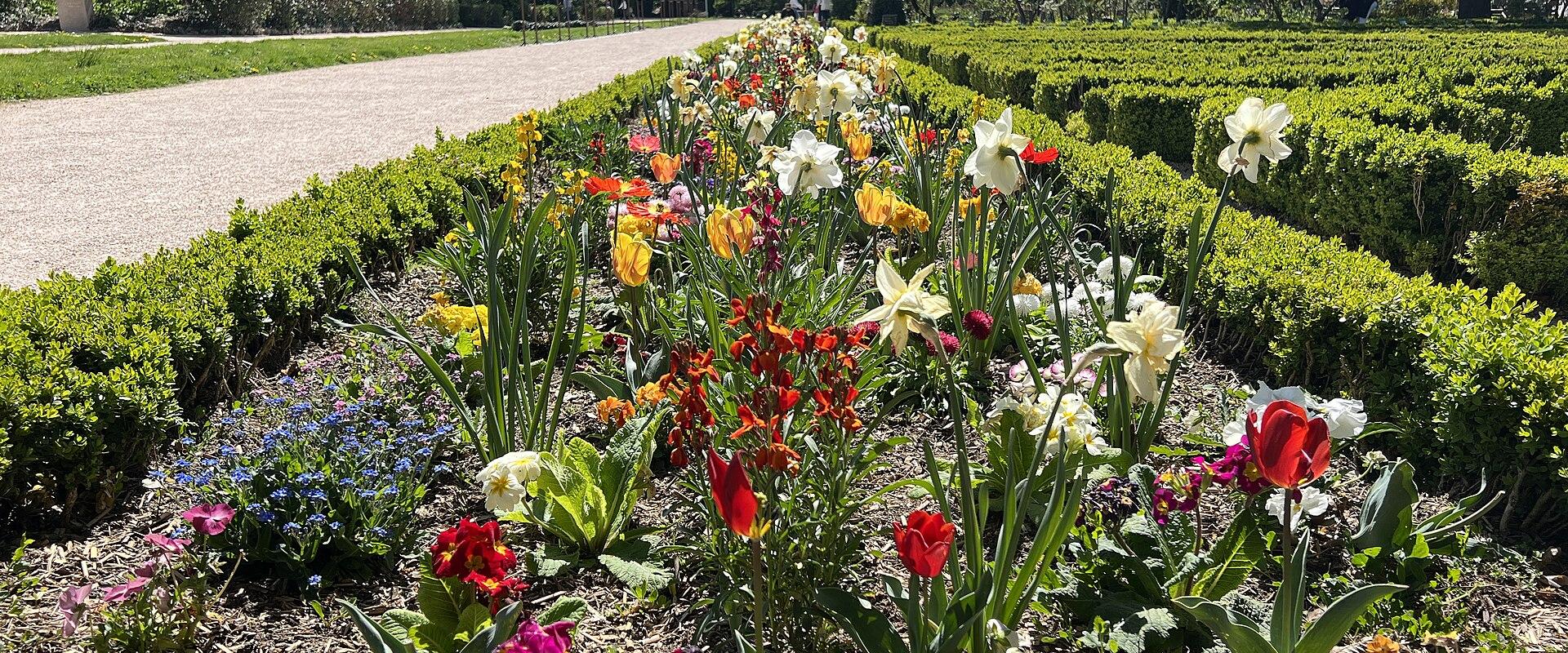
The Parc de l'Arquebuse is the main green space in the centre of Dijon, a park of about five hectares next to the railway station and a short walk from the old town. It combines a botanical garden, a natural history museum and a planetarium in one site, so it works as a place for a stroll, a museum visit and a lesson in science. It has a leafy, calm atmosphere in the middle of the city, and it is popular with students, families and office workers who come for lunch on the benches.
The name recalls the garden's origins. In the sixteenth century, the site was assigned to the company of the Arquebusiers, a civic militia of Dijon who practised shooting with the arquebus, an early firearm. They built a ground and a training hall, and the arcaded building that stands at the entrance dates from the nineteenth century and still bears the memory of the company. In the eighteenth century, the grounds became a botanical garden for the study of plants, and it was later developed as a public park with an English-style layout, with winding paths, ponds, lawns and shaded areas.
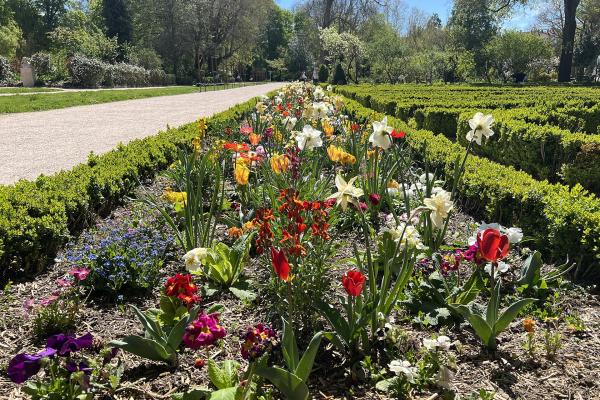
The garden includes flower beds edged with boxwood, decorative pools, a rose garden with old varieties and a collection of trees, including many that are old and tall. Several thousand plant species are cultivated, from native Burgundy flora to Mediterranean and subtropical plants, arranged in themed areas to show different habitats and uses, and labels help visitors identify them. The garden is a good place to learn about plants of the region and to see how a botanical collection is organised. Paths are flat and easy, which makes the park accessible to most people, and it is open from early morning until evening.
The Muséum d'histoire naturelle, installed in the building at the entrance, presents the natural history of Burgundy and the world, with displays on biodiversity, fossils and animal specimens, in a museum designed to be interactive and suitable for families. Beside it stands the Hubert Curien Planetarium, named after a French physicist, where shows and exhibitions introduce astronomy. These facilities make the park a good choice for a rainy day, and school groups often visit.
Dijon has many other attractions within walking distance. The Palais des Ducs de Bourgogne and the Musée des Beaux-Arts, the Cathedral of Saint-Bénigne and the Rue de la Liberté, the pedestrian shopping street, are close, and the covered market, the Halles, is a good stop for food. Dijon is also known for its mustard, its gingerbread and its wines. The park suits families, plant lovers and anyone who wants a quiet break from sightseeing, and a visit takes an hour or two. Entry to the grounds is free, though the museum and planetarium may charge.
Categories
More photos coming soon
Opening Hours
- Open
- Daily 7:30 AM to 9:00 PM
Hours and prices change, especially out of season. Check with the venue before you go.
Nearby Attractions
Other places to visit in Dijon
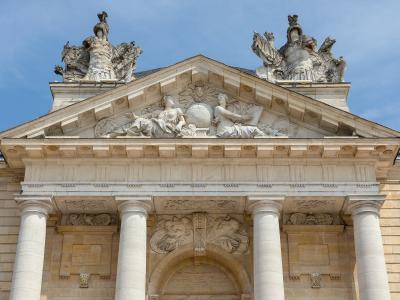
Palais des Ducs de Bourgogne et des États de Bourgogne
14th-century ducal palace housing Dijon's City Hall
History Museums · Palaces
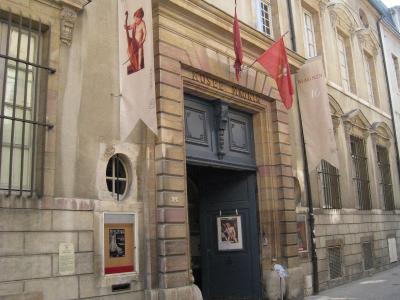
Musée Magnin
17th-century Dijon mansion housing 16th–19th century art
Free Museums & Culture
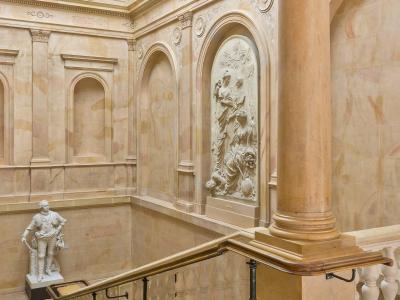
Musée des Beaux-Arts de Dijon
France's oldest museum in the historic Palace of the Duke...
Free Historic Architecture · Museums & Culture
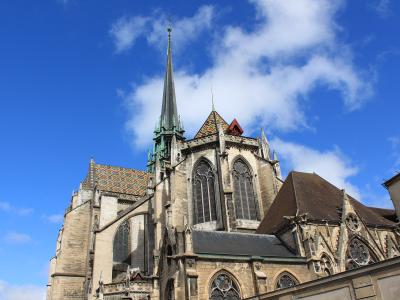
Église Saint-Bénigne
Gothic cathedral with mystical stained glass
Free Architectural Landmarks · Churches
Questions people ask
Quick Facts
Best Time to Visit
Mid-June to early September offers warm weather and ideal conditions for outdoor activities and wine tasting.