







- Where
- Caen, Normandy
- Directions
- Directions
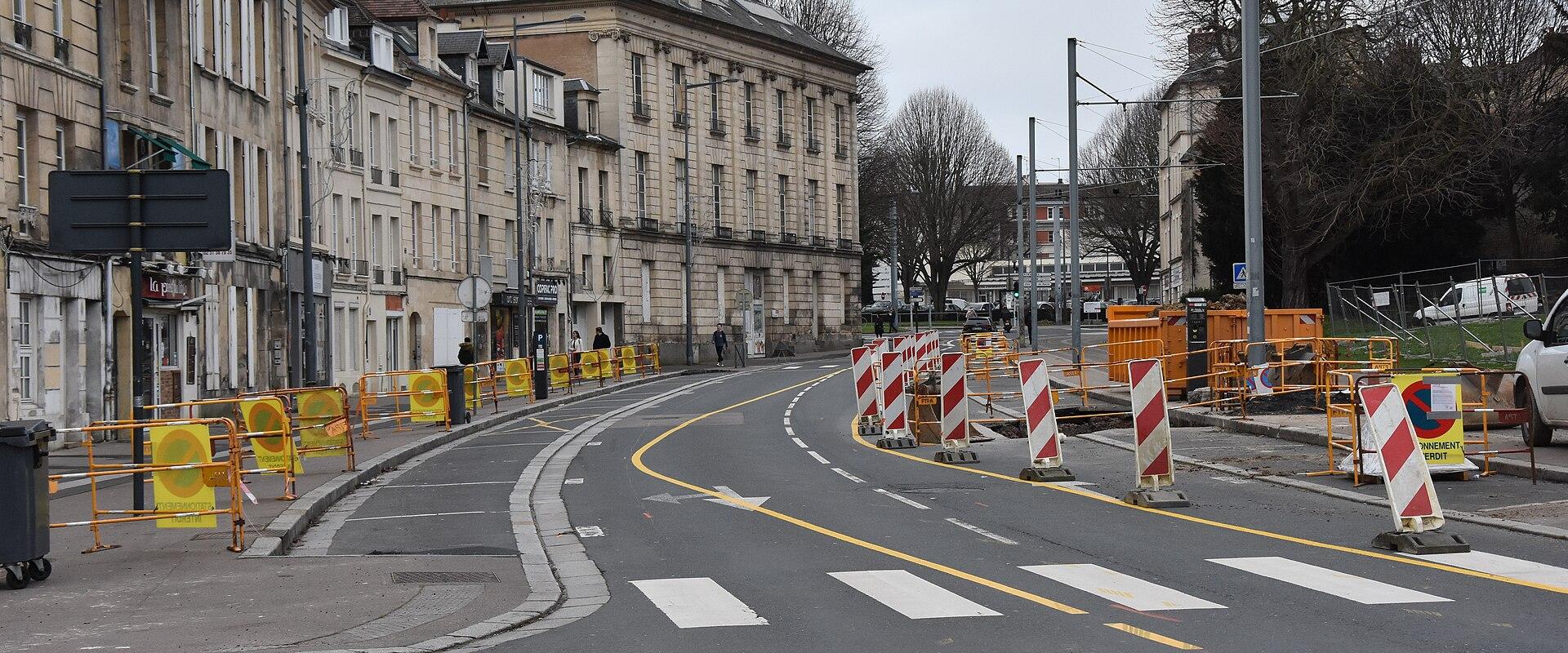
The Rue de Geôle runs through the old quarter of Caen below the castle, a short, narrow lane whose name recalls the prison, the geôle, that once stood nearby. It belongs to the Vaugueux, the district at the foot of the Château de Caen, where winding streets, steep lanes and old houses survived the destruction of the Second World War better than most of the city. Walking here gives a sense of the town William the Conqueror knew, though most of what you see dates from the sixteenth and seventeenth centuries.
Caen was devastated in the summer of 1944, when the Battle of Normandy turned the city into a battlefield. Allied bombing and weeks of fighting destroyed much of the centre, and large parts of the old town were rebuilt in the following years in pale local stone, the Caen stone that built the cathedral of Canterbury and the Tower of London. The Vaugueux, a smaller and more intricate quarter, was damaged but preserved enough of its original fabric to be restored in recent decades, and today it has a village atmosphere, with cobbled lanes, restaurants and small shops.
The best-known building on the street is the Maison des Quatrans, a house of the sixteenth century in half-timber and stone, with carved wooden beams, sculpted decoration and mullioned windows. It is one of the few timber-framed buildings to survive in the city, and its decorated facade shows the taste and wealth of the merchants who lived in Caen during the Renaissance. The upper storeys overhang the street, and the carved figures and ornaments show the skill of the carpenters of the time. Other houses in the neighbourhood, with their stone fronts and steep roofs, add to the effect.
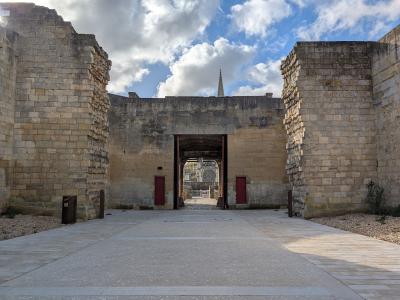
The setting is atmospheric in the evening, when restaurants and bars fill the lanes with light and conversation, and the quarter is one of the places where students and residents go out. Normandy dishes such as tripes à la mode de Caen, a local speciality, can be tasted in restaurants nearby, along with seafood, cider and Calvados. The Château de Caen, a vast fortress begun by William the Conqueror, lies at the top of the hill, and its ramparts give views over the city and the surrounding plain. The Musée de Normandie is housed within its walls, and the Église Saint-Pierre, with its tall Gothic tower and Renaissance apse, stands in the Place Saint-Pierre at the foot of the hill.
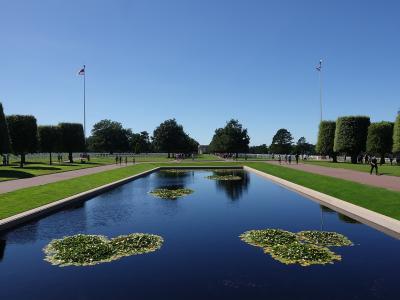
Caen has many other sights within reach. The Abbaye aux Hommes and the Abbaye aux Dames, founded by William and his wife, stand at opposite ends of the old town, and the Mémorial de Caen, a museum about the war and peace, lies to the north. The landing beaches and the Normandy American Cemetery are within an hour's drive. The street is a short stroll and can be covered in a few minutes, but it is a good place to linger, and the quarter around it rewards a longer walk. It suits couples, history enthusiasts and diners, and the evenings are livelier than the daytime.
Categories
More photos coming soon
Nearby Attractions
Other places to visit in Caen

Memorial de Caen
Europe's largest 20th-century history museum
Guided Tours · History Museums
Château de Caen
11th-century castle housing two major museums
Free Castles · Guided Tours
Normandy American Cemetery and Memorial
Cliffside WWII cemetery overlooking Omaha Beach
Free Cliffs · Heritage Trails
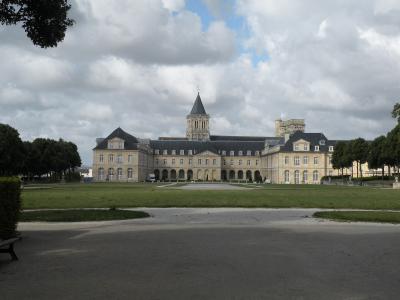
Abbaye aux Dames
11th-century Benedictine abbey founded by William the Con...
From €3 Historic Architecture · Museums & Culture
Questions people ask
Quick Facts
Best Time to Visit
Late June to early September offers warm weather and ideal conditions for outdoor activities and sightseeing.