

Awakening the Maquis: A Botanical Awakening
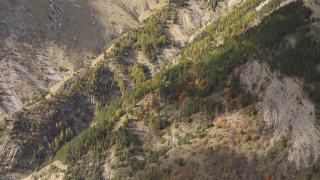
Spring in Corsica is not merely a season; it is a sudden, violent explosion of life. As winter’s grip loosens, the island’s hillsides undergo a dramatic metamorphosis. Near Ajaccio, the landscape shifts from dormant grey to a dense, aromatic carpet of wildflowers. This rapid transformation highlights one of the island’s most striking features: its high rate of botanical endemism. Over 20% of Corsica’s plant species exist nowhere else on Earth, and few places showcase this rarity as vividly as the coastal maquis.
Species like the Corsican lilac (Lilacius corsicus) define this niche, their pale blooms clinging to rocky outcrops where few other plants survive. The air itself changes texture, hanging heavy with the resinous scent of thyme and rosemary, intensified by the warming sun. While the summer heat soon parches the vegetation, leaving behind brittle husks, the window for witnessing this full floral awakening is brief but breathtaking.
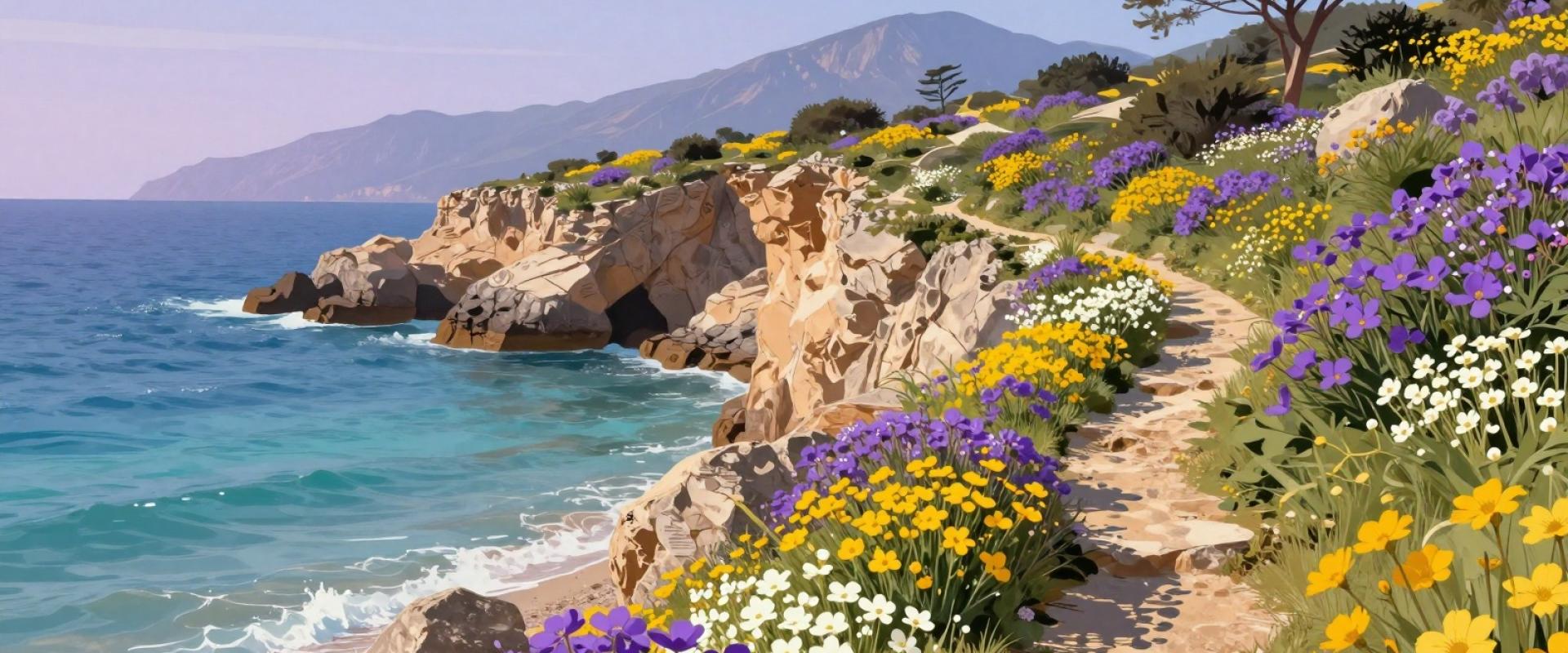
For the hiker, timing is everything. The optimal period stretches from late March to mid-May. During these weeks, the maquis transforms into a living tapestry of purple, yellow, and white. Visual diversity here contrasts sharply with the rugged, ancient granite terrain. Such ecological richness is rare in Mediterranean climates, offering an immersive study in natural adaptation rather than just a scenic backdrop. Your journey becomes more than simple exercise; it is an engagement with a fragile, thriving ecosystem. To truly capture this moment, one must move slowly, allowing the senses to absorb the interplay of scent and sight.
While the legendary GR20 demands high-altitude endurance, the lower elevations near Ajaccio offer a different kind of challenge—one of sensory immersion rather than physical conquest. Here, you can explore accessible wildflower trails that wind through the granite spires of the Aiguilles de Bavella or along the coast. These routes feature manageable gradients, allowing for a relaxed pace where you can truly appreciate the local flora without the exhaustion of high-mountain trekking.
The Sentier des Douaniers, or Customs Officers’ Path, serves as an excellent example of this gentle exploration. It merges stunning maritime vistas with rich terrestrial biodiversity, creating a unique corridor where sea air meets earthy scent. As you wander these paths, the distinction between the rugged mountains and the gentle coast blurs. Bring a regional field guide to help identify specific species, such as the distinctive Corsican holly or the fragrant herbs that scent the air. Footwear matters significantly; opt for agile trail runners rather than heavy boots to ensure stability on uneven, root-tangled terrain.
Protecting this fragile ecosystem requires strict adherence to marked trails. Erosion is a constant threat, and trampling can destroy delicate root systems that have taken decades to establish. Be mindful of the microclimate, as spring heat can escalate quickly in sheltered valleys. Thoughtful preparation ensures you honor this natural heritage while safely enjoying the seasonal blooms. By choosing these accessible routes, you prioritize observation over endurance, allowing the landscape to reveal its secrets at its own pace.
Beyond the Path: Villages and Coastal Retreats
After hours of navigating rocky trails, the descent into coastal villages like Piantarella offers a profound sense of relief. Here, the air smells of wild thyme and sea salt, a stark contrast to the dry scrubland of the interior. This seaside village provides a necessary pause, allowing weary legs to recover while the body is rewarded with the immediate pleasures of local cuisine. Instead of rushing back to the trailhead, linger over a meal of fresh catch at a seaside trattoria. The combination of local spring ingredients and cool Mediterranean breezes makes the steep climb feel entirely worthwhile.
Planning your days around this rhythm prevents burnout and deepens your connection to the island. Swap generic trekking gear for ankle-supporting trail runners that handle rocky terrain with grace, but remember that the journey extends beyond the physical act of hiking. Always pack ample water, but recognize that hydration is only half the battle; respecting local regulations in protected reserves is equally crucial. The rare flora and fauna here thrive because visitors follow these simple, necessary rules.
This deliberate pacing transforms a strenuous hike into a holistic sensory experience. You’ll notice how the cool ocean air revitalizes your body after hours under the hot sun. Village life moves at a slower tempo, offering a quiet counterpoint to the intensity of the trail. By blending physical exertion with culinary discovery and coastal relaxation, you create a sustainable journey. The result is a trip that engages every sense, leaving you refreshed rather than exhausted. The contrast between the arid scrubland and the cool ocean air revitalizes the body, ensuring that the memory of the hike is as pleasant as the destination.
Your Spring Hiking Checklist
Spring’s arrival in Corsica turns lower elevations into a living kaleidoscope, particularly within the protected zones near Ajaccio. However, the mountain environment is unpredictable. The air shifts quickly, so layering is non-negotiable. A lightweight rain jacket should be accessible even on sunny mornings, as coastal fog can roll in unexpectedly.
Pack two liters of water per person and fuel up with dense energy sources like almonds or dried figs. Binoculars prove essential for spotting birds hidden in the thick maquis shrubland, adding an auditory dimension to your visual feast. Navigate tricky routes by hiring a local guide who knows the terrain intimately, especially if you plan to venture off the main trails. Stay strictly on marked paths to honor leave-no-trace principles and protect fragile ecosystems.
Pro-Tip: Verify trail status on the Parc Naturel Régional de Corse website before you step out. Weather conditions can close paths without warning, and checking local updates ensures your safety.