

Echoes of Bibracte: A Historical Prologue
What remains when an empire falls? At Mont-Beuvray, the answer is stone. This rugged peak anchors the Morvan Regional Natural Park, a conservation zone established in 1970 to shield biodiversity and cultural heritage from modern encroachment. Here, the archaeological heart of Bibracte lies exposed, where Gaulish history intersects with contemporary stewardship. The park does not merely display the past; it actively protects it.
While Touraine often dominates travel narratives with its gilded châteaux, the Morvan offers a quieter, deeper narrative. It is a landscape where history is not a static exhibit but a living, breathing entity. The Maison du Parc serves as the gateway to this balance, explaining how fragile ecosystems, including the elusive Eurasian otter, are monitored alongside ancient dry-stone walls. These efforts reflect a profound commitment to patrimoine that transcends mere tourism. Three Natura 2000 sites underscore this ecological vigilance, ensuring that the land’s soul survives for future generations. You are not just visiting a region; you are witnessing a dialogue between antiquity and preservation.
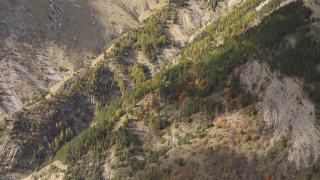
Since its inception, the Morvan Regional Natural Park has served as Burgundy’s wild heart, offering a stark contrast to the region’s famous vineyards. To traverse this landscape is to enter an emerald labyrinth. Ancient paths wind through three designated Natura 2000 zones, where the air grows thick with the scent of pine resin and damp earth. These trails invite slow, deliberate exploration, far removed from the hurried pace of typical sightseeing.
The terrain itself tells a story of human resilience. Dry-stone walls, constructed by hands long since returned to dust, still stitch together the hillsides. They mark centuries of traditional agricultural practice, supporting a vibrant ecosystem where endangered species thrive under rigorous protection. For those seeking a different perspective, the park’s pristine lakes offer a serene counterpoint to the forest trails. Kayaking across the glassy water provides an eye-level view of the biodiverse surroundings, revealing the intricate interplay between local flora and fauna.
At the Maison du Parc, visitors can dive deeper into this world through educational programs that explain the delicate balance required to sustain these environments. The park’s charter successfully balances economic development with environmental protection, creating a sustainable model that allows you to witness ongoing conservation efforts firsthand. Every step on the well-marked trails connects you to this enduring spirit. The air is crisp, filled with the promise of discovery. It is a place where silence speaks volumes.
Whispers in the Stone: Medieval Villages and Agrarian Traditions
How does one keep the spirit of a place alive when modernity presses in? The answer lies in the Morvan’s ability to weave biodiversity into the fabric of daily farm life. Here, the landscape is defined by its patrimoine, where dry-stone walls stand as enduring proofs of ancient craft rather than mere property lines. This preservation effort runs parallel to serious ecological work; the park actively protects endangered species like the Eurasian otter, ensuring that ecological awareness and agrarian heritage coexist without friction.
At Mont-Beuvray, the archaeological site of Bibracte grounds the region in deep history, yet this past feels far from static. The park’s charter supports local communities economically and culturally, proving that history is a living practice maintained by those who still tend the land. The Autun Natural History Society contributes valuable local knowledge, bridging the gap between scientific monitoring and community engagement.
Walking these paths reveals a continuous dialogue between human tradition and the natural world. The stones seem to speak if you listen closely to the quiet rhythms of rural life. To walk these paths is to witness a continuous dialogue between human tradition and the natural world. The stone speaks, if one only listens closely enough to the quiet rhythms of rural life. This duality creates an environment where ecological awareness and agrarian heritage intersect seamlessly. The Maison du Parc further bridges this gap by educating visitors on the delicate balance between tourism and conservation. In this region, history is not a static exhibit; it is a living practice maintained by those who tend the land.
A Souvenir of Soul: Reflecting on Burgundian Heritage
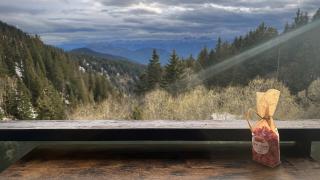
The stones of Bibracte hold more than just weight; they breathe with the quiet persistence of history. Walking these grounds feels less like a tour and more like stepping into a living archive where antiquity meets the earth. Beyond the ancient ruins, the Morvan Regional Natural Park offers a different kind of depth. Established in 1970, this landscape protects not only scenic beauty but also the intricate savoir-faire of its people. Dry-stone walls, built without mortar, trace the contours of hillsides, echoing centuries of careful labor and local resilience.
To truly grasp this balance, a visit to the Maison du Parc is essential. Here, visitors learn how fragile ecosystems are managed alongside biodiversity initiatives that protect species like the Eurasian otter. This dialogue between preservation and past understanding reshapes perspective. True travel honors both memory and nature. It demands active stewardship rather than passive observation. By engaging with local efforts, you help sustain the rhythm of the land for generations to come.