The Loire à Vélo in Brief
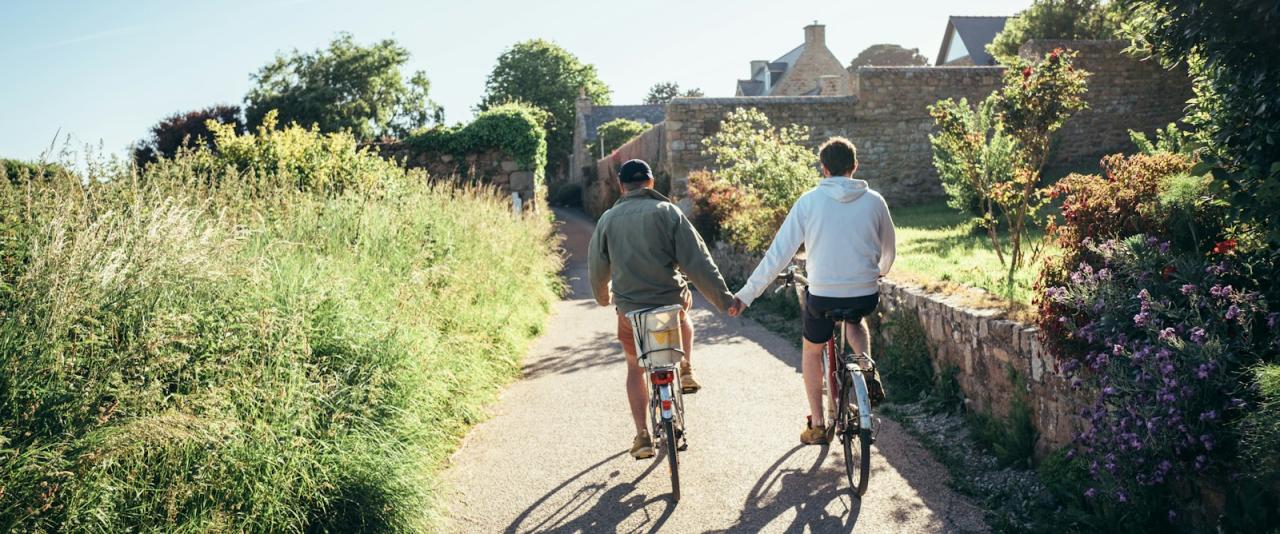
The Loire à Vélo is a signposted cycle route that follows the Loire through central and western France, from Cuffy in the Cher department to Saint-Brevin-les-Pins on the Atlantic coast, about 800 km in total. It crosses six departments and forms part of EuroVelo 6, the long-distance route that runs from the Atlantic to the Black Sea. Much of the route follows the riverbanks and the levees built to contain the Loire, with the rest on greenways, quiet lanes and cycle paths. The route is rated easy, and the landscape is mostly flat.
That combination makes it one of the best long-distance routes in France for families. The central section passes many of the Loire châteaux, part of the Loire Valley between Sully-sur-Loire and Chalonnes-sur-Loire that UNESCO inscribed as a World Heritage Site in 2000.
Choosing Family-Friendly Stretches
Not every section is equally suitable for young riders. Look for stretches on dedicated paths, with towns close together so that you can shorten the day if needed. Good options include:
- Around Blois and Chambord: a network of signposted loops links Blois with the Château de Chambord and other châteaux through forest and farmland, largely away from main roads.
- Tours to Villandry: the route out of Tours follows the Cher towards the Château de Villandry and its famous gardens, a manageable distance for a day with a visit.
- Amboise to Chaumont-sur-Loire: a stretch along the river between two châteaux, with the Château de Chaumont's annual garden festival as a destination in summer.
- Around Saumur: the area between Saumur and Montsoreau passes troglodyte dwellings dug into the soft tufa stone, which children often enjoy exploring.
Some parts of the route share quiet roads with cars, and a few towns have busier crossings. Check the route maps on the official Loire à Vélo website before choosing a section, and ride on dedicated paths where possible with younger children.
How Far to Ride Each Day
Families with children riding their own bikes often find 20 to 30 km a day a comfortable target, with time for a château visit, a swim or a picnic. Older, experienced children can manage more, while families using child seats or trailers may cover longer distances but should plan for regular stops. Building in a rest day, or a day spent visiting a château rather than riding, makes a multi-day trip more enjoyable.
Bike Hire and Luggage
Bike hire is widely available in the main towns along the route, including children's bikes, child seats, trailers and tag-along bikes. Several hire companies allow one-way rentals, so you can pick up a bike in one town and drop it off further along the river. Some also offer luggage transfers between accommodation, which removes the need to carry panniers. Book in advance for July and August.
Accommodation, campsites, cafés and bike shops displaying the Accueil Vélo label are committed to welcoming cyclists, with secure bike storage and information on routes and repairs. They are a useful filter when booking.
Trains and Getting There
The Loire valley is well served by regional trains, which makes it easy to start or finish a section, or to skip one. Regional TER trains on the line along the Loire generally accept bikes, although space can be limited in summer. From Paris, trains reach Orléans, Blois and Tours (or the high-speed station at Saint-Pierre-des-Corps) in about one to two hours, and Saumur and Angers further west. Check bike rules for your specific train before you travel, as high-speed trains require a booked bike space.
Safety Rules and Practical Tips
- Helmets: in France, helmets are compulsory for children under 12 riding a bike or travelling as a passenger on one.
- Visibility: reflective clothing and lights are required outside towns at night and in poor visibility.
- Sun and water: many levee sections have little shade. Carry plenty of water, sunscreen and hats.
- Opening hours: in small villages, shops and cafés may close at lunchtime and on Sunday afternoons and Mondays. Plan picnic supplies in larger towns.
- Signage: the route is marked with green and white signs. A map or the official route app is still useful at junctions and in towns.
When to Go
May, June and September offer warm weather with fewer crowds than July and August, when accommodation fills up and the riverbanks are busiest. Spring brings fresh green landscapes and longer evenings, and early autumn adds the grape harvest in the vineyards around Saumur, Vouvray and Chinon. Some smaller campsites and bike hire outlets operate only from spring to autumn, so check opening dates if you plan to ride early or late in the year.