







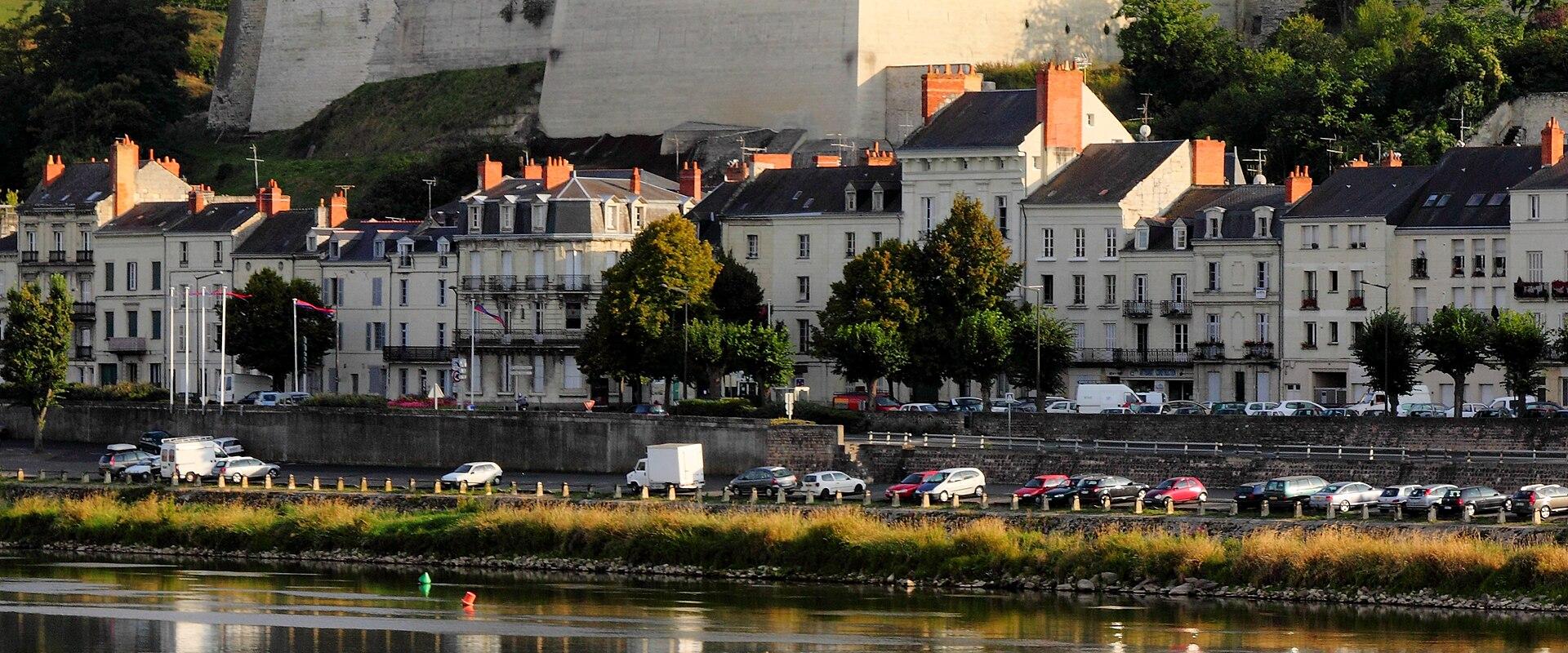
Saumur, situated in the Maine-et-Loire department of western France, is a town of significant historical and cultural importance. Located on the banks of the Loire River, it has been a strategic stronghold since the Middle Ages. The town's most iconic landmark is the Château de Saumur, a fortress with origins in the 10th century and expanded over the centuries into the Gothic castle-palace seen today. The castle dominates the skyline and has long housed collections connected with the horse, including the Musée du Cheval (in English, the National Museum of the Horse), which celebrates the town's deep connection to equestrian culture. Saumur is home to the Cadre Noir, the French National School of Riding, which trains elite horsemen and gives performances, and the Carrousel de Saumur shows in July are well known to horse lovers. The town's history is also marked by its role in the Wars of Religion, as a Protestant academy town, and by the heroic resistance of its cavalry cadets in June 1940, during World War II, commemorated by various monuments and museums.
Beyond the castle, Saumur is famous for its troglodytic caves, carved into the tuffeau limestone cliffs. These caves, such as the Caves de Saumur and the Caves de Brezé, were used for wine storage, mushroom growing and even as shelters during wars. The Caves de Brezé, in the Château de Brézé about ten kilometres south of the town, form what is often called the largest underground fortress complex in Europe, offering a glimpse into the subterranean history of the region. The Loire Valley experience is shaped by such places. The old town features narrow streets, half-timbered houses and the Église Saint-Pierre, a Gothic church with a distinctive bell tower, while the Place du Château in front of the castle is a good starting point. The town also boasts the Musée du Tonneau, listed as dedicated to the history of cooperage, and the Musée des Beaux-Arts, which houses a collection of paintings and sculptures. The Pont de Saumur, also called the Pont Cessart, leads across the Loire toward the island, and the Théâtre Le Dôme is the main cultural venue.
Saumur is a hub for wine tourism, with numerous cellars and tasting rooms offering samples of local wines, including Saumur-Champigny reds and Crémant de Loire sparklings. The surrounding Anjou region is dotted with vineyards and châteaux, such as Château de Brézé and a château listed as Château de Puy-Bréhéret, which are easily accessible from the town. The Loire River provides opportunities for boat trips, canoeing and cycling along the riverbanks, on the Loire à Vélo route. The town also hosts various festivals throughout the year, including the Saumur Horse Show, which attracts equestrian enthusiasts from around the world. The Marché de Saumur, held in the town centre on Saturdays, sells fresh produce, cheese and regional products. The local cuisine features regional specialities, including foie gras, melons, mushrooms and goat cheeses, and the town is known for its small mushroom-based dishes.
Getting to Saumur is convenient via train, with regular services from Paris and other major cities in the region. The train station is located close to the town centre, a short walk across the Loire from the old town. For those traveling by car, Saumur is connected by the A85 motorway. The best time to visit is from May to June and September to October, when the weather is mild and pleasant, ideal for exploring the vineyards and historic sites. July and August are warm and busy, suitable for those who enjoy summer activities but may encounter larger crowds. Spring and autumn offer milder weather and fewer crowds, making them suitable for sightseeing and wine tasting. Winter is cooler and quieter, offering a serene atmosphere for indoor museum visits.
Best time to visit
May to June and September to October offer mild weather and fewer crowds for optimal exploration.
What to see in Saumur
Our picks first.
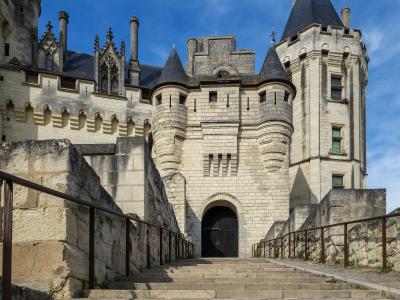
Caves de Saumur
Historic troglodyte network in Saumur, France
Food & Wine
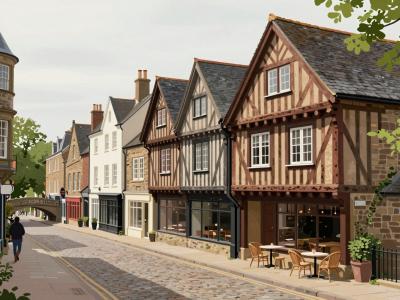
Vieux Saumur (Old Town)
14th-century ducal castle in historic old town
City Centers · Heritage Trails
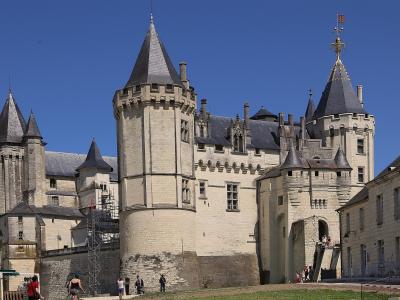
Musée du Cheval
National Equestrian Museum in Saumur's Château
From €6.50 Historic Architecture · Museums & Culture
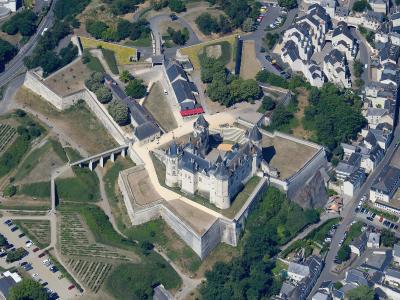
Château de Saumur
Gothic castle-museum with panoramic Loire views
From €7 Castles · History Museums
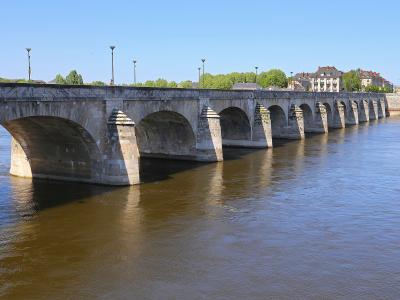
Pont de Saumur
Stone bridge over the Loire in Saumur, France
Bridges
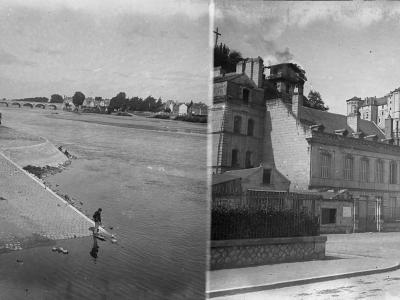
Place du Château
Gothic castle housing equestrian and decorative arts museums
Historic Architecture · Squares

Théâtre de Saumur
Gothic castle-palace housing a municipal museum
Museums & Culture
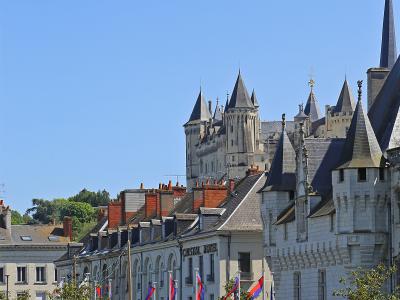
Marché de Saumur
Weekly produce market in Saumur's historic center
Free Markets
Saumur by interest
The same sights, grouped by what you came for.
Did you know?
Checked facts about Saumur, each with its source.
-
History
Saumur Is Shaped by a River
Saumur, located in the Maine-et-Loire department of the Pays de la Loire region, is a historic town on the banks of the Loire River.
Source: Saumur
Planning a visit to Saumur
Good to know
- Currency
- EUR
- Language
- French
Quick Facts
Book your stay
Questions people ask
More places in Pays de la Loire
Pays de la Loire
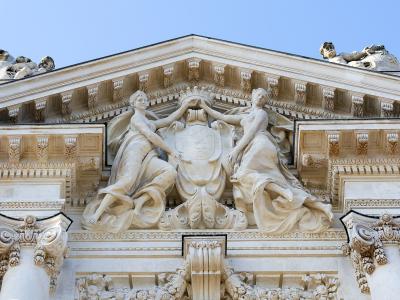
Nantes
Creative Loire city with mechanical elephants and history
Pays de la Loire
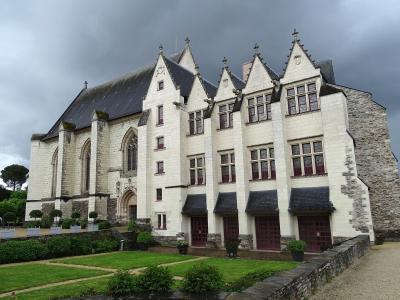
Angers
Historic Anjou capital with Apocalypse Tapestry and medieval castle
Pays de la Loire
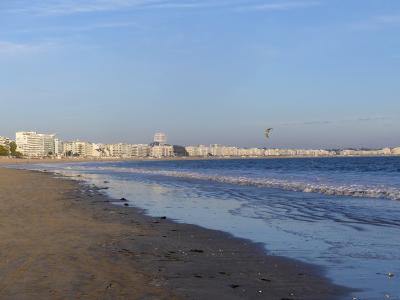
La Baule
Chic Atlantic resort with 8km sandy beach and Art Deco villas
Pays de la Loire
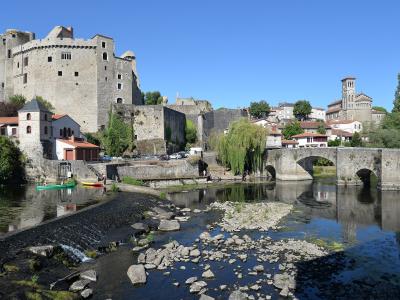
Clisson
Italianate river town of Muscadet country, rebuilt after the Vendée wars