Why Beaune
Beaune is a walled market town in the Côte-d'Or department, in the middle of the Côte de Beaune, the southern half of Burgundy's most famous wine slope. It has been the trading centre for Burgundy wine for centuries, and many négociant houses still have their cellars under the old town. In 2015 the Climats, the precisely delimited vineyard plots of the Côte de Nuits and Côte de Beaune, were inscribed on the UNESCO World Heritage List together with the historic centres of Beaune and Dijon.
The old town is small enough to cross on foot in fifteen minutes, which makes Beaune an easy base for both the town's sights and the wine villages around it.
The Hôtel-Dieu
The main sight is the Hôtel-Dieu, the hospital founded in 1443 by Nicolas Rolin, chancellor to the Duke of Burgundy, and his wife Guigone de Salins as a hospital for the poor. It received patients until 1971 and is now a museum. The courtyard is known for its roofs of glazed tiles in geometric patterns, and inside you can see the Great Hall of the Poor, with its curtained beds and painted beamed ceiling, the old kitchens and pharmacy. The museum's centrepiece is the Last Judgement altarpiece by Rogier van der Weyden, painted for the hospital in the 15th century. Allow about an hour and a half. Audio guides are available in several languages, and the building is busiest in late morning and on weekends, so arriving at opening time gives the calmest visit.
The Hospices de Beaune, the charitable institution behind the hospital, still owns vineyards and sells its wine at a famous charity auction each November.
Other Sights in Town
- Collégiale Notre-Dame: a Romanesque and Gothic church with a set of 15th-century tapestries on the life of the Virgin.
- The ramparts: much of the medieval wall and its bastions survive, and a path follows part of the circuit. Several bastions are used as wine cellars.
- Cité des Climats et vins de Bourgogne: opened in 2023, this centre explains Burgundy's vineyards, grape varieties and the Climats system. Beaune is one of three sites, with Chablis and Mâcon.
- The markets: Saturday morning is the main market day, around the covered market halls.
Tasting Wine in Beaune
Several large négociant houses in town offer cellar tours and tastings, usually with booking recommended. These are a good introduction because they cover many appellations in one place. Independent wine shops and wine bars also pour by the glass.
Visiting smaller family estates in the villages is different. Burgundy is a land of small family estates, often working just a few hectares spread over several appellations, and the person pouring is frequently the grower. Many domaines receive visitors only by appointment, some sell out every year and do not offer tastings at all, and visits are usually in French. Contact estates in advance, arrive on time, and buy a bottle if you have taken up a grower's time. Spitting is normal and expected, especially if you are driving.
The Villages Around Beaune
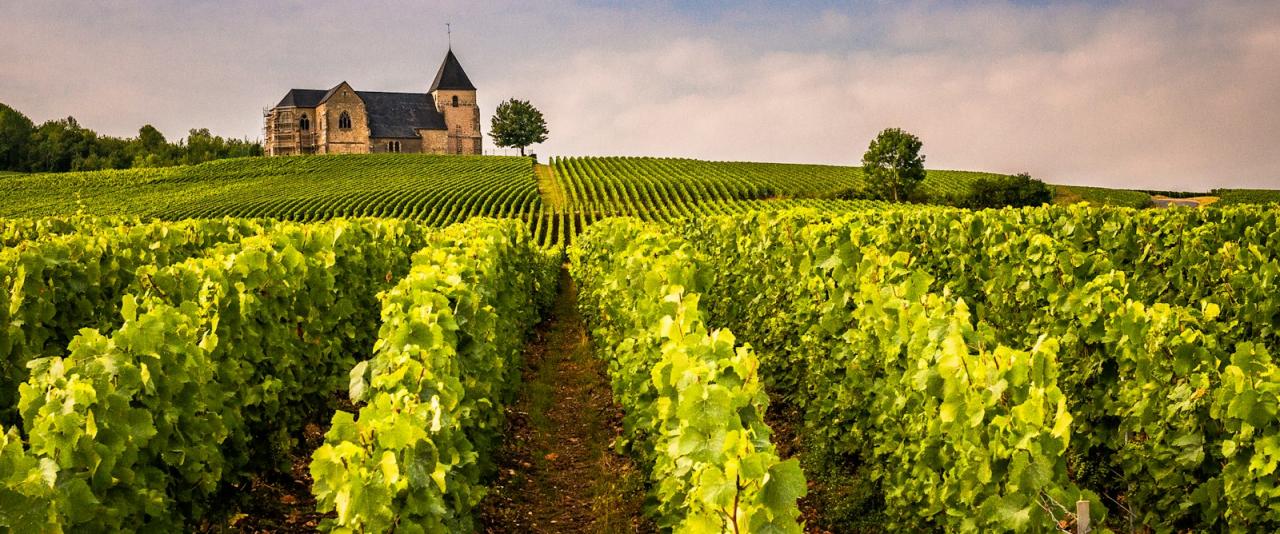
Within a short drive or bike ride lie some of the best-known names in white and red Burgundy. To the north, Aloxe-Corton sits below the hill of Corton. To the south, Pommard and Volnay are known for red wines, and Meursault, Puligny-Montrachet and Chassagne-Montrachet for whites. A cycle path, the Voie des Vignes, runs through the vineyards from Beaune towards Santenay and suits riders of most levels. Bikes and e-bikes can be hired in Beaune.
Getting There
Beaune is on the main line between Dijon and Lyon. Regional TER trains link Dijon and Beaune in around 20 to 25 minutes, and some high-speed trains from Paris stop in Beaune directly; otherwise change at Dijon. The station is a short walk from the old town. By car, Beaune sits near the junction of the A6 and A31 motorways.
When to Go
Spring and early autumn are pleasant for walking and cycling in the vineyards. The grape harvest usually takes place from late August to late September, depending on the year, and estates are busy and less able to receive visitors. The third weekend of November brings the Hospices de Beaune auction and large crowds, with accommodation booked well in advance. In winter the town is quieter, and some smaller businesses close for a few weeks.