The Main Types of Train
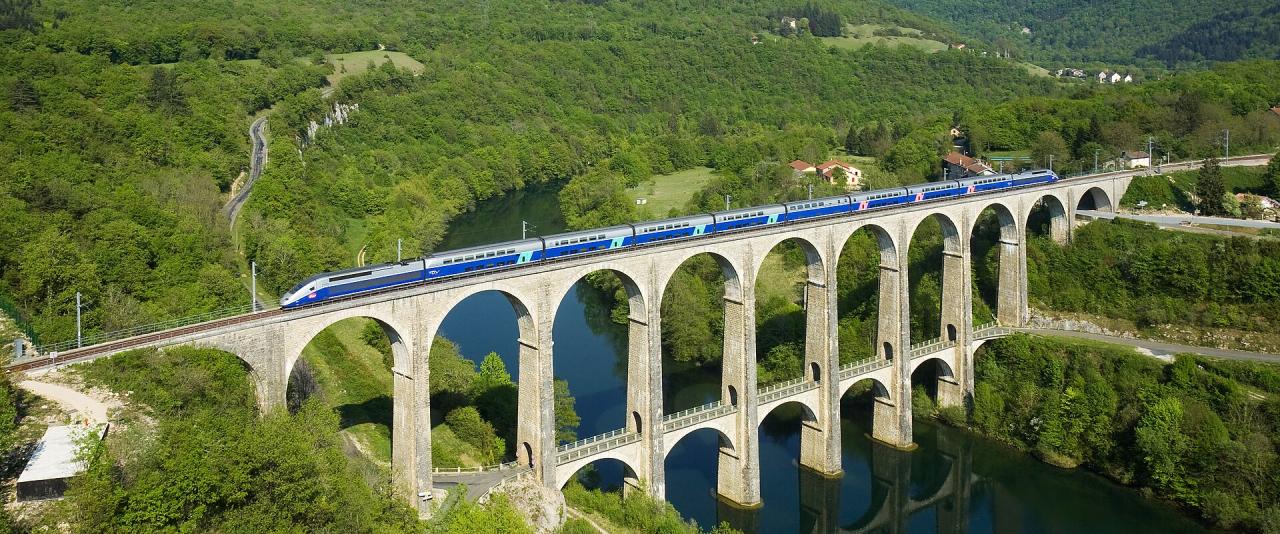
France has one of Europe's largest rail networks, built around a high-speed core radiating from Paris. Most services are run by SNCF Voyageurs, under several brands:
- TGV INOUI: the standard high-speed service, with first and second class and flexible fares on higher tickets.
- Ouigo: SNCF's low-cost high-speed brand. Fares can be very low, but luggage is limited, extras cost more and some trains use stations outside city centres, such as Marne-la-Vallée Chessy near Paris.
- TER: regional trains run under contract with each region, often under regional names such as Rémi in the Centre-Val de Loire or ZOU! in Provence-Alpes-Côte d'Azur. These are the trains for small towns, wine villages and coastal resorts.
- Intercités: long-distance classic trains on routes without high-speed lines, including night trains such as Paris to Briançon and Paris to Nice.
Competition has arrived on some routes. Italy's Trenitalia runs high-speed trains between Paris and Lyon,. Eurostar connects Paris with London, Brussels and Amsterdam.
Which Paris Station?
Paris has no single central station. Each main terminus serves a direction:
- Gare du Nord: Lille, Eurostar to London and Brussels.
- Gare de l'Est: Strasbourg, Reims, Champagne, and trains towards Germany.
- Gare de Lyon: Lyon, Dijon, the Alps, Provence and the Riviera.
- Gare Montparnasse: Brittany, Bordeaux and the Atlantic coast.
- Gare Saint-Lazare: Normandy.
- Gare d'Austerlitz: the Loire, central France and most night trains.
Check your ticket carefully: allow at least an hour to cross Paris between stations by metro or RER, more with luggage.
Journey Times Worth Knowing
High-speed lines make day trips realistic. Approximate fastest times from Paris are about two hours to Lyon, a little over two hours to Bordeaux, under two hours to Strasbourg, around an hour and a half to Rennes, and a little over three hours to Marseille. Regional connections can be slower and less frequent, especially on Sundays, so check timetables for rural stretches before planning a tight day.
Booking Tickets
Tickets for SNCF trains are sold through the SNCF Connect website and app, at station machines and at ticket counters in larger stations. Ouigo has its own site. Booking opens several months in advance and high-speed fares rise as trains fill, so book early for weekends, school holidays and summer routes to the coast.
All TGV INOUI and Ouigo trains require a seat reservation, which is included in the ticket. Regional TER tickets are not tied to a specific train on most routes and usually cost the same whether bought in advance or on the day. Frequent travellers can buy SNCF's Avantage discount cards, which give reduced fares for specific age groups; they pay off only if you make several long trips.
Rail Passes
Interrail (for European residents) and Eurail (for others) passes are valid on SNCF trains. On TGV and Intercités night trains you must also buy a seat reservation for a fee, and pass-holder quotas on popular trains can sell out. For short trips with a few long journeys, point-to-point tickets bought early are often cheaper than a pass. Ouigo does not accept rail passes.
On Board and at the Station
- Platforms are often announced only 20 minutes before departure on the main boards. Wait near the departure screens rather than at a platform.
- Ticket checks take place on board or at gates before boarding at large stations. Keep the QR code ready on your phone or printed.
- Luggage goes on racks at the end of each carriage or overhead. Label your bags.
- Bicycles: TER trains generally take bikes, sometimes with limited space in summer. On TGV INOUI a bike place must be booked, while folding bikes in a cover travel as luggage.
- Strikes: French rail strikes are usually announced in advance. If your trip falls on a strike day, check the app on the morning of travel and look at exchange or refund options.
Making the Most of the Network
Trains work best between cities and for towns with stations, such as Avignon, Beaune, Annecy, Colmar or Saint-Malo. For the Dordogne, the Luberon, rural Burgundy or the Corsican interior, the usual approach is a train to a regional hub and a rental car or local bus from there. Combining the two avoids long motorway days while keeping access to the countryside.