Belfort
Historic fortress city home to the Lion of Belfort
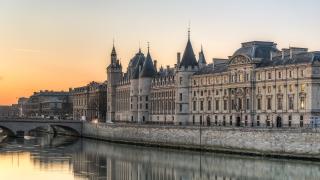
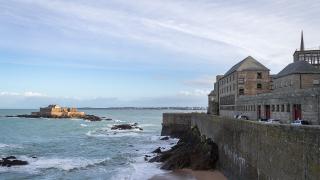
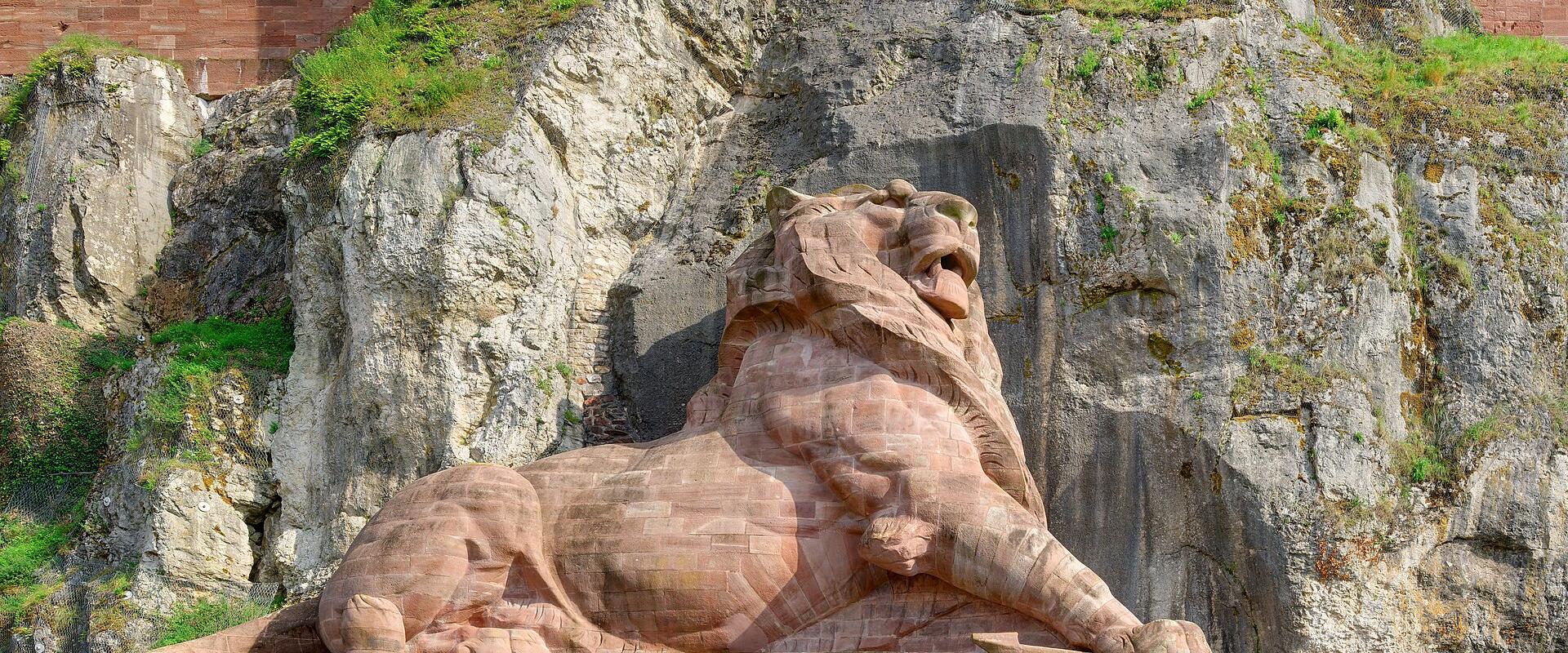
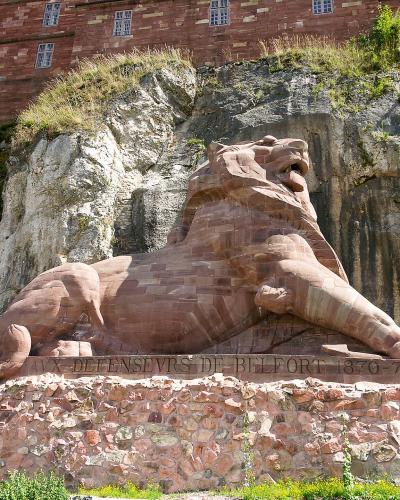
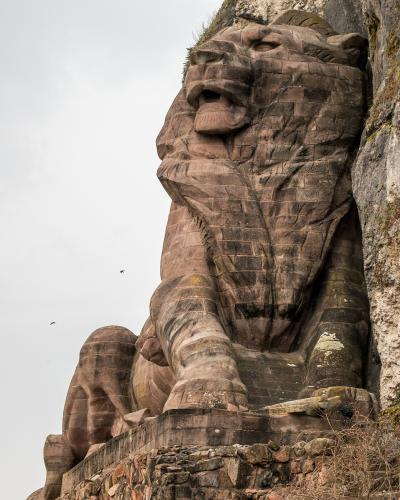
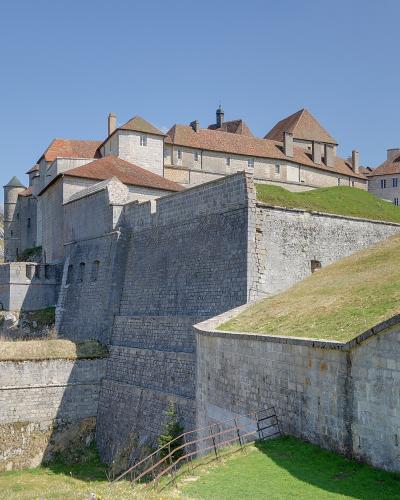
Belfort, located in the Territoire de Belfort department in eastern France, is a city with a profound military and industrial history. Situated in a natural gap between the Vosges and Jura mountains, it has long been a strategic stronghold. The city's most iconic landmark is the Lion of Belfort, a massive sandstone sculpture carved into the rock face of the citadel. Created by Frédéric Auguste Bartholdi, who later designed the Statue of Liberty, the lion symbolizes the resilience of the Belfort garrison during the Franco-Prussian War of 1870-1871, when the city withstood a four-month siege. The citadel itself, with its extensive fortifications, offers panoramic views of the city and the surrounding landscape. The old town features narrow streets, half-timbered houses, and the Saint-Étienne Cathedral, a Gothic structure that stands as a testament to the city's religious heritage.
Beyond its military significance, Belfort is a center of industry and culture. The city was a major hub for the French railway industry, and this history is preserved in the Cité de l'Automobile, the National Automobile Museum, which houses one of the world's largest collections of vintage cars. The museum is a must-visit for automotive enthusiasts, showcasing the evolution of car design from the 19th century to the present. The city also boasts a vibrant cultural scene, with the Musée des Beaux-Arts displaying works by local and international artists, and the Musée de l'Image, which focuses on the history of image-making and animation. The Eurockéennes festival, held annually in the nearby Parc des Sports, is one of France's largest rock music festivals, attracting thousands of visitors.
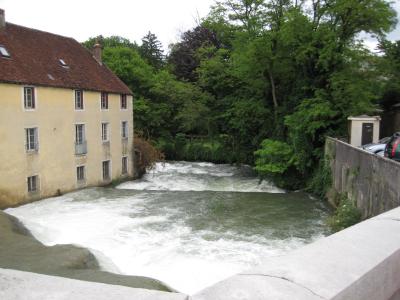
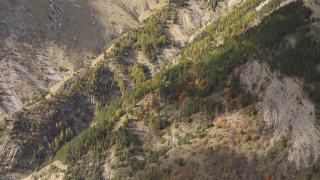
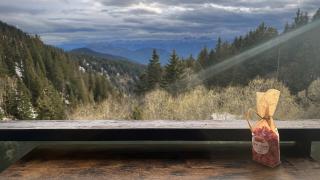
Belfort is also a gateway to the natural beauty of the Vosges mountains. The surrounding region offers numerous opportunities for outdoor activities, including hiking, cycling, and skiing. The Ballon d'Alsace, a prominent peak in the Vosges, is a popular destination for hikers and offers stunning views of the Alsace plain. The city itself is surrounded by hills and forests, providing green spaces for relaxation and recreation. The Durbion River flows through the city, adding to its scenic charm. Visitors can enjoy boat trips on the river or walk along the banks. The city also has a strong industrial heritage, with several museums dedicated to the history of local industries, including the textile and mechanical sectors.
Getting to Belfort is convenient via train, with regular services from Paris, Strasbourg, and Basel. The train station is located in the city center, making it easily accessible. For those traveling by car, Belfort is connected by the A36 motorway. The best time to visit Belfort is from May to September, when the weather is mild and pleasant, ideal for outdoor activities and exploring the citadel. July and August are the warmest months, with average highs around 24°C. Spring and autumn offer milder weather and fewer crowds, making them suitable for sightseeing. Winter is cooler, with occasional snow, but the city retains a cozy atmosphere. Belfort combines historical depth, cultural richness, and natural beauty, making it a compelling destination for travelers seeking an authentic French experience.
Best Time to Visit
May to September offers mild weather and ideal conditions for outdoor activities and sightseeing.
Did you know?
Interesting, verified facts about Belfort
Belfort Has a Distinct Local Story
HistoryBelfort is a historic city in the Bourgogne-Franche-Comté region, situated in the Territoire de Belfort department.
Source: Belfort - WikipediaPlan Your Visit to Belfort
Essential travel tips and information for your trip to Belfort.
Suggested Itineraries
One Day in Belfort
1 dayPerfect for a quick visit. See the main highlights and get a taste of local culture.
Extended Belfort Experience
2-3 daysComprehensive exploration including nearby attractions and cultural experiences.
Travel Tips
Currency
EUR • Cards widely accepted
Language
French • English in tourist areas
WiFi
Free WiFi in cafes and hotels
Explore Belfort by Interest
Discover attractions and experiences in Belfort organized by your interests and travel preferences.
All attractions in Belfort
Sorted by our recommendation score
Quick Facts
Book your stay
Frequently Asked Questions
More destinations in Franche-Comté
Explore other amazing places in the Franche-Comté region