







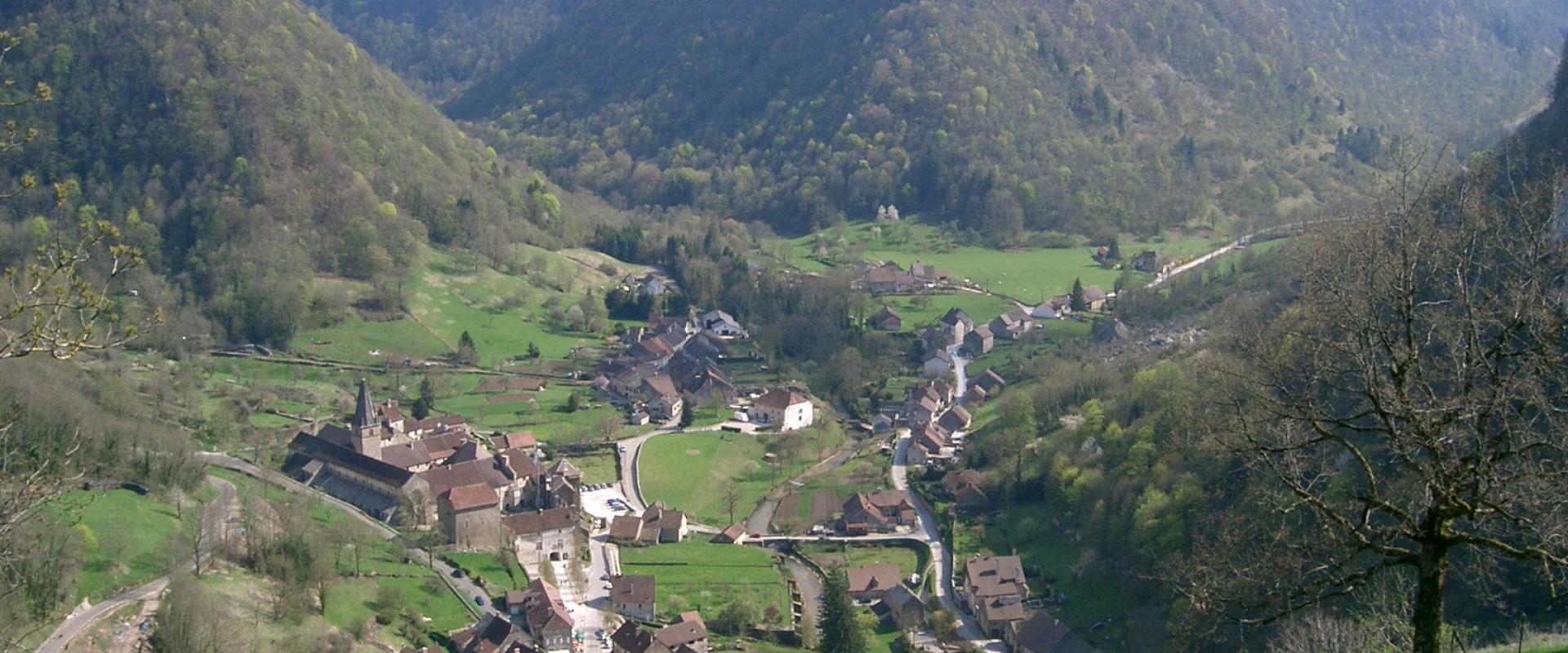
Baume-les-messieurs
Jura village with imperial abbey, caves, and dramatic cliffs
Baume-les-Messieurs, situated in the Jura department of eastern France, is a village of significant historical and natural importance. Historically, it was founded around the Abbey of Saint-Pierre and Saint-Paul, established in the early Middle Ages. The abbey, known as the 'Imperial Abbey' due to its close ties with Charlemagne and subsequent Holy Roman Emperors, played a crucial role in the region's religious and political life, and its monks, led by Berno, founded the abbey of Cluny in 909 or 910. The village's name, 'Baume,' derives from the Latin 'balma,' meaning cave, reflecting the extensive karst system beneath and around the settlement. 'Messieurs' recalls the noble canons who lived in the abbey in later centuries. The abbey was largely destroyed during the French Revolution, but its ruins and the remaining structures, including the church and cloister, remain significant historical landmarks. The village's strategic location in a steephead valley, or 'reculée,' provided natural defense and shaped its development.
The main attractions in Baume-les-Messieurs revolve around its natural and architectural heritage. The Baume Caves (Grottes de Baume), also called the Grotte de Baume-les-Messieurs or Source du Dard, are a major draw, featuring underground passages, stalactites and stalagmites. These caves offer a mystical experience with guided tours that highlight the geological history of the Jura region. The Abbey ruins, in the lower part of the village and on the hill above, offer views of the surrounding cliffs and valley, and the Abbaye impériale is the central historic site, with its church holding an early 16th-century Flemish altarpiece. The Dard Waterfall, located nearby, is a spectacular natural feature where water cascades over limestone cliffs, creating a unique ecosystem where plants appear to grow from the rock face. The village itself features narrow cobblestone streets, traditional Jura houses and viewpoints that showcase the dramatic limestone cliffs rising up to 200 meters. The Source de la Seille, a natural spring nearby, is another point of interest, known for its clear waters and scenic setting, and the Parc de la Source is a natural area beside it. The Vallée de l'Ain, listed locally, is a separate valley a few kilometres to the east, and the Local Cheese and Wine Tastings available in the area are an important part of a visit.
Baume-les-Messieurs offers various activities for visitors interested in nature, history and local culture. Hiking is a primary activity, with marked trails leading through the reculée, offering views of the cliffs, waterfalls and caves, including climbs to the clifftop viewpoints. Local walkers mostly use regional paths and short loops around the village and its reculée. Wine tasting is a central activity, with the Jura region known for its unique wines such as Château-Chalon and Macvin. Visitors can explore local vineyards and cellars to sample these distinctive wines. The nearby town of Lons-le-Saunier offers additional cultural attractions, including the Musée du Jura. The local cuisine features Jura specialties, including Comté cheese, fondue and game, as well as cured sausages and morels. The village also hosts various festivals and events throughout the year, celebrating its heritage and local products.
Getting to Baume-les-Messieurs is convenient via car, as public transport options are limited. The village is accessible from major cities like Lyon and Besançon via the D468 and D1075 roads, in each case about two hours away, and Lons-le-Saunier is the nearest town for trains. The nearest major airport is in Lyon or Geneva. The best time to visit is from April to June and September to October, when the weather is mild and pleasant, ideal for exploring the outdoor attractions and hiking trails. July and August are the warmest months, with average temperatures around 19°C, but also the busiest. Spring and autumn offer milder weather and fewer crowds, making them suitable for sightseeing and wine tasting. Winter is cooler and quieter, offering a serene atmosphere for indoor museum visits and cave exploration.
Best time to visit
April to June and September to October offer mild weather and fewer crowds for optimal exploration.
What to see in Baume-les-messieurs
Our picks first.
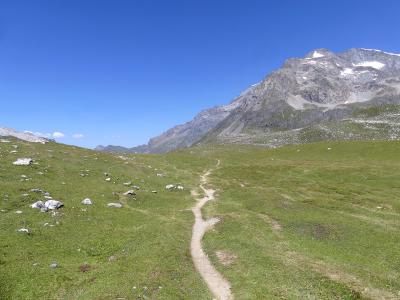
Sentier de Grande Randonnée GR5
GR5 trail through Jura's limestone valley
Guided Experiences · Nature & Parks
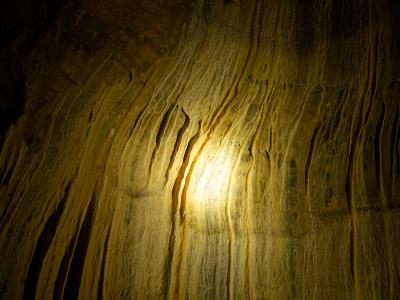
Grotte de Baume-les-Messieurs
1610-discovered river cave with 80m high Catafalque Gallery
Geological Sites · Guided Tours
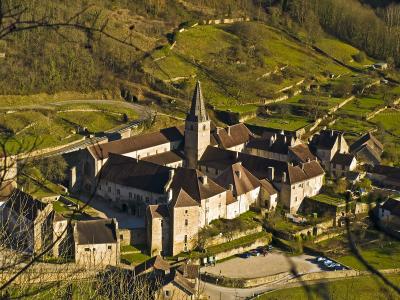
Abbaye de Baume-les-Messieurs
Imperial abbey in the Jura Mountains
From €4 Historic Architecture · Museums & Culture
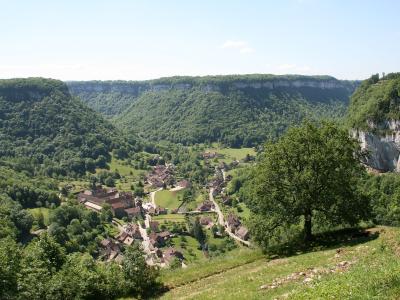
Le Village de Baume-les-Messieurs
17th-century caves in a historic Jura abbey village
Geological Sites · Heritage Trails
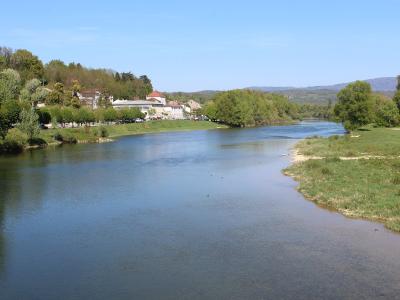
Vallée de l'Ain
Jura village with imperial abbey, waterfalls, and caves
Guided Experiences · Nature & Parks
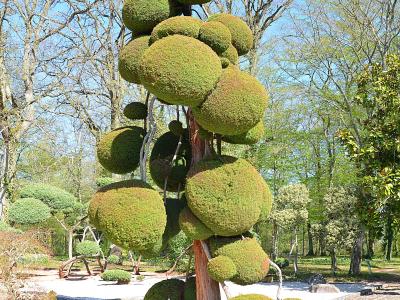
Parc de la Source
Jura village with 6th-century Imperial Abbey
Guided Experiences · Nature & Parks
Baume-les-messieurs by interest
The same sights, grouped by what you came for.
Did you know?
Checked facts about Baume-les-messieurs, each with its source.
-
Food & Drink
Baume-les-messieurs Has a Wine Tradition
Baume-les-Messieurs serves as a gateway to the Jura mountains, offering hiking, wine tasting, and exploration of unique geological sites.
Source: Baume-les-Messieurs — Wikipédia -
Trivia
Baume-les-messieurs Connects Several Visitor Sights
Baume-les-messieurs is associated in the guide data with multiple local sights, including Abbaye de Baume-les-Messieurs, Grotte de Baume-les-Messieurs, Le Village de Baume-les-Messieurs.
Source: Cavern of BAUME-LES-MESSIEURS -
Discovery
Baume-les-messieurs Preserves Medieval Heritage
The village offers a serene atmosphere with rich historical heritage, including medieval architecture and natural wonders like waterfalls and karst formations.
Source: Baume-les-Messieurs - Wikipedia
Planning a visit to Baume-les-messieurs
Good to know
- Currency
- EUR
- Language
- French
Quick Facts
Book your stay
Questions people ask
More places in Franche-Comté
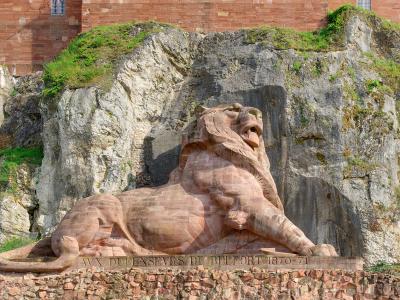
Franche-Comté
Belfort
Historic fortress city home to the Lion of Belfort
Franche-Comté
Besancon
Historic fortified city on a loop of the Doubs River
Franche-Comté
Arbois
Historic Jura town and capital of Arbois wine region
Franche-Comté
Ornans
Birthplace of Courbet in the Jura foothills on the Loue River