



Vannes
Medieval walled city in Brittany with half-timbered houses
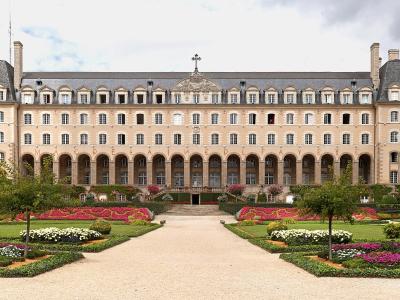
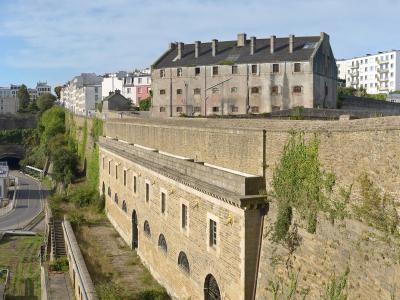
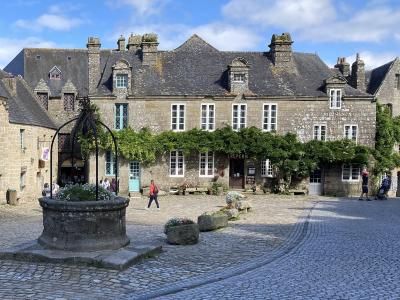
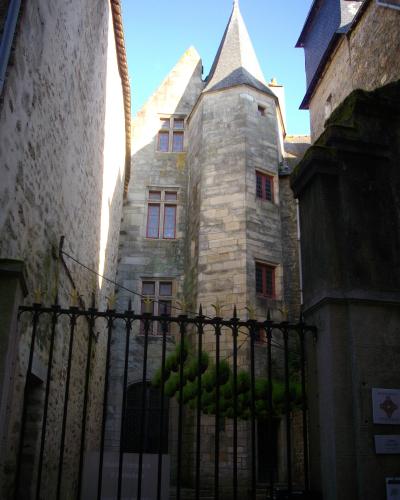
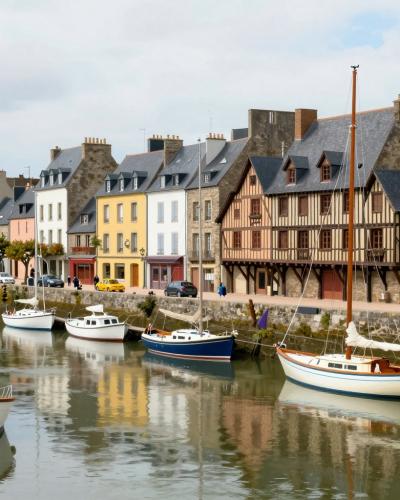
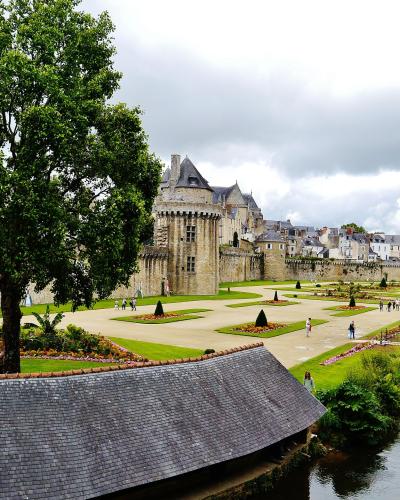
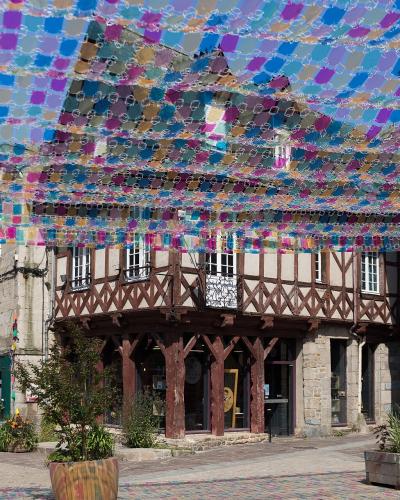
Vannes, located in the Morbihan department of Brittany in northwestern France, is a city of significant historical and cultural importance. As the capital of Morbihan, it serves as a gateway to the Gulf of Morbihan, a sheltered body of water dotted with islands. The city's history dates back to the Gallo-Roman period, when it was known as Dariorigum. It later became the capital of the Duchy of Brittany in the 10th century, a status it held until the duchy was integrated into France. This rich heritage is evident in the city's architecture, particularly the well-preserved medieval old town, which is enclosed by a circuit of ramparts. The ramparts, built in the 14th and 15th centuries, offer a scenic walkway with views of the city and the surrounding countryside. The old town is characterized by narrow, winding streets lined with half-timbered houses, a hallmark of Breton architecture. These colorful buildings, with their distinctive timber frames and plaster infill, create a picturesque and atmospheric setting.
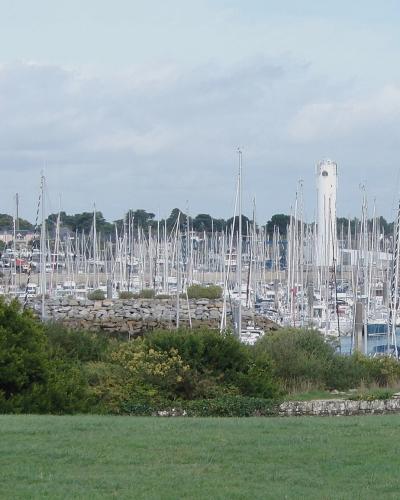
Key attractions in Vannes include the Cathédrale Saint-Pierre, a Gothic masterpiece begun in the 15th century. Its interior features impressive stained glass windows and a serene ambiance. The Cohue, a former market hall built in the 16th century, now houses a museum dedicated to the history of Vannes and the Gulf of Morbihan. The Château de l'Hermine, the former ducal palace, is another significant landmark, offering insights into the region's ducal past. The city also boasts the Gréguennic Bastion, a defensive structure that provides panoramic views. The Port of Vannes is a lively area where visitors can enjoy seafood restaurants and watch boats dock. The city is also known for its cultural events, including the Vannes Jazz Festival and the Festival of the Gulf of Morbihan, which attract visitors from across Europe.
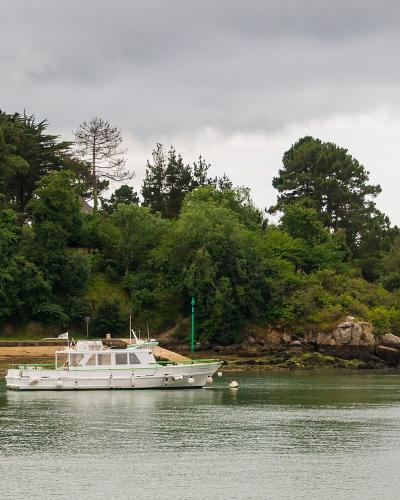
Activities in Vannes range from historical exploration to outdoor recreation. Walking tours of the old town allow visitors to appreciate the architectural details and learn about the city's history. The ramparts are popular for jogging and cycling. For those interested in the Gulf, boat trips depart from the port, offering tours to islands like Belle-Île-en-Mer and Groix. Kayaking and stand-up paddleboarding are also popular activities on the calm waters of the Gulf. The nearby beaches, such as those in La Trinité-sur-Mer and Arzon, provide opportunities for swimming and sunbathing. The city's markets, including the covered market, offer local produce, cheeses, and Breton specialties like crêpes and galettes.
Getting to Vannes is convenient via train, with direct services from Paris and other major French cities. The TGV station is located just outside the old town, making it easily accessible. For those traveling by car, Vannes is connected by the A83 motorway. The best time to visit Vannes is from June to early October, when the weather is warm and pleasant, ideal for outdoor activities and boat trips. July and August are the warmest months, with average highs around 22°C, but also the busiest. Spring and autumn offer milder weather and fewer crowds, making them suitable for sightseeing. Winter is cooler and wetter, but the city retains a cozy atmosphere with fewer tourists. Vannes combines medieval charm, cultural richness, and natural beauty, making it a compelling destination for travelers seeking an authentic Breton experience.
Best Time to Visit
June to early October offers warm weather and ideal conditions for outdoor activities and boat trips.
Plan Your Visit to Vannes
Essential travel tips and information for your trip to Vannes.
Suggested Itineraries
One Day in Vannes
1 dayPerfect for a quick visit. See the main highlights and get a taste of local culture.
Extended Vannes Experience
2-3 daysComprehensive exploration including nearby attractions and cultural experiences.
Travel Tips
Currency
EUR • Cards widely accepted
Language
French • English in tourist areas
WiFi
Free WiFi in cafes and hotels
Explore Vannes by Interest
Discover attractions and experiences in Vannes organized by your interests and travel preferences.





All attractions in Vannes
Sorted by our recommendation score
Quick Facts
Book your stay
Frequently Asked Questions
More destinations in Brittany
Explore other amazing places in the Brittany region