Riom
Historic Auvergne town with Sainte-Chapelle and museums
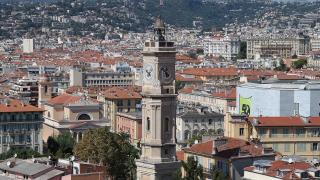
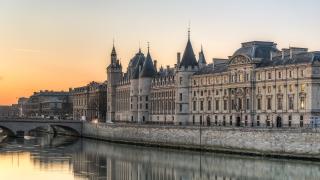
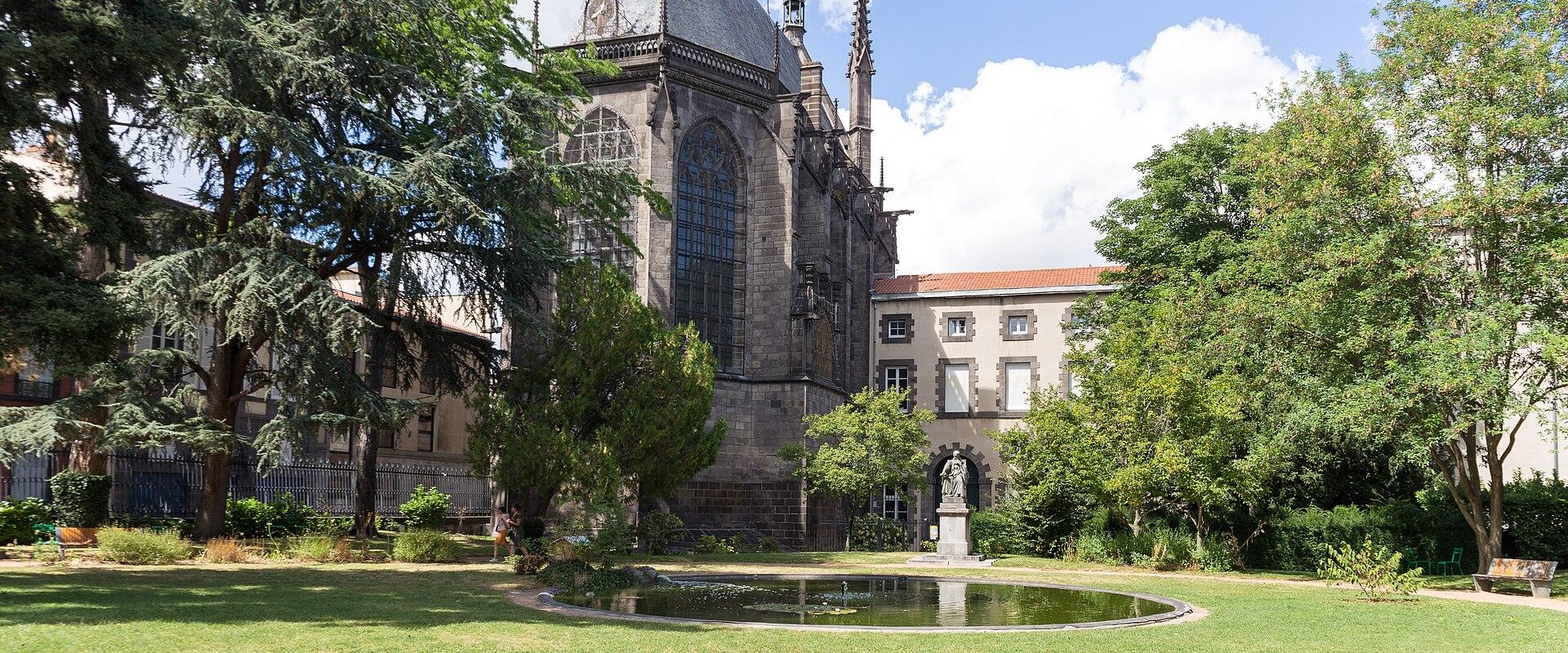
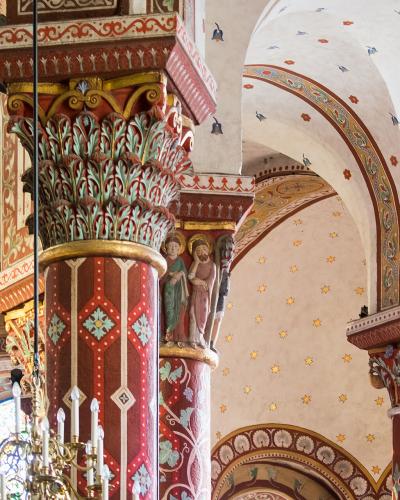
Riom, situated in the Puy-de-Dôme department of the Auvergne-Rhône-Alpes region, is a town of significant historical importance. Located on the Ambène River at the western edge of the fertile Limagne Plain, it served as the capital of the Duchy of Auvergne during the Middle Ages. The town's history is marked by its strategic position and its role in the political landscape of medieval France. The most iconic landmark is the Sainte-Chapelle de Riom, built in the 16th century by King Louis XII. This Gothic chapel is renowned for its stunning stained-glass windows and intricate stone carvings, reflecting the artistic sophistication of the period. The Tour de l'Horloge, an octagonal clock tower from the 16th century, stands as another prominent symbol of the town, offering views of the surrounding area.
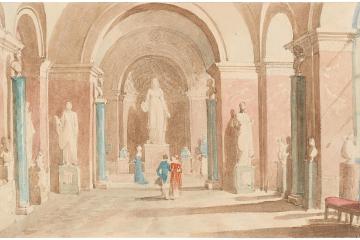
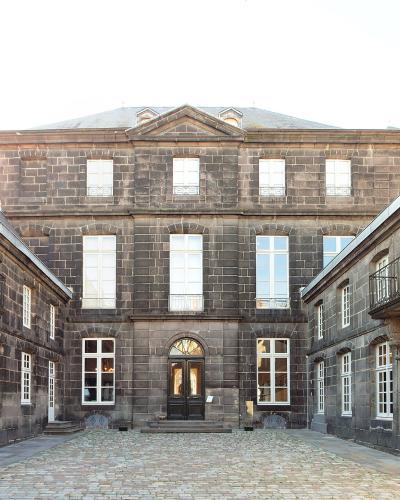
The old town of Riom features narrow streets lined with half-timbered houses and historic mansions, preserving the medieval character of the city. The Place de la République is a central square surrounded by cafes and shops, serving as a social hub for residents and visitors. The town is also home to several museums, including the Musée Mandet, which houses a collection of paintings, sculptures, and decorative arts, and the Musée Baster, dedicated to motorcycles and vintage cars. The Musée Régional d'Auvergne, located nearby in Clermont-Ferrand, complements the local cultural offerings. The Adam and Eve fountain, a Renaissance masterpiece, is another notable attraction, showcasing intricate sculptural details.
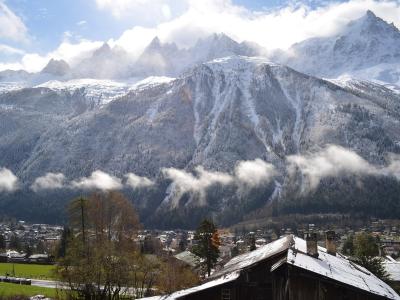
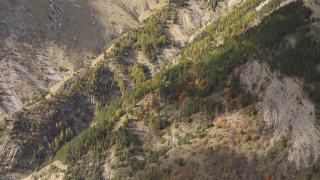
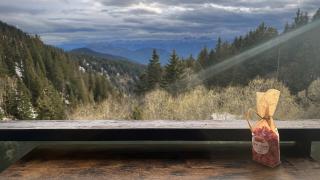
Riom serves as a gateway to the natural beauty of the Auvergne region. The Chaîne des Puys, a chain of volcanoes, is located nearby and offers hiking trails with panoramic views of the Limagne Plain and the Massif Central. The nearby town of Volvic is known for its natural spring water and the Château de Tournoël. The region is also rich in geological heritage, with the Vulcania theme park providing an educational experience about volcanoes. The local cuisine features Auvergne specialties, including Salers cheese, truffles, and duck confit. The town hosts various festivals and events throughout the year, including the Riom Jazz Festival and the Fête de la Saint-Jean.
Getting to Riom is convenient via train, with regular services from Clermont-Ferrand and other major cities in the region. The train station is located in the town center, making it easily accessible. For those traveling by car, Riom is connected by the A71 motorway. The best time to visit Riom is from May to June and September to October, when the weather is mild and pleasant, ideal for exploring the historic sites and the surrounding countryside. July and August are warm and busy, suitable for those who enjoy summer activities but may encounter larger crowds. Spring and autumn offer milder weather and fewer crowds, making them suitable for sightseeing and hiking. Winter is cooler and quieter, offering a serene atmosphere for indoor museum visits. Riom combines historical depth, cultural richness, and natural beauty, making it a compelling destination for travelers seeking an authentic Auvergne experience.
Best Time to Visit
May to June and September to October offer mild weather and fewer crowds for optimal exploration.
Plan Your Visit to Riom
Essential travel tips and information for your trip to Riom.
Suggested Itineraries
One Day in Riom
1 dayPerfect for a quick visit. See the main highlights and get a taste of local culture.
Extended Riom Experience
2-3 daysComprehensive exploration including nearby attractions and cultural experiences.
Travel Tips
Currency
EUR • Cards widely accepted
Language
French • English in tourist areas
WiFi
Free WiFi in cafes and hotels
Explore Riom by Interest
Discover attractions and experiences in Riom organized by your interests and travel preferences.
All attractions in Riom
Sorted by our recommendation score

Quick Facts
Book your stay
Frequently Asked Questions
More destinations in Auvergne
Explore other amazing places in the Auvergne region