







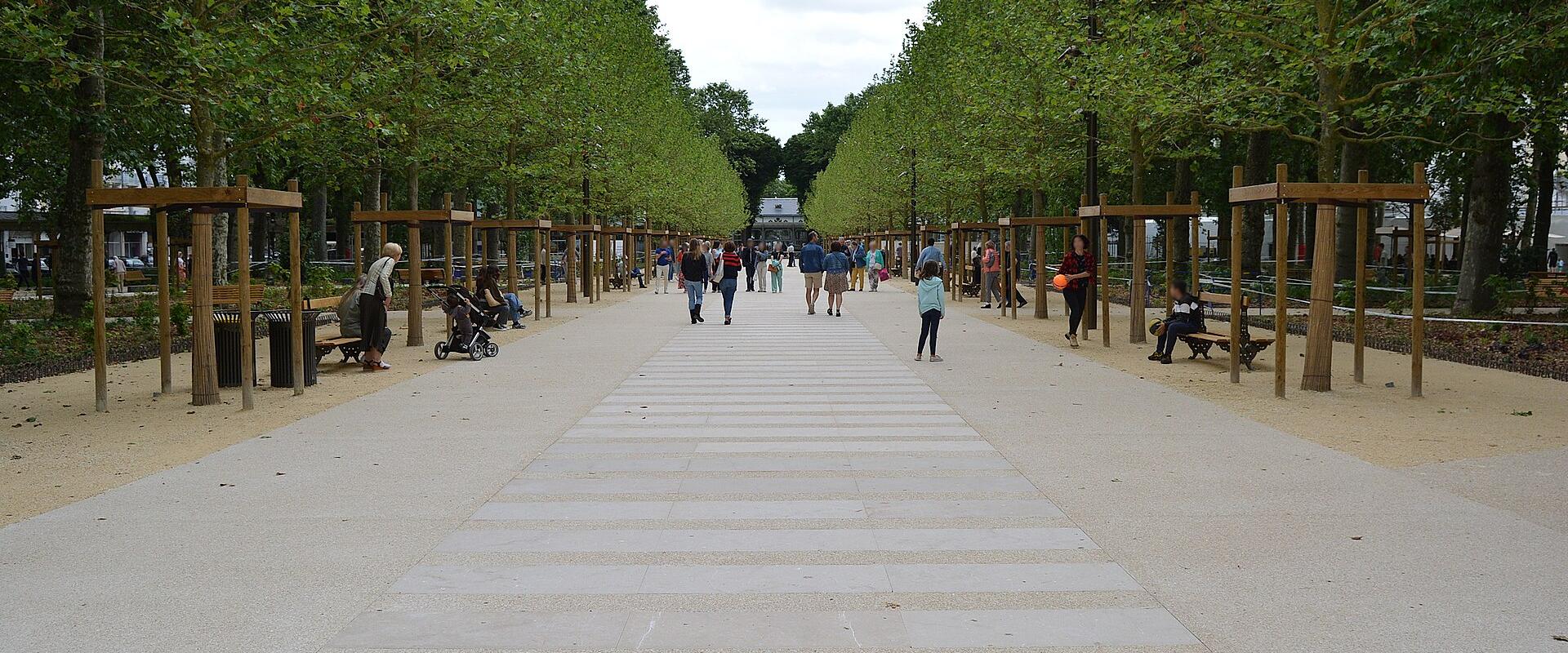
Vichy
Historic spa town on the Allier River with Belle Époque architecture
Vichy, located in the Allier department of the Auvergne-Rhône-Alpes region, is a city defined by its thermal springs and elegant architecture. Situated on the banks of the Allier River, Vichy has been a renowned spa destination since the 19th century, although the Romans knew its waters, and older writers praise the springs from the 17th century onward, when Madame de Sévigné came to take the cure. The discovery of its mineral waters in the 17th century led to the establishment of thermal baths, which gained international fame in the 1800s. The town became a hub for the European elite, including Napoleon III and Queen Victoria, who came to benefit from the therapeutic properties of the water. This period of prosperity resulted in the construction of magnificent Belle Époque buildings, including the Grand Casino, the Palais des Congrès and the Grand Établissement Thermal. The architecture reflects the opulence of the era, with ornate facades, grand halls and lush gardens.
The historical significance of Vichy extends beyond its spa heritage. During World War II, after the fall of France in 1940, the town became the seat of the collaborationist Vichy regime under Marshal Philippe Pétain, whose government met in the hotels of the town, among them the Hôtel du Parc. This period left a complex legacy, and today, the town addresses this history through museums and memorials, such as the Museum of the Resistance and Deportation, listed in local guides. The town also features religious landmarks like the Église Saint-Louis, a church built in the 1860s during the Second Empire in a mix of neo-Romanesque and neo-Gothic styles.
Visitors to Vichy can engage in a variety of activities centered around wellness and culture. The Hall des Sources allows guests to taste the different types of mineral water, each with unique health benefits. The Parc des Sources, also called the Jardin des Sources, offers a serene environment for walking, with fountains, gardens and covered galleries, and it is the old social centre of the town. The Grand Casino, whose former opera house is now part of the Palais des Congrès, is not only a gambling venue but also a cultural center hosting concerts and events. The riverfront promenade is ideal for leisurely strolls, offering views of the Allier River and the surrounding landscape. For those interested in nature, the nearby Monts du Forez and the Bourbonnais countryside provide opportunities for hiking and cycling. The town also hosts various festivals throughout the year, including the Vichy Dance Festival and the Vichy Opera Festival, which attract international artists and audiences.
Getting to Vichy is convenient via train, with services from Paris taking approximately three hours. The train station is located close to the city center, making it easily accessible. For those traveling by car, Vichy is connected by the A71 and A89 motorways. The best time to visit is from June to September, when the weather is warm and pleasant, ideal for outdoor activities and enjoying the thermal facilities. July and August are the warmest months, with average temperatures around 21°C. Spring and autumn offer milder weather and fewer crowds, making them suitable for sightseeing. Winter is cooler, but the thermal baths remain open year-round, offering a relaxing escape regardless of the season.
Best time to visit
June to September offers warm weather and sunny conditions ideal for outdoor activities and spa visits.
What to see in Vichy
Our picks first.
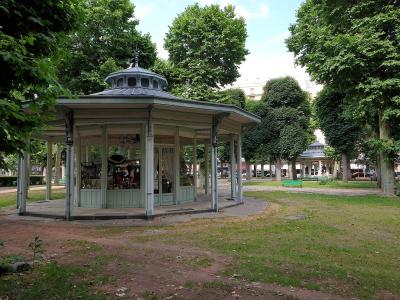
Jardin des Sources
Free historic park with restored 19th-century water features
Free Guided Experiences · Nature & Parks
Boulevard de la République
Historic Vichy boulevard named for the French Republic
Free Urban Exploration
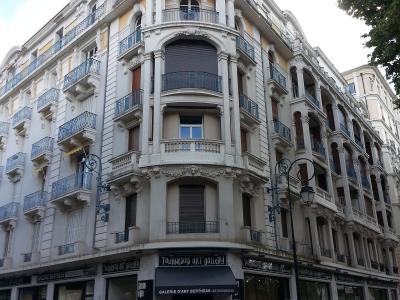
Hôtel du Parc
Former WWII headquarters in central Vichy
Guided Experiences · Historic Architecture
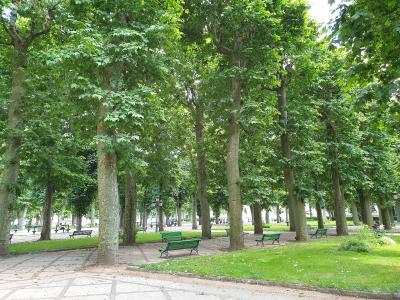
Parc des Sources
1812 historic park in Vichy, France
Free Nature & Parks
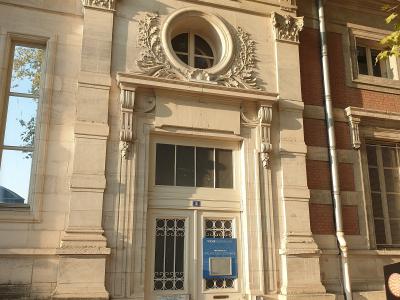
Casino de Vichy
France's only gold and ivory Art Nouveau theatre
Historic Architecture · Casinos
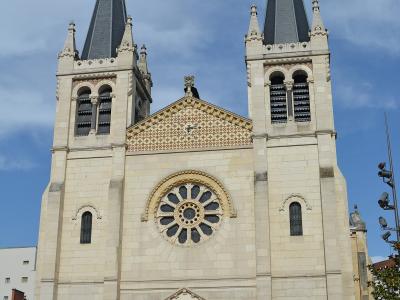
Église Saint-Louis
1865 neo-Romanesque church with imperial stained glass
Free Historic Architecture · Churches
Vichy by interest
The same sights, grouped by what you came for.
Planning a visit to Vichy
Good to know
- Currency
- EUR
- Language
- French
Quick Facts
Book your stay
Questions people ask
More places in Auvergne
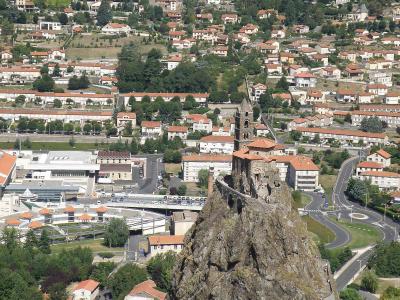
Auvergne
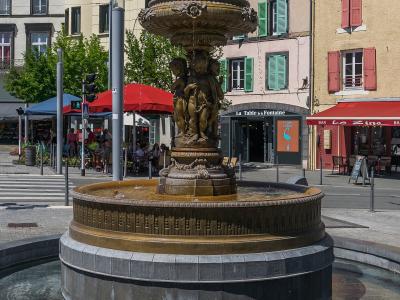
Le Puy-en-velay
Volcanic town and starting point of the Way of St. James
Auvergne
Clermont-ferrand
Volcanic Auvergne capital with black stone architecture and Michelin heritage
Auvergne
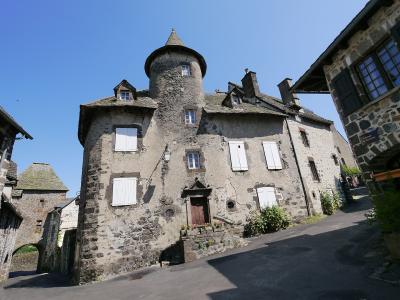
Salers
Medieval village on volcanic plateau known for cheese and cattle
Auvergne
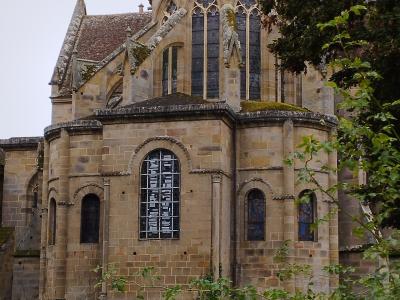
Souvigny
Old Bourbon town with a great Cluniac priory church