







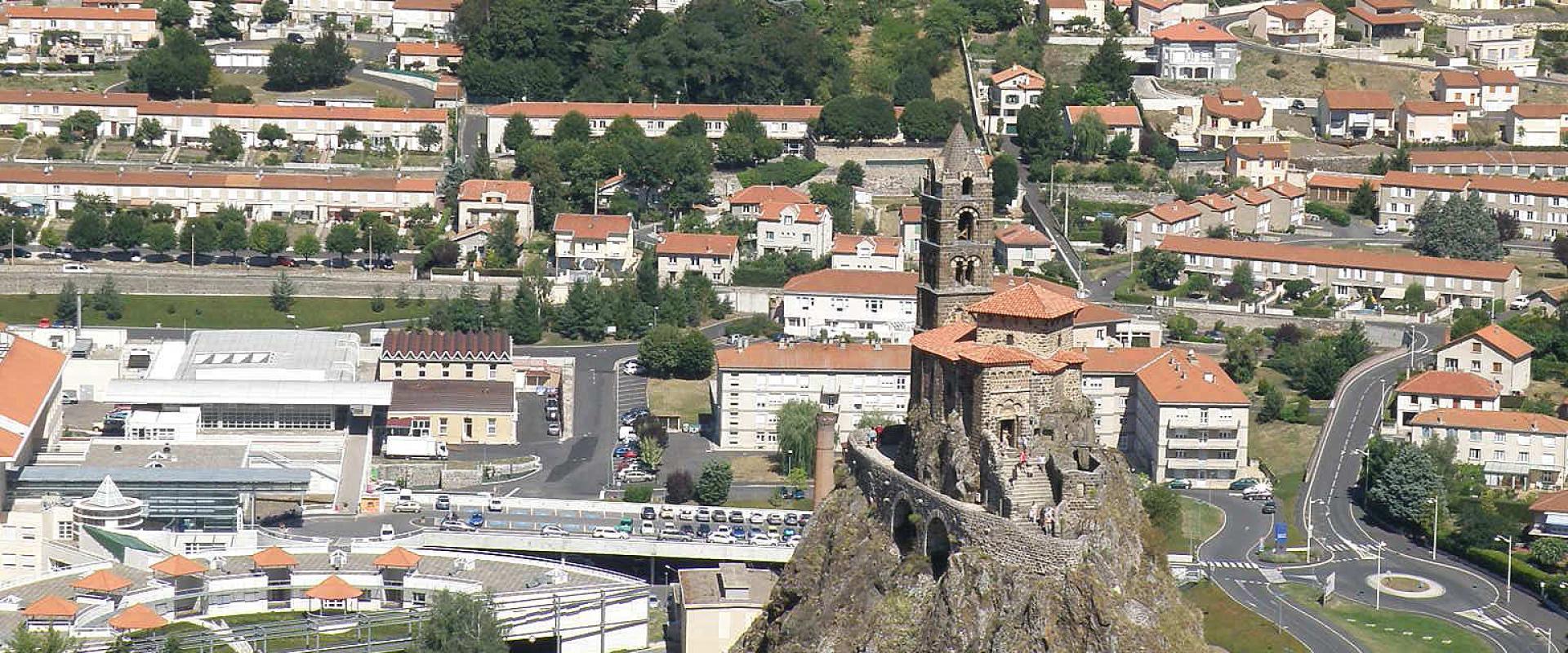
Le Puy-en-Velay, situated in the Haute-Loire department of south-central France, is a town with a profound historical and spiritual identity. Historically, it was a major pilgrimage centre from the 10th century onwards, serving as the gateway to the Way of St. James, and the first recorded pilgrim to Compostela from abroad, Bishop Godescalc, set out from here in 950. The town's religious significance is anchored by the Cathedral of Notre-Dame du Puy, built on the site of an earlier sanctuary. The cathedral houses the famous black Madonna, a statue that replaced the medieval one and is a symbol of the town. Le Puy was also a key stop on the medieval trade routes and a centre for the production of lace, a craft that remains a vital part of the local heritage. The town's layout is shaped by the volcanic geology, with narrow streets winding between basalt rocks and cliffs. The local economy has traditionally been based on lace-making, agriculture and tourism, with the lace industry facing challenges but maintaining its cultural importance.
The main attractions in Le Puy-en-Velay reflect its religious, artistic and geological heritage. The Cathedral of Notre-Dame du Puy is the primary landmark, featuring Romanesque and Gothic architecture, a cloister and a treasury with significant artifacts. The Rocher Corneille, a volcanic plug, offers panoramic views of the town and the surrounding plains, and the Statue of Our Lady of France, cast from cannon taken at Sevastopol in the 19th century, stands on top of it. The Chapelle Saint-Michel d'Aiguilhe, a small chapel perched on a basalt column reached by about 270 steps, is a striking architectural feat and a popular pilgrimage site. The Musée Crozatier, in a park, displays a collection of religious art, lace and natural history, and the Musée du Velay focuses on regional life. The Église Saint-Laurent, a Gothic church in the city centre, holds the tomb of a medieval knight, and the Place du Cornet and the Rue des Chazes are old streets in the historic centre. The old town features narrow streets, half-timbered houses and the famous lace markets. The Sentier des Crêtes and the Parc des Volcans, listed in guides, point toward the volcanic landscapes of the wider Velay and Auvergne.
Le Puy-en-Velay offers various activities for visitors interested in history, nature and culture. Walking the Via Podiensis is a central activity, with marked trails, the GR65, leading to Santiago de Compostela, and many visitors walk only the first few days. The surrounding region offers opportunities for hiking, climbing and cycling, with numerous trails through the volcanic landscape. The local cuisine features Auvergne specialties, including the green lentils of Le Puy, saint-nectaire cheese, truffles and duck confit, with verbena liqueur as the local drink. The town hosts various festivals throughout the year, including the Festival of the Black Madonna on 15 August and a September Renaissance festival known as the Roi de l'Oiseau. The nearby town of Brioude is easily accessible for additional cultural attractions. The surrounding countryside offers opportunities for horseback riding and visiting local farms.
Getting to Le Puy-en-Velay is convenient via train, with regular services from Lyon and Saint-Étienne, and connections from Paris. The train station is located close to the city centre, making it easily accessible. For those traveling by car, Le Puy is accessible via the A75 motorway and by expressways from Saint-Étienne. The best time to visit is from late June to late August, when the weather is warm and pleasant, ideal for exploring the outdoor attractions and hiking. July and August are the warmest months, with average highs around 25°C, but also the busiest. Spring and autumn offer milder weather and fewer crowds, making them suitable for sightseeing and museum visits. Autumn is particularly popular for its colorful foliage. Winter is cooler and quieter, offering a serene atmosphere for indoor museum visits.
Best time to visit
Late June to late August offers warm weather and ideal conditions for outdoor activities and sightseeing.
What to see in Le Puy-en-velay
Our picks first.
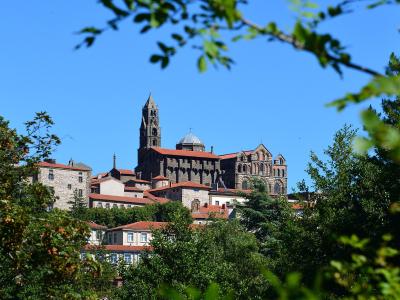
Cathédrale Notre-Dame du Puy
12th-century Romanesque UNESCO site on 134 steps
Guided Experiences · Historic Architecture
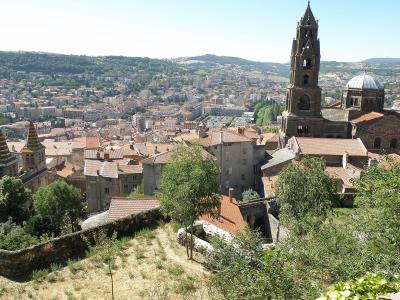
Musée du Velay
1894 regional museum in Le Puy-en-Velay
Guided Experiences · Historic Architecture
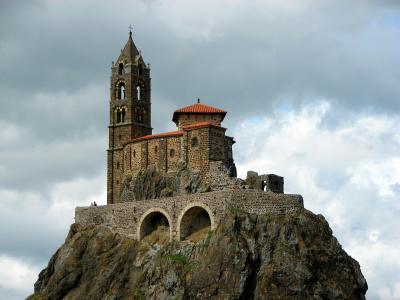
Chapelle Saint-Michel d'Aiguilhe
10th-century chapel atop a 260-foot basalt rock
Historic Architecture · Museums & Culture
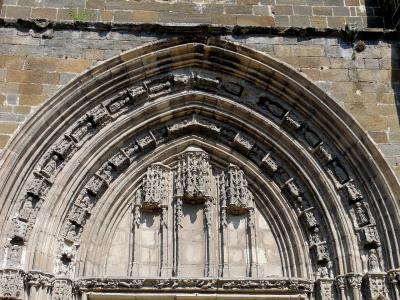
Église Saint-Laurent
13th-century Gothic church housing Bertrand du Guesclin's...
Historic Architecture · Museums & Culture
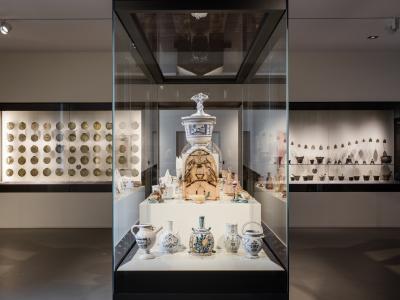
Musée Crozatier
Neoclassical museum blending history, science, and art
Historic Architecture · Museums & Culture
Le Puy-en-velay by interest
The same sights, grouped by what you came for.
Did you know?
Checked facts about Le Puy-en-velay, each with its source.
-
Film & TV
A Modern Mystery at the Stone of Fevers
In the 2024 TV movie 'Meurtres au Puy-en-Velay,' the plot centers on a character who visits the 'Pierre des Fièvres' (Stone of Fevers) to make a wish, where they subsequently discover a corpse, blending local legend with crime fiction.
Source: www.imdb.com
Planning a visit to Le Puy-en-velay
Good to know
- Currency
- EUR
- Language
- French
Quick Facts
Book your stay
Questions people ask
More places in Auvergne
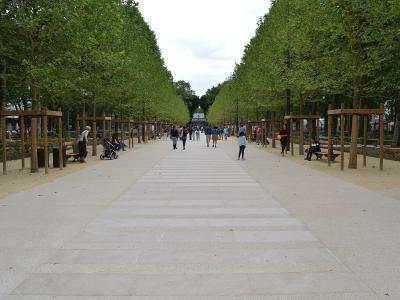
Auvergne
Vichy
Historic spa town on the Allier River with Belle Époque architecture
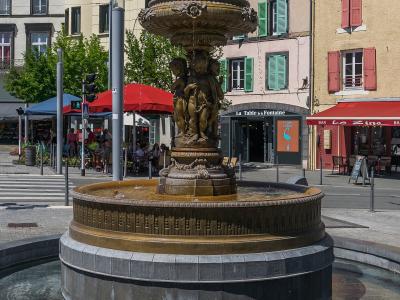
Auvergne
Clermont-ferrand
Volcanic Auvergne capital with black stone architecture and Michelin heritage
Auvergne
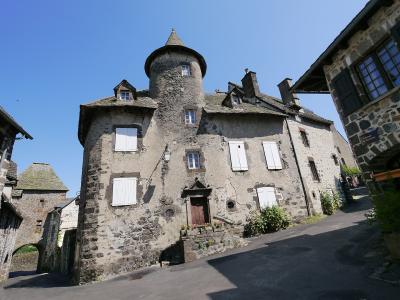
Salers
Medieval village on volcanic plateau known for cheese and cattle
Auvergne
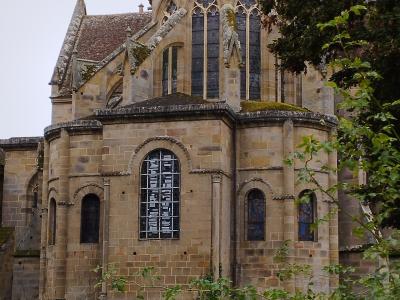
Souvigny
Old Bourbon town with a great Cluniac priory church