Salers
Medieval village on volcanic plateau known for cheese and cattle
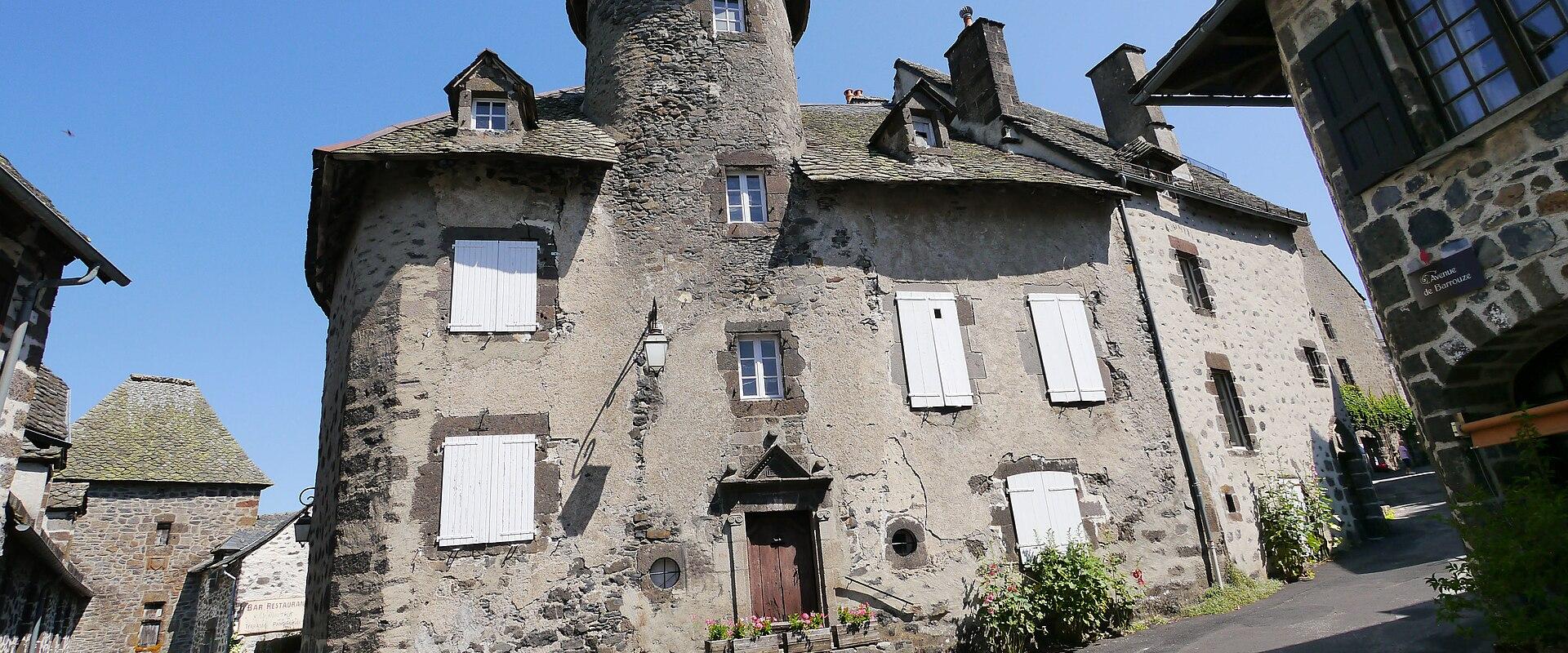
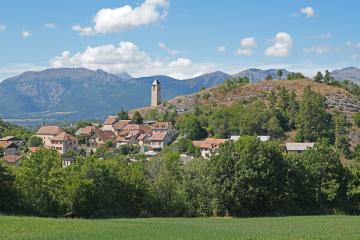
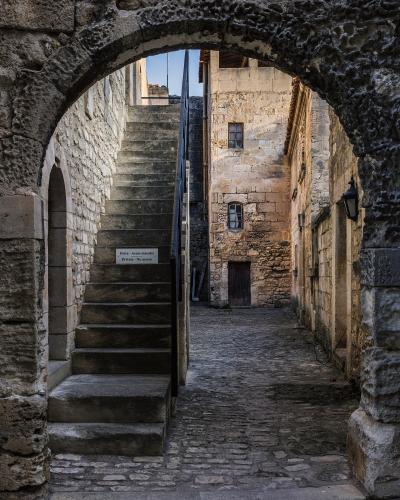
Salers, situated in the Cantal department of the Auvergne-Rhône-Alpes region, is a village with a profound historical and agricultural identity. Historically, it was a significant market town and a center for the transhumance of cattle. The village's layout reflects its medieval origins, with narrow, winding streets and stone buildings constructed from local volcanic rock. The Saint-Mathieu Church, a prominent landmark, features a distinctive bell tower and Romanesque elements. The village also includes the Templar House, now a museum dedicated to the art and folk traditions of the Pays de Salers. The area has been inhabited since prehistoric times, with evidence of early settlements in the surrounding valleys. The village's economy has traditionally been based on agriculture, particularly dairy farming, which remains central to its identity today.
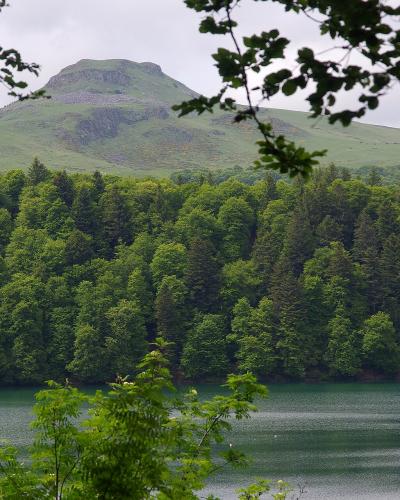
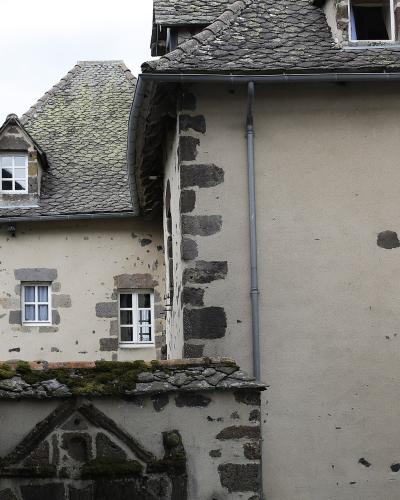
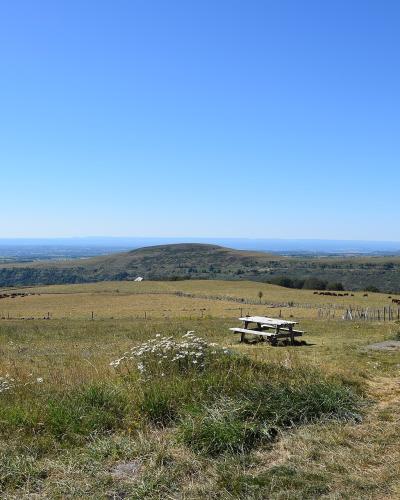
The main attractions in Salers revolve around its architectural heritage and natural surroundings. The Saint-Mathieu Church is the village's most iconic structure, offering insights into the region's religious history. The Templar House houses the Museum of Art and Folk Traditions, displaying artifacts related to local life and the Templar order. The Burons, traditional mountain huts used by shepherds during the summer months, are scattered throughout the surrounding pastures, offering a glimpse into the pastoral lifestyle. The village itself is a designated 'Most Beautiful Village of France,' with its stone houses and slate roofs creating a picturesque setting. The surrounding landscape offers hiking trails with views of the Chaîne des Puys volcanoes and the Cantal mountains. The Maison de la Salers, located nearby, is dedicated to the Salers cattle breed and the production of Salers cheese.
Salers offers various activities for visitors interested in history, nature, and gastronomy. Hiking is a primary activity, with marked trails leading through the volcanic landscapes and pastures. The GR4 and GR40 hiking routes pass near the village, offering multi-day trekking opportunities. Cheese tasting is a central activity, with local producers offering samples of Salers and Cantal cheeses. The village hosts the Fête de la Transhumance, an annual festival celebrating the return of cattle from the mountains. The local cuisine features Auvergne specialties, including truffade (a potato and cheese dish), jésus (a sweet bread), and local wines. The surrounding region offers opportunities for cycling and horseback riding. The nearby town of Aurillac provides additional cultural attractions and services.
Getting to Salers is convenient via car, as public transport options are limited. The village is accessible from major cities like Clermont-Ferrand and Aurillac via the D990 and D920 roads. The nearest major airport is in Clermont-Ferrand. The best time to visit Salers is from June to September, when the weather is warm and pleasant, ideal for exploring the outdoor attractions and hiking trails. July and August are the warmest months, with average temperatures around 20°C, but also the busiest. Spring and autumn offer milder weather and fewer crowds, making them suitable for sightseeing and museum visits. Winter is cooler and quieter, with potential snow, offering a serene atmosphere for indoor museum visits. Salers combines historical depth, natural beauty, and agricultural richness, making it a compelling destination for travelers seeking an authentic Auvergne experience.
Best Time to Visit
June to September offers warm weather and ideal conditions for outdoor activities and sightseeing.
Plan Your Visit to Salers
Essential travel tips and information for your trip to Salers.
Suggested Itineraries
One Day in Salers
1 dayPerfect for a quick visit. See the main highlights and get a taste of local culture.
Extended Salers Experience
2-3 daysComprehensive exploration including nearby attractions and cultural experiences.
Travel Tips
Currency
EUR • Cards widely accepted
Language
French • English in tourist areas
WiFi
Free WiFi in cafes and hotels
Explore Salers by Interest
Discover attractions and experiences in Salers organized by your interests and travel preferences.
All attractions in Salers
Sorted by our recommendation score
Quick Facts
Book your stay
Frequently Asked Questions
More destinations in Auvergne
Explore other amazing places in the Auvergne region