







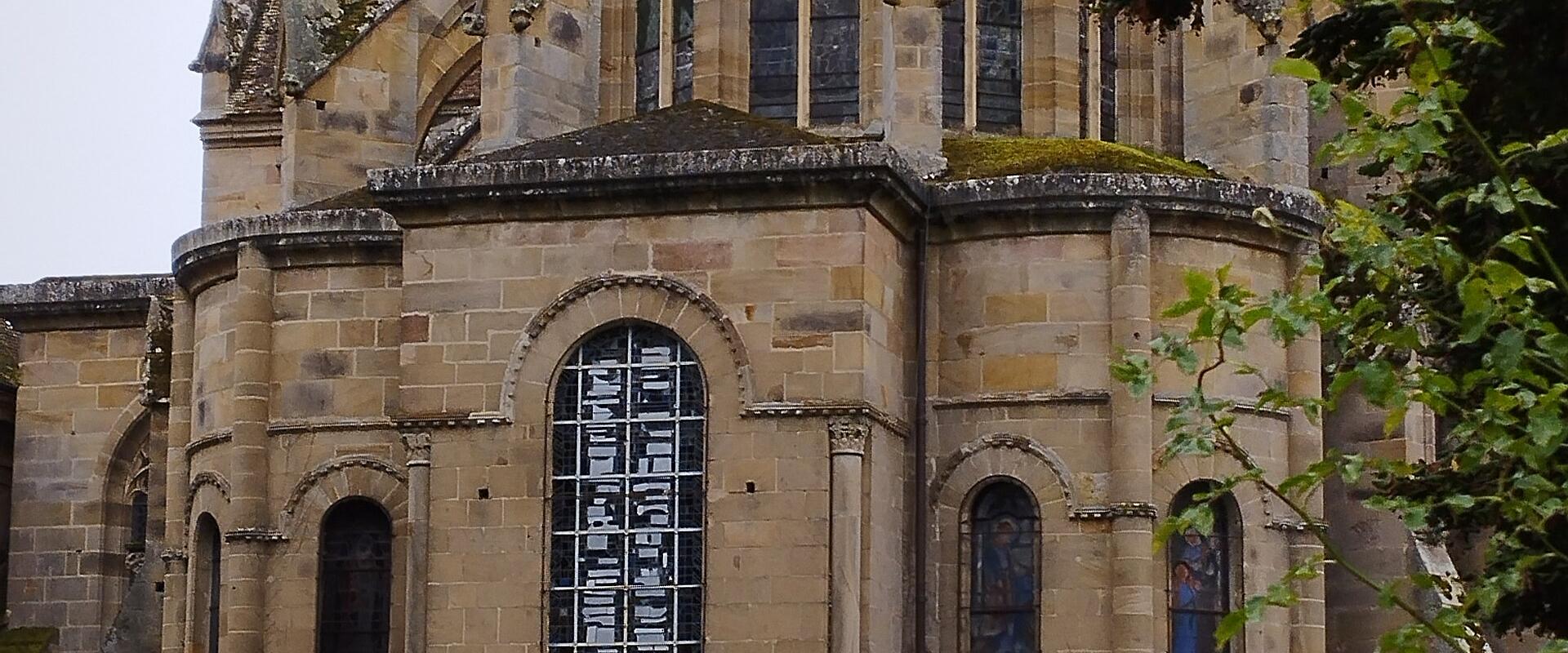
Souvigny stands in the Bourbonnais, a region of low hills and green farmland in the centre of France, in the department of Allier. It is about 1,700 inhabitants spread over a commune of more than forty square kilometres, much of it open countryside. The altitude is modest, around 240 metres, and the landscape is made of meadows, hedges, small woods and scattered villages, with cattle in the fields. Moulins, the departmental capital, is a short drive to the north-east.
The Bourbonnais gave its name to the House of Bourbon, the dynasty that eventually produced the kings of France from Henry IV onwards. Before Moulins became the seat of the dukes, Souvigny was the centre of their territory, and the town still carries the marks of that role. The Bourbon lords gave generously to the priory, and the family chose it as a burial place.
The priory was founded in the tenth century and given to Cluny, the Burgundian abbey that led the reform of western monasticism. Under the abbots Mayeul, who died here in 994 while travelling, and Odilon, who died in 1049, the house grew in importance. Both abbots became saints, and their tombs attracted pilgrims for centuries. The shrines were damaged in the Revolution, and the exact location of the tombs was forgotten until archaeologists found them in 2001 and 2002. Today the sepulchres can be seen in the priory church, together with other tombs from the Middle Ages.
The Église Saint-Pierre-et-Saint-Paul is a large building that combines several periods. The oldest parts, from the eleventh and twelfth centuries, are Romanesque, with the rounded arches and strong walls typical of Cluniac churches, and with a style that draws on the traditions of Auvergne, Berry and Burgundy. In the fifteenth century, after damage, the nave was rebuilt in a plainer Gothic style, and that is what gives the interior its broad, light character. The church holds the tombs of the dukes of Bourbon, including Charles I and his wife Agnes of Burgundy, whose monument is among the best of the late medieval period. Among the other features are carved capitals, old woodwork and objects connected with the saints. A museum in the town, with sculpture and objects from the priory, helps explain the history, though you should check its opening times before you go.
The old town around the church is small but pleasant, with timber-framed houses, a main square and cafés where it is easy to spend a slow afternoon. A weekly market brings farmers from the surrounding countryside, selling local cheese, charcuterie and vegetables.
Souvigny works well as part of a longer tour of the Bourbonnais. Moulins, a short distance away, has a cathedral with a famous medieval triptych known as the Moulins Master's triptych, the old ducal castle and a museum of costume and stage design. The spa town of Vichy lies to the south-east, and the vast oak forest of Tronçais, with some of the finest trees in Europe, is to the west. The Romanesque churches of the region and the villages of the Allier valley reward careful visits.
The countryside is gentle and suited to cycling and walking, with quiet lanes and marked trails around the commune. The Bourbonnais is also known for its pastures, and for Charolais cattle, the white beef cattle that graze across it. Local cuisine includes pâté aux pommes de terre, a potato pie, and cheeses and wines from the region.
Souvigny has no station of its own, so most visitors arrive by car, and Moulins is the nearest railway station with direct links to Paris and Lyon. The best months are May to September, when the days are long, the sites are open and the weather is warm. Early autumn is pleasant and quiet, and the church is at its most atmospheric when the light falls low across the nave. Winter is cold, and some visits are restricted.
Best time to visit
May to September gives the longest days and the most open sites in the Bourbonnais countryside. September and October are mild and quiet. Winters are cold and damp, and fewer visits are offered.
What to see in Souvigny
Our picks first.
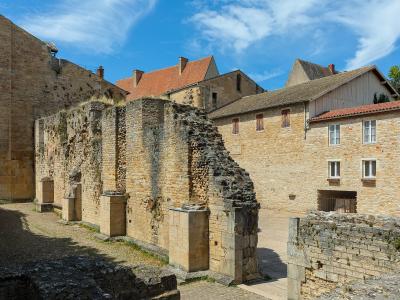
Souvigny by interest
The same sights, grouped by what you came for.
Planning a visit to Souvigny
Good to know
- Currency
- EUR
- Language
- French
Quick Facts
Book your stay
Questions people ask
More places in Auvergne
Auvergne
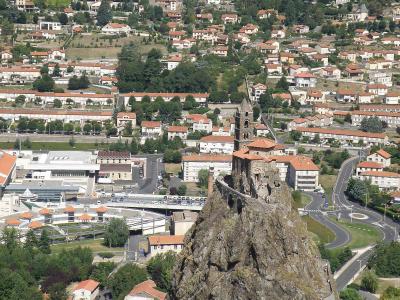
Le Puy-en-velay
Volcanic town and starting point of the Way of St. James
Auvergne
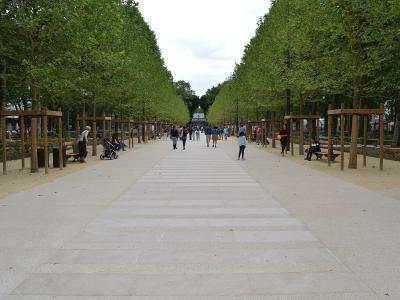
Vichy
Historic spa town on the Allier River with Belle Époque architecture
Auvergne
Clermont-ferrand
Volcanic Auvergne capital with black stone architecture and Michelin heritage
Auvergne
Salers
Medieval village on volcanic plateau known for cheese and cattle