





One Day in Poitiers
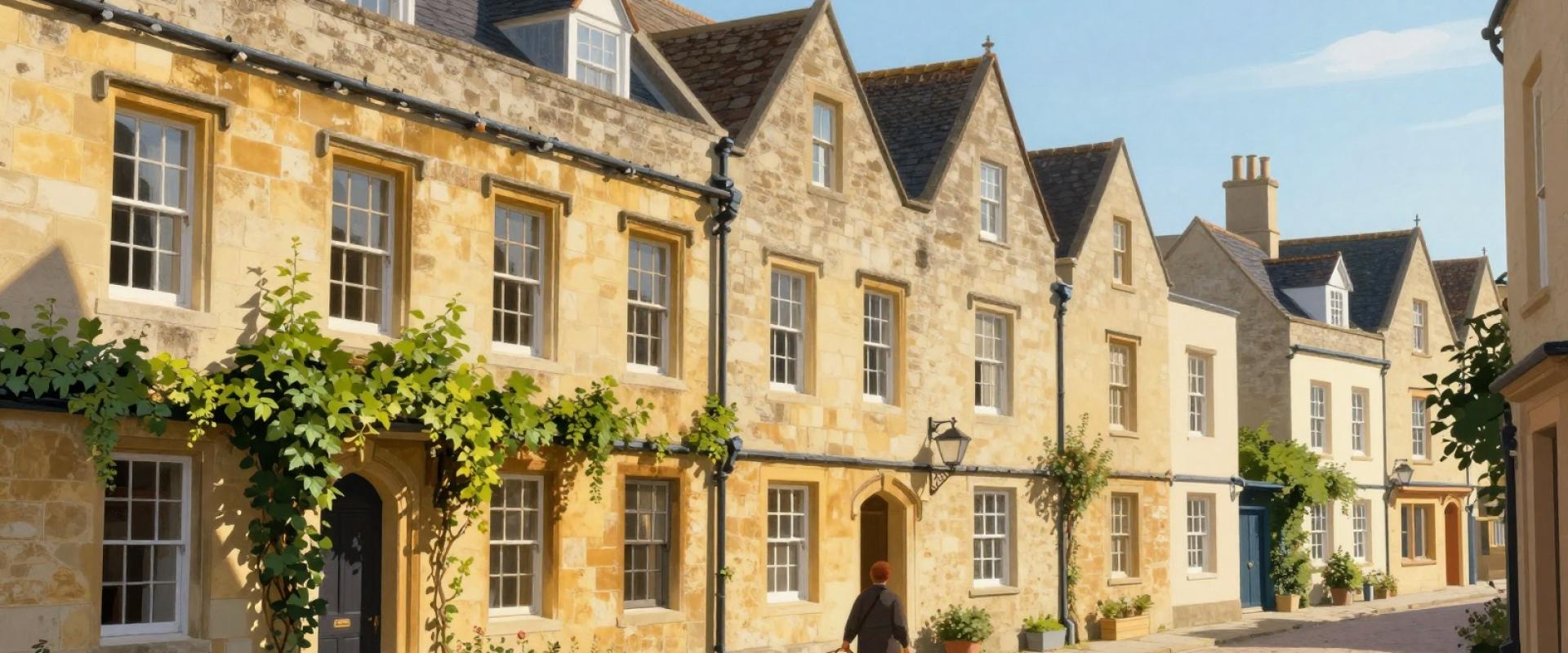
AI-generated illustration AI-generated illustration

One Day in Poitiers

Compact medieval Poitiers with Romanesque landmarks

1 day Easy difficulty Est. €83

Day 1: Medieval Heart and Gothic Splendor

A comprehensive walk through Poitiers' historic center, exploring its UNESCO-listed Romanesque churches, the unique 'trench' street, and the city's rich medieval heritage associated with Eleanor of Aquitaine.

  • 09:00

    Église Saint-Jean

    Start your day at this 4th-century Christian monument. Admire the rare Gothic frescoes and the historic baptistery, one of the oldest in France. The site offers a quiet, reflective start to the day.

  • 10:30

    Rue de la Tranchée

    Walk to this iconic historic street, famous for its leaning houses and proximity to the Palace of the Dukes of Aquitaine. It provides a glimpse into medieval urban life and architecture.

  • 11:30

    Basilica of Saint-Pierre

    Visit this masterpiece of Angevin Gothic architecture. Note the unique lack of a bell tower and the impressive interior space. It is a key example of 12th-century religious architecture in the region.

  • 13:00

    Lunch in the Historic Center

    Enjoy a traditional French lunch at a bistro near the Place du Marché. Try local specialties such as 'pâté poitevin' or fresh salads.

  • 14:30

    Musée Sainte-Croix

    Explore Poitiers' largest museum housed in a striking 1974 Brutalist building. The collection spans from prehistoric times to the 19th century, featuring significant archaeological finds and art.

  • 16:30

    Promenade along the Clain River

    Relax with a leisurely walk along the banks of the Clain River. Enjoy the views of the water mills and the modern cityscape contrasting with the historic center.

  • 18:00

    Dinner at a Local Brasserie

    End your day with dinner at a cozy brasserie in the city center. Sample regional wines and classic French dishes in a lively atmosphere.

Meals: Lunch at Place du Marché area , Dinner at City Center

Where to stay: Stay in the historic center (Centre Ville) near Place du Marché or Rue de la Tranchée for easy access to all major attractions on foot.

Getting around: The entire itinerary is walkable. Poitiers' historic center is compact and pedestrian-friendly. No car or public transport is needed for this specific route.

Practical Information

Poitiers is a compact, walkable city, making it an ideal destination for a single-day visit. The best times to explore are spring (April to June) and autumn (September to October), when temperatures are mild and crowds are thinner than in peak summer. Summer can be hot and busy, while winter offers a quiet, atmospheric experience but with shorter daylight hours for sightseeing. Getting to Poitiers is straightforward via train; the city is well-connected to Paris, Lyon, and Bordeaux through the SNCF network. Once in Poitiers, the historic center is best explored on foot. Key landmarks like the Église Notre-Dame-la-Grande and the Baptistery of Saint-Jean are within easy walking distance of each other. For those wishing to visit nearby attractions like Futuroscope, a bus or taxi ride is necessary, as it is located outside the city center. Public buses are efficient for longer distances within the metropolitan area. For accommodation, staying in the city center is highly recommended to maximize your time. Neighborhoods around the Gare de Poitiers and the historic quarter offer convenient access to major sites. Options range from budget-friendly hostels to mid-range hotels. If you are only passing through, consider day-use facilities or early check-in requests to secure your bag and start exploring immediately. Budget-wise, Poitiers is generally more affordable than Paris or Nice. A one-day budget should account for museum entry fees, which are often low-cost or free for students and under 26s. Dining can be economical; local bakeries (boulangeries) like Boulangerie Feuillette offer excellent, affordable lunch options. For a sit-down meal, restaurants like Memphis provide good value. Costs typically exclude guided tours and special event tickets, so plan accordingly. Pack comfortable walking shoes, as the cobblestone streets in the medieval core can be uneven. Bring a light jacket or layers, as weather can change quickly. A portable charger is useful for navigating with digital maps, and a reusable water bottle is practical since tap water is safe to drink. Essential tips include checking opening hours for churches and museums in advance, as some may close for lunch or have limited evening access. Purchase tickets online where possible to skip lines, and consider downloading offline maps to navigate the historic streets without relying on constant data connectivity.

Book your stay

More Itineraries