







- Admission
- Consult official website for specific admission
- Where
- Lisieux, Normandy
- Directions
- Directions
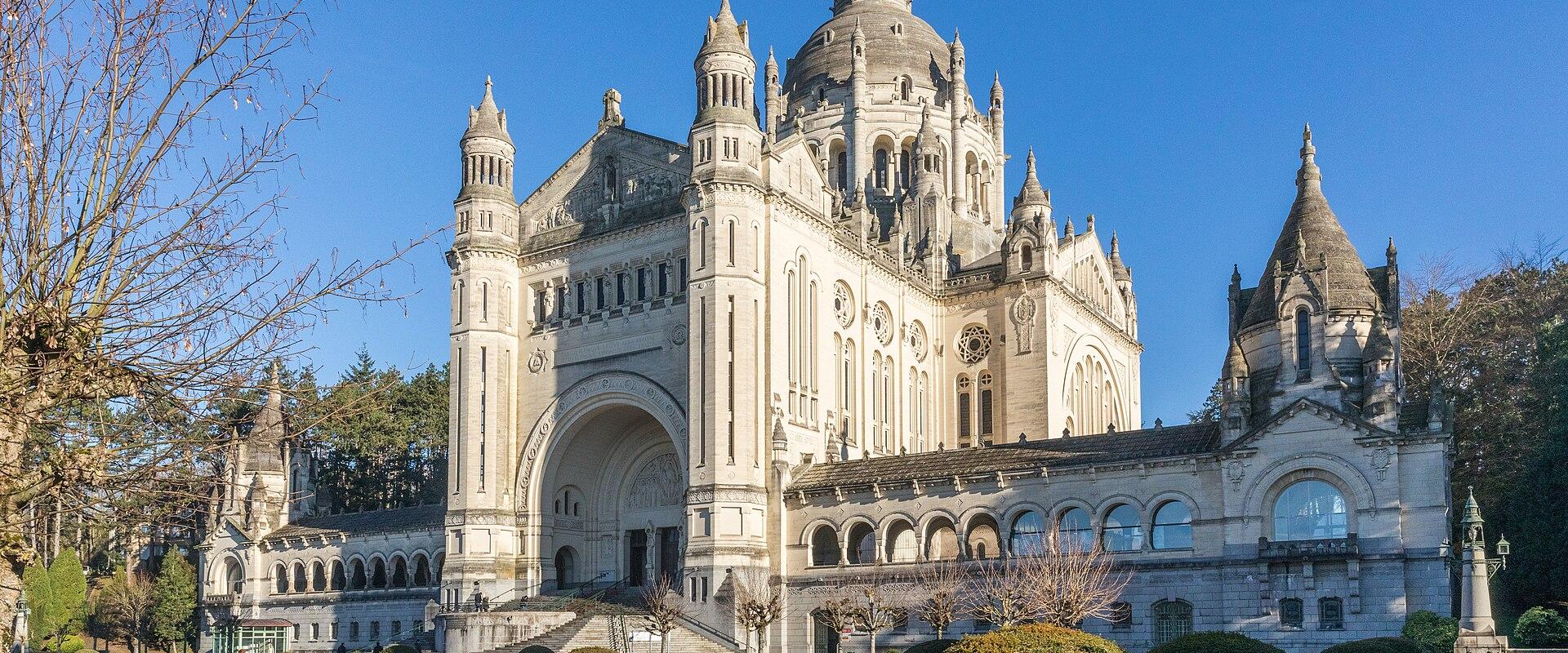
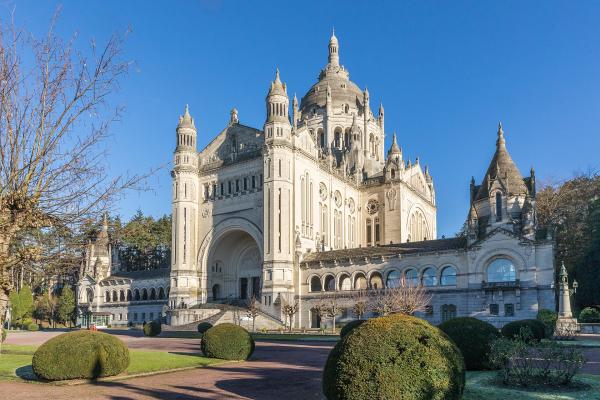
The Basilica of Saint Thérèse rises on a hillside above the Normandy town of Lisieux, a huge domed church that can be seen from far across the valley of the Touques. It was built in the twentieth century to honour Thérèse Martin, a young Carmelite nun who lived in the town in the late nineteenth century and died in 1897 at the age of twenty-four. Canonised in 1925 and later named a Doctor of the Church, she is known worldwide as Saint Thérèse of Lisieux or the Little Flower, and the basilica is one of the most important pilgrimage destinations in France.
Construction began in 1929 and the building was consecrated in 1954. It was designed by the architect Louis-Marie Cordonnier in a Romano-Byzantine style, with a central dome, a tall bell tower and a plan that recalls Byzantine churches of the eastern Mediterranean, an unusual choice for Normandy. The scale is vast. The church is more than a hundred metres long and can hold a very large congregation, often given as about four thousand people, which was necessary to receive the huge crowds that came to Lisieux after her canonisation. Lisieux suffered heavy bombing in 1944, but the basilica came through the war and was completed in the years that followed.
Inside, the dominant feature is the mosaic decoration. Colourful mosaics cover the walls, the apse and the dome, depicting episodes from the life of Thérèse and scenes from the faith that shaped her, and their gold and warm tones fill the huge space with light. The effect is quite different from the grey stone Gothic churches usual in the region. A crypt below holds additional chapels, and there are spaces for prayer where visitors can light candles. Pilgrims come from all over the world, and the atmosphere is usually calm and devout, though crowds gather on the main feast days.
The town offers more places connected with Thérèse. The Carmel, the convent where she lived as a nun, contains her relics and a chapel, and Les Buissonnets, the family home where she spent her childhood, is open to visitors. Many pilgrims also go to Alençon, where she was born. In the centre of Lisieux, the Cathédrale Saint-Pierre, a Gothic church of the twelfth and thirteenth centuries, makes a fine contrast to the basilica, and the Musée de la Vie Normande and the Parc de la Prairie provide a further look at local life.
The basilica suits pilgrims, architecture lovers and visitors exploring Normandy, who can easily combine it with a trip to the Pays d'Auge, famous for cider, calvados and Pont-l'Évêque cheese. Plan on an hour or more. Opening times and the schedule of services change with the season, so consult the official website or contact the sanctuary before you go. Dress respectfully, and keep in mind that this is a place of prayer first and a monument second.
Categories
More photos coming soon
Admission Fees
- Admission
- Consult official website for specific admission
Hours and prices change, especially out of season. Check with the venue before you go.
Nearby Attractions
Other places to visit in Lisieux
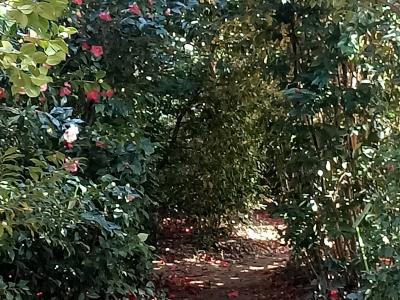
Parc de la Prairie
Public park in Lisieux, Normandy
Nature & Parks
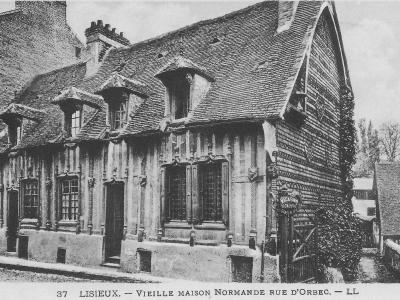
Musée de la Vie Normande
Art and history museum in a historic half-timbered house
From €2 Cultural Centers · History Museums
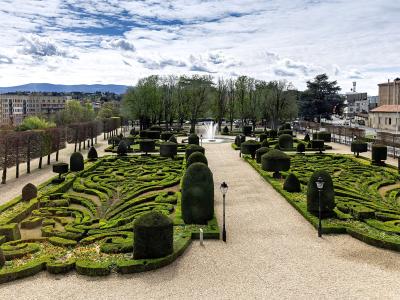
Jardin de l'Évêché
Historic French garden in Lis behind the Bishop's Palace
Free City Centers · Gardens
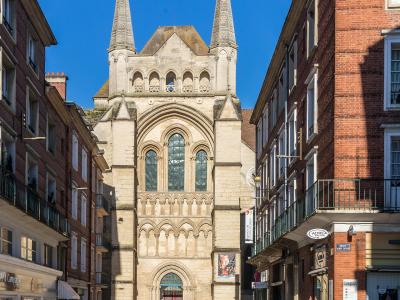
Cathédrale Saint-Pierre de Lisieux
12th-century Gothic cathedral and historical monument
Free Churches · Heritage Trails
Questions people ask
Quick Facts
Best Time to Visit
Late June to early September offers warm weather and ideal conditions for outdoor activities and sightseeing.