







Lisieux, situated in the Calvados department of northwestern France, is a city with a profound religious and cultural identity. Historically, it was a significant ecclesiastical center, serving as the seat of the Bishop of Lisieux since the 4th century. The city's importance grew during the Middle Ages, particularly under the Dukes of Normandy. However, its global recognition stems from the life of Saint Thérèse of Lisieux (1873–1897), a Carmelite nun who lived and died in Lisieux. She was born in Alençon but grew up in the family home at Les Buissonnets. Her autobiography, 'Story of a Soul,' and her 'Little Way' of spiritual humility have made her one of the most popular saints in the Catholic world. The city was heavily damaged during World War II, particularly during the Battle of Normandy in 1944, but was rebuilt with a focus on preserving its religious heritage. The construction of the Basilica of Sainte-Thérèse in the early 20th century transformed the city into a major pilgrimage site, attracting hundreds of thousands of visitors annually.
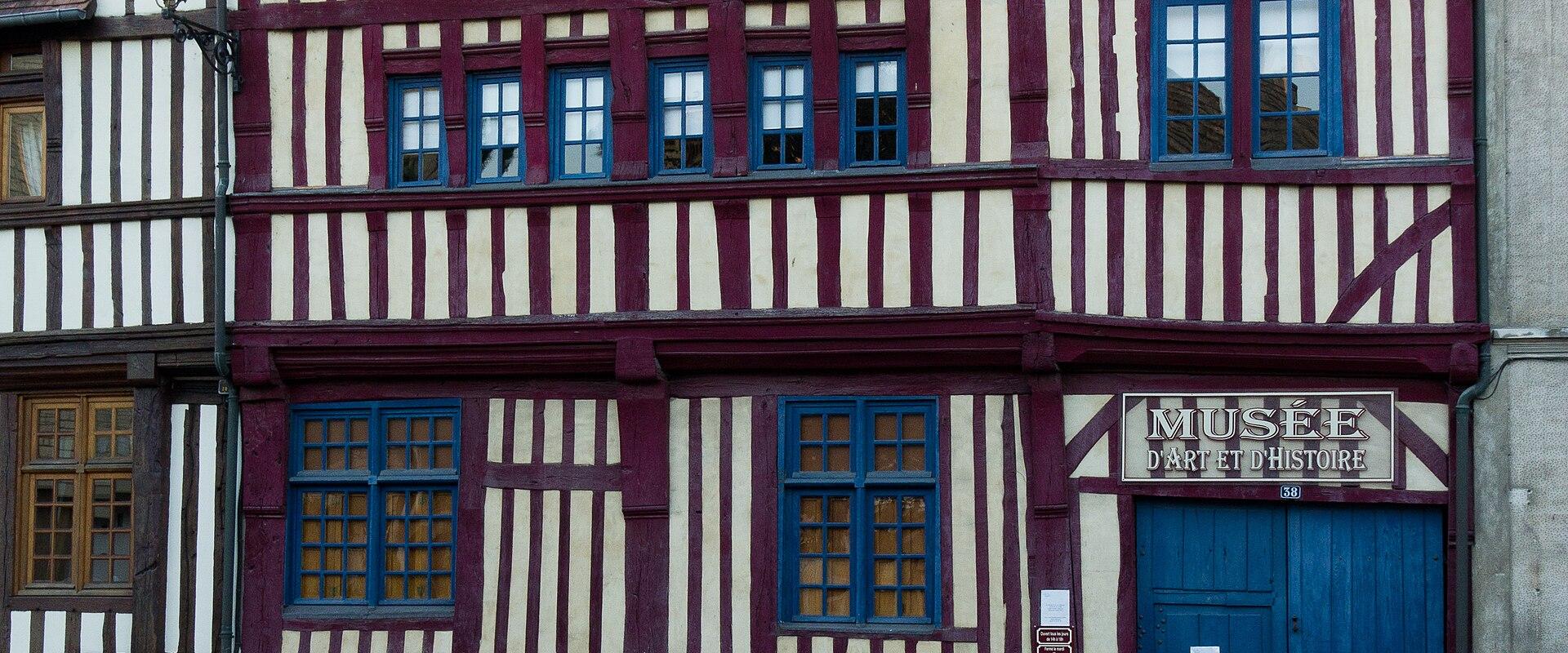
The main attractions in Lisieux revolve around its religious heritage and Norman architecture. The Basilica of Sainte-Thérèse, also called the Basilica of Saint Thérèse, is the city's most iconic landmark, featuring a large dome and intricate mosaics. It houses a reliquary of the saint, while her tomb lies in the chapel of the Carmel. The Cathedral of Saint-Pierre, a Gothic structure begun in the 12th century, is another key religious site, known for its stained-glass windows and historic organ. Les Buissonnets, the family home, is now a museum dedicated to her life and legacy. The Jardin de l'Évêché, a formal garden next to the bishop's palace, offers a peaceful retreat. The Musée d'Art et d'Histoire de Lisieux, a Musée de France, displays works by local artists and historical artifacts. The city center features half-timbered houses, including those on the Rue Saint-Pierre in the old Canonial quarter, and the Place de la République, a lively square with cafes and shops, along with the Parc de la Prairie.
Lisieux offers various activities for visitors interested in history, religion and nature. Pilgrimage tours are a central activity, with guided visits to the basilica and related sites. The city also hosts the Festival de Lisieux, a cultural festival featuring music and theater. The surrounding Calvados region is famous for its apple orchards and cider production, with many local producers offering tastings, and the Pays d'Auge cheese route leads to camembert, livarot and pont-l'évêque. The nearby town of Honfleur, with its picturesque harbor and art history, is a short drive away. The local cuisine features Norman specialties, including camembert cheese, duck confit and tarte Tatin. The city also has several parks and gardens, such as the Parc de la Prairie, offering green spaces for relaxation.
Getting to Lisieux is convenient via train, with regular services from Paris (Gare Saint-Lazare) to Lisieux station, in a little under two hours. The train station is located close to the city center, making it easily accessible, and a bus links it to the basilica. For those traveling by car, Lisieux is accessible via the A13 motorway. The best time to visit is from late June to early September, when the weather is warm and pleasant, ideal for exploring the outdoor attractions and gardens. July and August are the warmest months, with average highs around 23°C, but also the busiest due to summer tourism and pilgrimage seasons, with a peak around Thérèse's feast day on 1 October. Spring and autumn offer milder weather and fewer crowds, making them suitable for sightseeing and museum visits. Winter is cooler and quieter, offering a serene atmosphere for indoor museum visits and reflection.
Best time to visit
Late June to early September offers warm weather and ideal conditions for outdoor activities and sightseeing.
What to see in Lisieux
Our picks first.
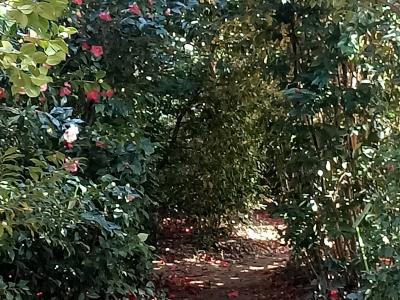
Parc de la Prairie
Public park in Lisieux, Normandy
Nature & Parks
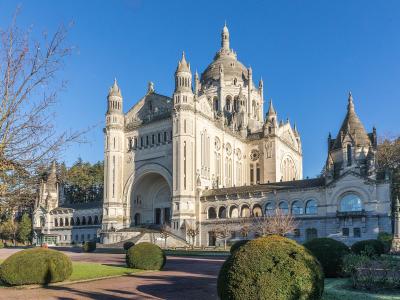
Basilica of Saint Thérèse
Neo-Byzantine basilica with 4,000-seat capacity
Historic Architecture · Museums & Culture
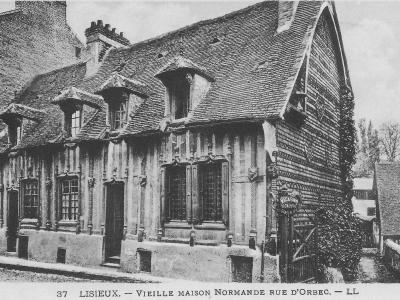
Musée de la Vie Normande
Art and history museum in a historic half-timbered house
From €2 Cultural Centers · History Museums
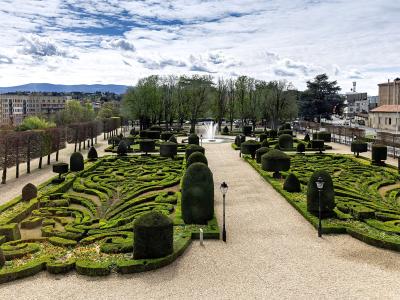
Jardin de l'Évêché
Historic French garden in Lis behind the Bishop's Palace
Free City Centers · Gardens
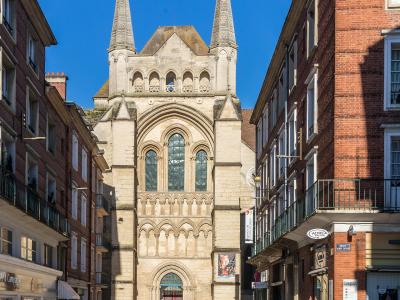
Cathédrale Saint-Pierre de Lisieux
12th-century Gothic cathedral and historical monument
Free Churches · Heritage Trails
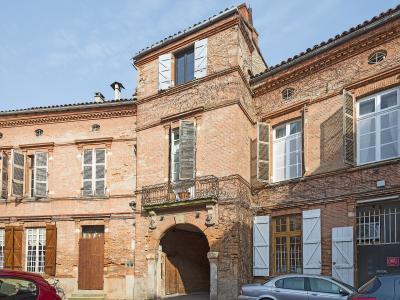
Rue Saint-Pierre
Historic street leading to the Basilica of Sainte-Thérèse
Guided Experiences · Historic Architecture
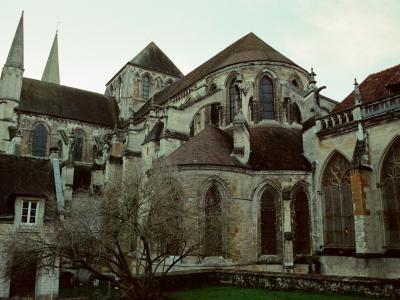
Château de la Maltournée
16th-century castle with manicured gardens
Historic Architecture
Lisieux by interest
The same sights, grouped by what you came for.
Did you know?
Checked facts about Lisieux, each with its source.
-
Notable Person
NBA Star Nicolas Batum Born in Lisieux
Professional basketball player Nicolas Batum was born in Lisieux, joining other local notable figures such as French journalist Laurent Guimier.
Source: en.wikipedia.org
Planning a visit to Lisieux
Good to know
- Currency
- EUR
- Language
- French
Quick Facts
Book your stay
Questions people ask
More places in Normandy
Normandy
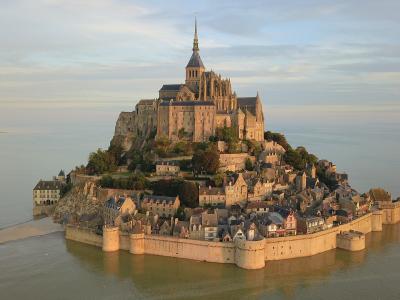
Mont-Saint-Michel
A medieval abbey on a tidal island in the bay between Normandy and Brittany
Normandy
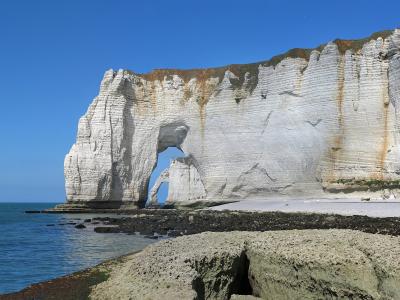
Etretat
Dramatic chalk cliffs and seaside village in Normandy
Normandy
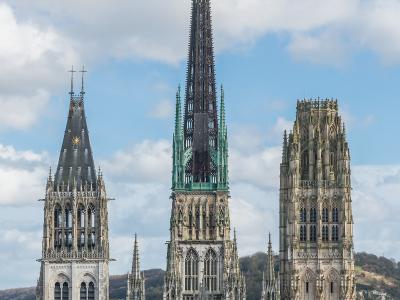
Rouen
Historic capital of Normandy with Gothic cathedral and medieval quarter
Normandy
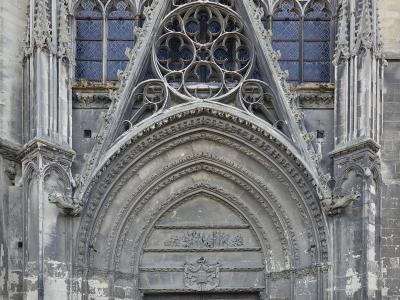
Caen
Historic Norman capital with D-Day heritage and William the Conqueror's legacy