







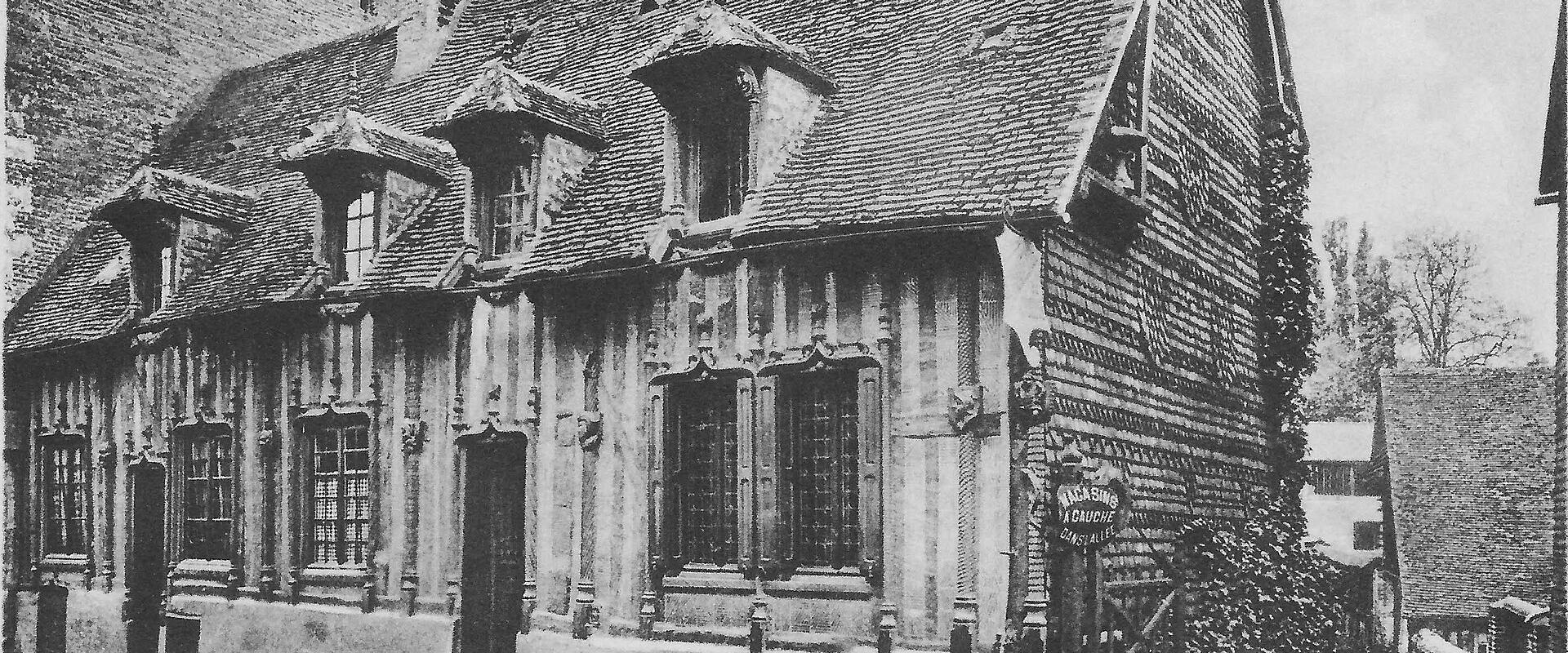
Musée de la Vie Normande
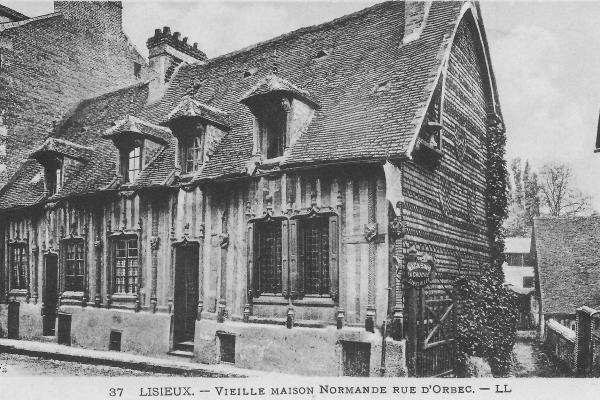
Art and history museum in a historic half-timbered house
- Admission
- €3.00 for adults, €2.00 for reduced rates
- Hours
- Closed on Mondays; open Tuesday through Sunday from 14:00 to 18:00
- Where
- Lisieux, Normandy
- Directions
- Directions
Lisieux is mostly known for the pilgrimage to Saint Thérèse, but it is also an old town in the Pays d'Auge in Normandy with a long history of its own, and its town museum is the place to find that story. The museum, on Boulevard Pasteur, is housed in a historic timber-framed building, and it presents the history of the area from Roman times to the present day through objects, paintings and photographs. It is a modest museum, easily seen in an hour, and it fills a useful role in a town where most visitors come with one subject in mind.
The story begins with the Lexovii, the Gaulish people who gave their name to the town. Under Roman rule the settlement was called Noviomagus Lexoviorum, and excavations have produced Gallo-Roman remains, including household objects, ceramics and fragments of buildings, which illustrate everyday life in the early centuries of the first millennium. In the Middle Ages the town became the seat of a bishop, and for centuries the bishops of Lisieux were powerful figures in Normandy, with their palace and cathedral at the centre of the town. One of them, Pierre Cauchon, took part in the trial of Joan of Arc in 1431 and later became bishop here. The cathedral of Saint-Pierre, a Gothic church begun in the twelfth century, is the monument that recalls this period.
Textiles formed another strand of the town's life. Lisieux and its surroundings were long known for the production of linen and wool cloth, and the trade brought wealth to merchants who built houses of timber and plaster. Displays on this subject show how cloth was made and sold, and how it shaped the town's economy and the appearance of its streets. Pottery and ceramics from the Pays d'Auge are another subject, with decorated pieces typical of the region, and the museum also shows furniture, tools and clothing from rural homes, which help to tell the story of Norman daily life.
The twentieth century brought destruction. In June and August 1944, Allied bombing during the Battle of Normandy destroyed much of Lisieux, and the town was rebuilt in the following years. A few older buildings survived, among them some timber-framed houses, and the museum's own building is part of that heritage. Photographs of the town before and after the bombing give a vivid sense of the loss and the reconstruction.
The museum is a good complement to the other places in Lisieux. The Basilica of Saint Thérèse, the Cathédrale Saint-Pierre, the garden of the former bishop's palace, the Jardin de l'Évêché, and the Parc de la Prairie are all within reach of the centre. Beyond the town, the Pays d'Auge is known for its half-timbered farms and manors, its cider and calvados, and cheeses such as Pont-l'Évêque and Livarot. The museum suits families, history enthusiasts and travellers who want a break from the pilgrim circuit. Opening days and times are limited, so check them locally before you go.
Categories
More photos coming soon
Hours & Fees
- Open
- Closed on Mondays; open Tuesday through Sunday from 14:00 to 18:00
- Admission
- €3.00 for adults, €2.00 for reduced rates
Hours and prices change, especially out of season. Check with the venue before you go.
Nearby Attractions
Other places to visit in Lisieux
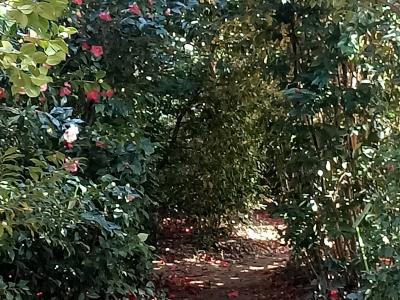
Parc de la Prairie
Public park in Lisieux, Normandy
Nature & Parks
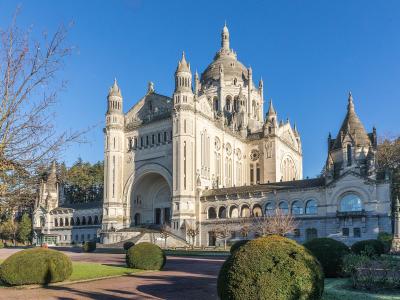
Basilica of Saint Thérèse
Neo-Byzantine basilica with 4,000-seat capacity
Historic Architecture · Museums & Culture
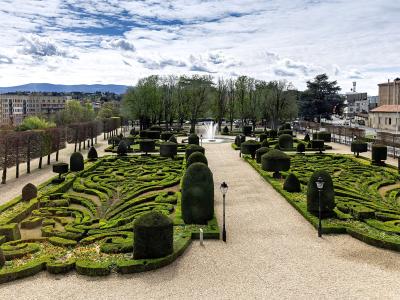
Jardin de l'Évêché
Historic French garden in Lis behind the Bishop's Palace
Free City Centers · Gardens
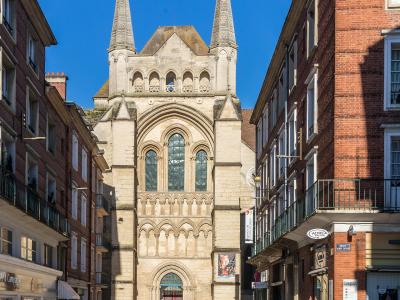
Cathédrale Saint-Pierre de Lisieux
12th-century Gothic cathedral and historical monument
Free Churches · Heritage Trails
Questions people ask
Quick Facts
Best Time to Visit
Late June to early September offers warm weather and ideal conditions for outdoor activities and sightseeing.