







- Admission
- Free entry
- Hours
- Open daily 08:00–19:00 (winter) or 08:00–19:30 (summer).
- Where
- Lisieux, Normandy
- Directions
- Directions
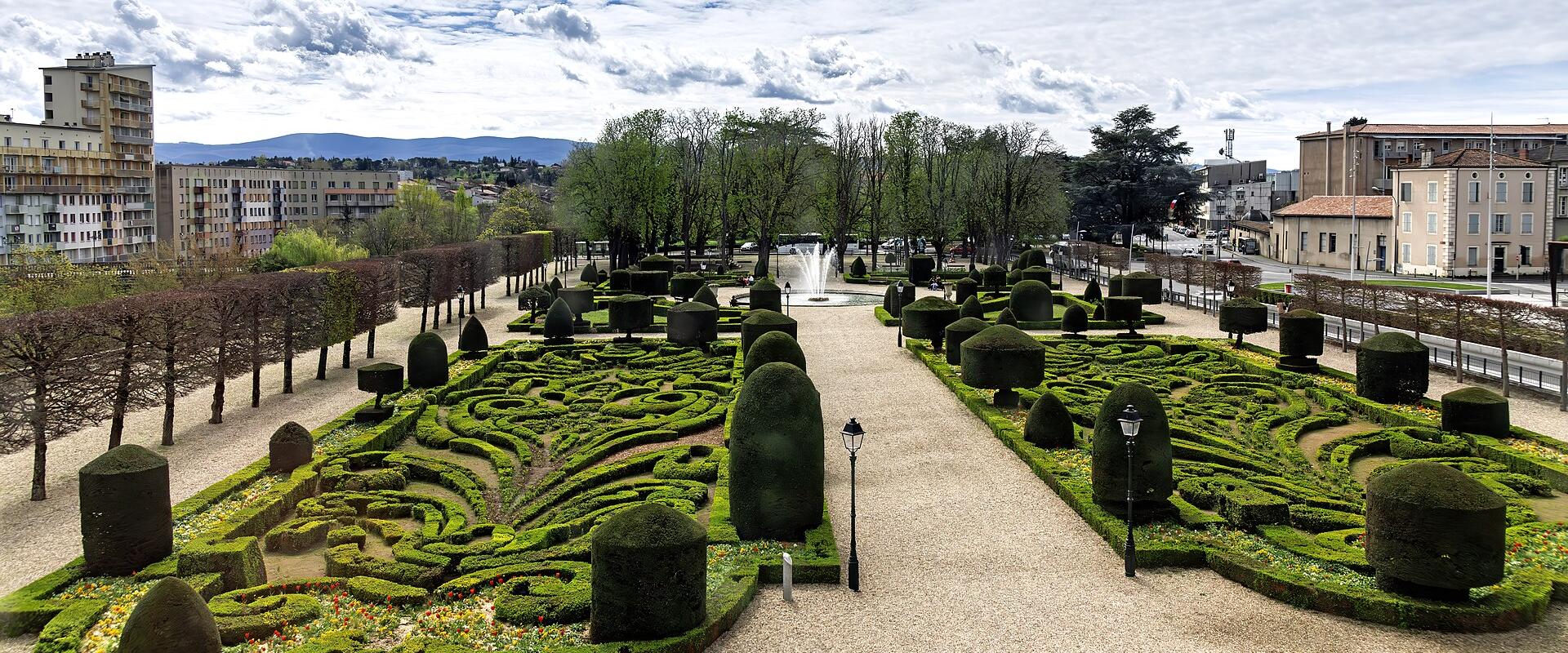
The Jardin de l'Évêché in Lisieux lies behind the former bishop's palace and beside the Cathédrale Saint-Pierre, in the quiet part of the city centre where the religious and civic buildings cluster. It is a public garden of a few thousand square metres laid out in the classical French manner, with straight paths, clipped lawns, flower beds, shade trees and a view of the cathedral's east end. The old palace, a building of the seventeenth century, once belonged to the bishops of Lisieux, who ruled one of the main dioceses of Normandy, and the garden was their private retreat before it was opened to the public.
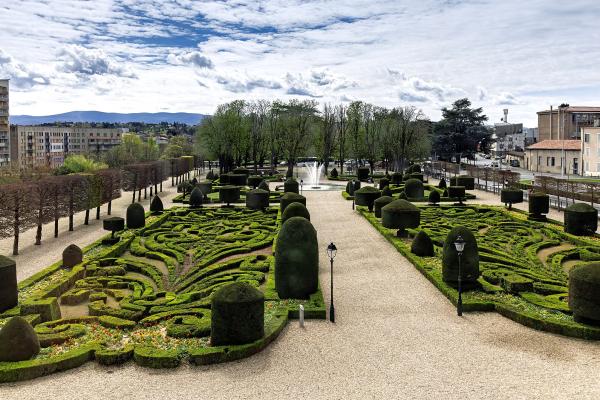
The layout follows the principles of the seventeenth-century garden, with an emphasis on symmetry and order. A formal parterre, with beds laid out in patterns, forms the central space, and avenues lead the eye toward the cathedral and the palace. Fountains add the sound of water, and seasonal flowers give changing colour through the year, from spring bulbs to summer annuals. A music kiosk, or bandstand, stands among the trees and recalls the days when town bands played on Sunday afternoons. Benches along the paths invite visitors to rest, and the shade of mature trees makes the garden a cool spot on hot days. Entry is free, and the garden is open during daylight, with hours that change slightly with the season.
The cathedral next door is worth a visit in itself. The Cathédrale Saint-Pierre was begun in the twelfth century and is one of the earliest Gothic cathedrals in Normandy, with a calm, harmonious interior in pale stone. Pierre Cauchon, the bishop who presided over the trial of Joan of Arc, later became bishop of Lisieux and is buried in the Lady Chapel that he funded, a historical irony that often surprises visitors. The streets around the cathedral have a number of old half-timbered houses, and the Rue Saint-Pierre is a good way to see them.
Lisieux is better known to many people as a pilgrimage town. Saint Thérèse of Lisieux, the young Carmelite nun who died in 1897 and became one of the best-loved saints of the Catholic church, lived here, and the Basilica of Saint Thérèse, a huge Romano-Byzantine church built in the twentieth century, draws pilgrims from around the world. The Carmelite convent and her family home, Les Buissonnets, are also visited. The Musée de la Vie Normande, the Château de la Maltournée and the Parc de la Prairie offer other places to see.
The garden suits those looking for a quiet break, families and garden lovers. Plan about half an hour to an hour, or longer with the cathedral.
Categories
More photos coming soon
Hours & Fees
- Open
- Open daily 08:00–19:00 (winter) or 08:00–19:30 (summer).
- Admission
- Free entry
Hours and prices change, especially out of season. Check with the venue before you go.
Nearby Attractions
Other places to visit in Lisieux
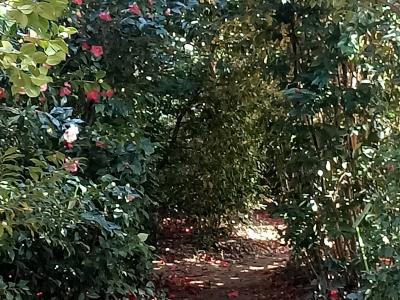
Parc de la Prairie
Public park in Lisieux, Normandy
Nature & Parks
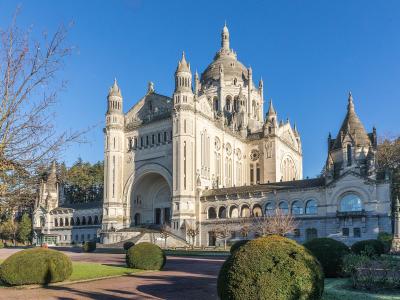
Basilica of Saint Thérèse
Neo-Byzantine basilica with 4,000-seat capacity
Historic Architecture · Museums & Culture
Musée de la Vie Normande
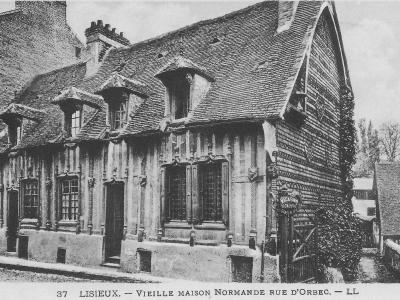
Art and history museum in a historic half-timbered house
From €2 Cultural Centers · History Museums
Cathédrale Saint-Pierre de Lisieux
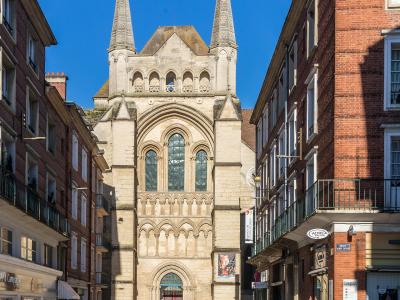
12th-century Gothic cathedral and historical monument
Free Churches · Heritage Trails
Questions people ask
Quick Facts
Best Time to Visit
Late June to early September offers warm weather and ideal conditions for outdoor activities and sightseeing.