







- Hours
- Daily 9:30 AM to 6:30 PM
- Where
- Bayonne, Aquitaine
- Directions
- Directions
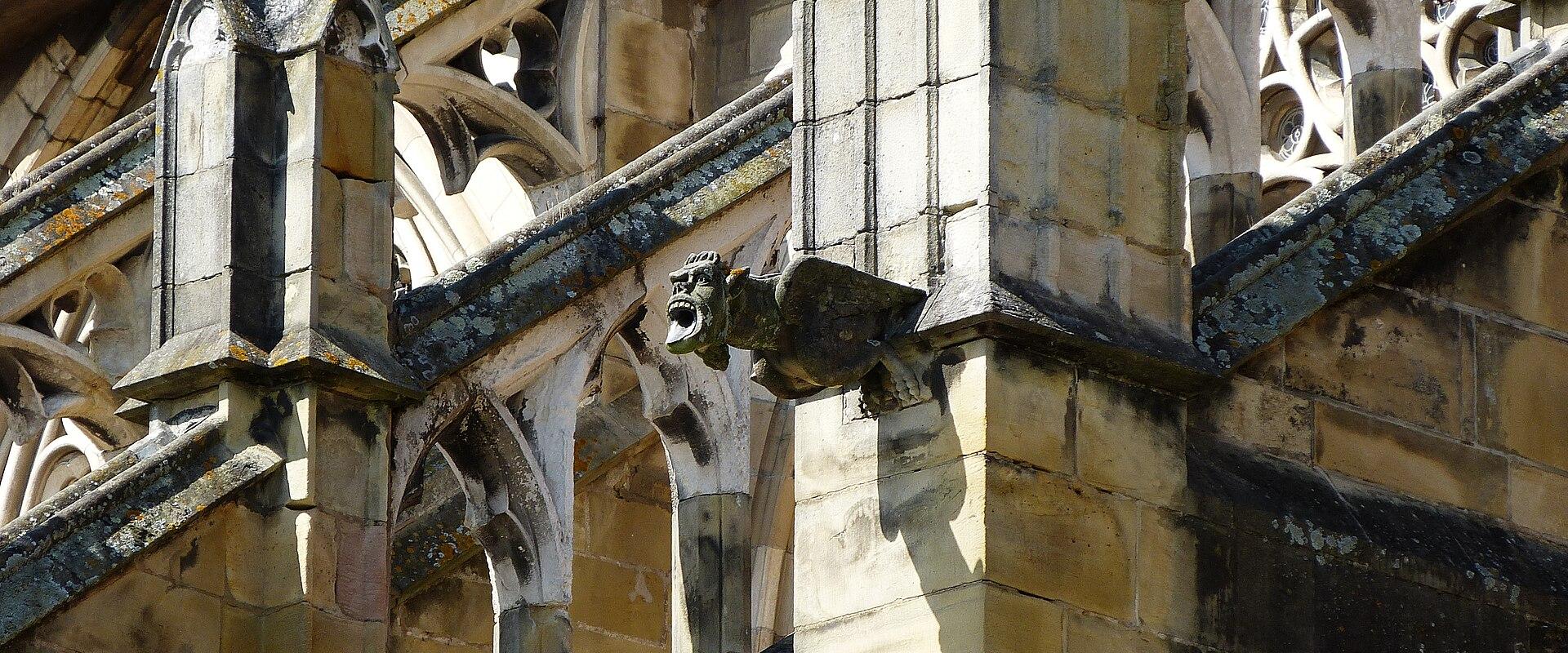
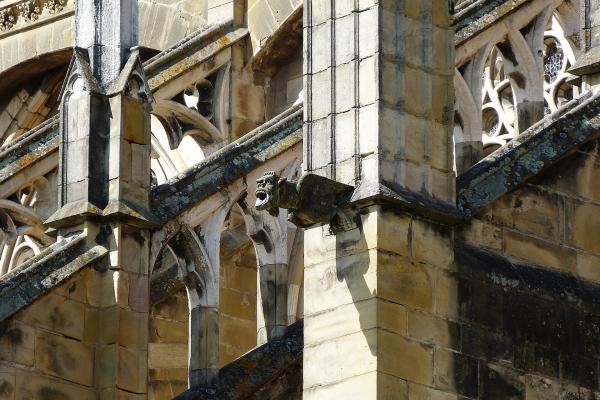
The Cathédrale Sainte-Marie of Bayonne is the great Gothic landmark of the Basque Country, a large stone church that rises over the Grand Bayonne district between the Adour and the Nive. Its two openwork spires, about eighty-five metres high, can be seen from far across the town, and they give the cathedral a silhouette that is among the most elegant of any church in south-west France. The cathedral is listed by UNESCO as part of the monuments on the pilgrim routes to Santiago de Compostela in France, as Bayonne lay on the road followed by pilgrims along the Atlantic coast.
The building belongs to the history of the English in Aquitaine. From the middle of the twelfth century until 1451, Bayonne was under the rule of the kings of England, who gained it through the marriage of Eleanor of Aquitaine to Henry II, and the building of the cathedral began in the thirteenth century during this period. The architecture follows the Gothic style of northern France, with a tall nave and elegant vaulting, and some decorative details recall English influence. The works continued for centuries, the building being completed in the sixteenth century, apart from the spires and the upper parts of the towers, which were not built until the nineteenth century. The architect Émile Boeswillwald, a pupil of Viollet-le-Duc, completed the towers in the 1870s, giving the cathedral the appearance it has today.
The interior is bright and harmonious, with a long nave, ribbed vaults and large windows. Some of the stained glass dates from the Renaissance and shows scenes from the Bible in rich colours, and other windows are modern. Side chapels, carved capitals and tombs of bishops give detail to the walls. One of the glories of the cathedral is its cloister, built in the thirteenth and fourteenth centuries, a quiet, shaded space of slender arches that offers a peaceful contrast to the busy streets outside. The cloister is entered from the south side, and it is used for concerts and exhibitions in summer.
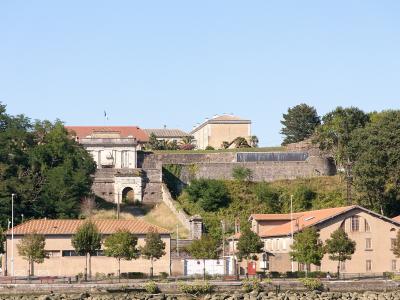
Bayonne is a lively city that rewards exploration. The Marché Central, beside the Nive, sells Basque produce including the famous ham, and the Hôtel de Ville stands on the Place de la Liberté. The Petit Bayonne, across the river, has the Musée Basque et de l'Histoire de Bayonne, which presents Basque culture, and the lively cafés along the quays. Vauban's Citadelle crowns the north bank, and the ramparts of the old town offer walks. Chocolate shops recall Bayonne's long tradition of making chocolate, and the Fêtes de Bayonne in summer fill the city with people in white and red.
The cathedral is open daily, with a break at some times of the day, and services may restrict access, so check ahead. Allow an hour, more if you visit the cloister. The visit suits architecture lovers, pilgrims and anyone who enjoys a quiet space in a lively town. Dress modestly, and note that the cloister may charge a small fee or have separate hours.
Categories
More photos coming soon
Opening Hours
- Open
- Daily 9:30 AM to 6:30 PM
Hours and prices change, especially out of season. Check with the venue before you go.
Nearby Attractions
Other places to visit in Bayonne
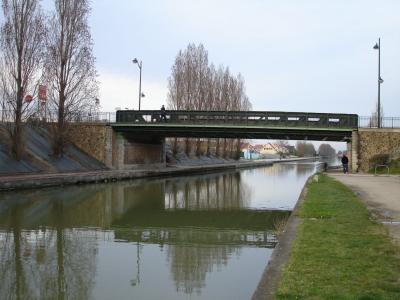
Pont de l'Europe
Modern bridge connecting Bayonne's districts
Historic Architecture
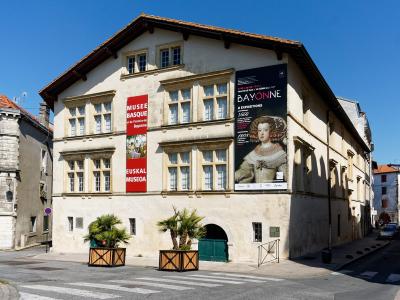
Musée Basque et de l'Histoire de Bayonne
Basque culture and Bayonne history in a 16th-century mansion
Architectural Landmarks · History Museums
La Citadelle
17th-century Vauban fortress in Bayonne
Historic Architecture

Hôtel de Ville
Neoclassical 1842 town hall and theatre
Historic Architecture · Theaters
Questions people ask
Quick Facts
Best Time to Visit
Late June to mid-September offers warm weather and ideal conditions for outdoor activities and festivals.