







- Where
- Bayonne, Aquitaine
- Directions
- Directions
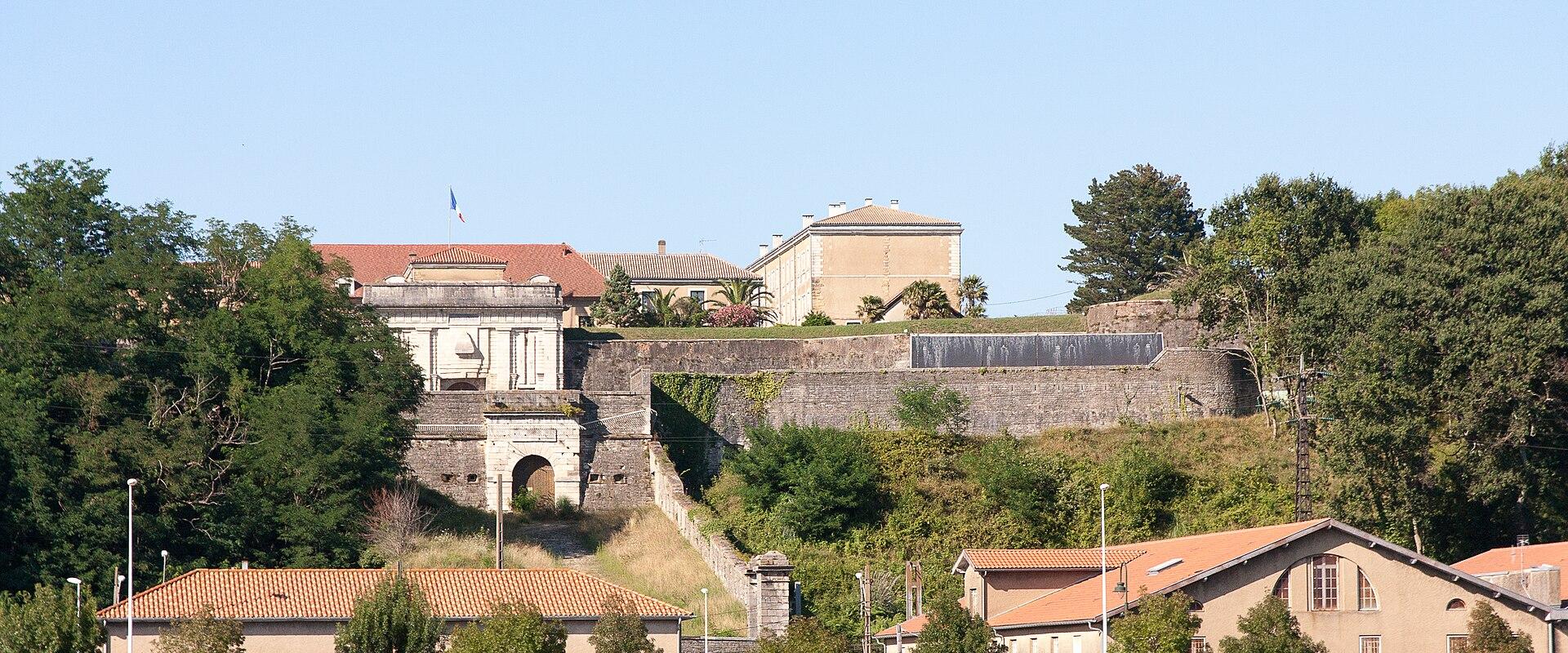
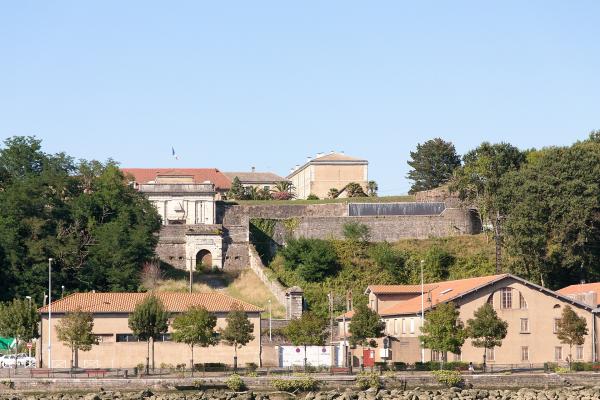
The Citadelle of Bayonne stands on the north bank of the Adour, on the Saint-Esprit hill above the district of the same name, looking back across the river to the old town. It was built to defend the city and the frontier, and its form shows the typical genius of Vauban, the military engineer of Louis XIV, who reshaped Bayonne's fortifications in the late seventeenth century. The fortress has a star-shaped plan, with bastions, thick walls and moats, designed so that no part of the approach was left without cover. It was begun around 1680 and remained a working military site for centuries.
Bayonne's strategic position explains why it needed such defences. The city stands at the meeting of the Adour and the Nive, a few kilometres from the Atlantic coast and not far from the Spanish border, and it controlled the main routes between France and Spain. It was for centuries a fortified town, with Roman walls and a medieval castle, the Château-Vieux, and later fortifications added by Vauban and his successors. The citadel on the opposite bank was part of an integrated system to protect the river and the port.
Parts of the site have remained under military use, so access to the interior can be limited, and visitors should check with the tourist office about what is open. The surrounding grounds and walls can often be enjoyed from outside, and the views from the higher points across the river to the old town and the cathedral towers are excellent. The ramparts and bastions show Vauban's engineering at close range, and the way the walls follow the contours of the hill is instructive.
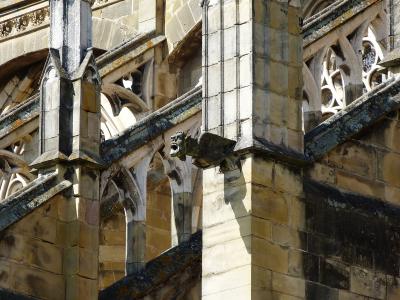
The old town of Bayonne is a short walk across the river. The Cathédrale Sainte-Marie is a Gothic church with a beautiful cloister, and the Hôtel de Ville and the Marché Central de Bayonne give a sense of everyday life. The Musée Basque et de l'Histoire de Bayonne in the Petit Bayonne is a first-rate museum of Basque culture, and the narrow streets of the Grand Bayonne, lined with half-timbered houses and arcades, are lined with chocolate shops, a speciality of the city, and cafés. The Pont de l'Europe and the older bridges are good points for views of the river.
In summer, the Fêtes de Bayonne fill the town with red and white costumes, music and processions, so plan accordingly.
The citadel suits history enthusiasts and people who enjoy fortifications. Check access and opening information in advance, and wear comfortable shoes for the slopes.
Categories
More photos coming soon
Nearby Attractions
Other places to visit in Bayonne
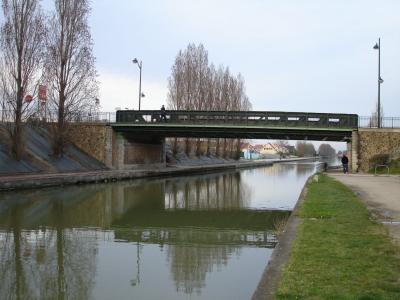
Pont de l'Europe
Modern bridge connecting Bayonne's districts
Historic Architecture
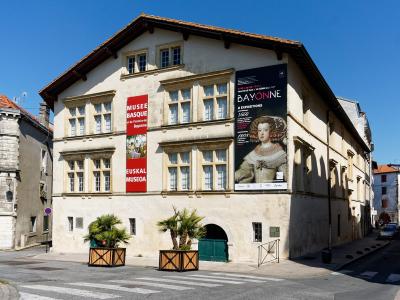
Musée Basque et de l'Histoire de Bayonne
Basque culture and Bayonne history in a 16th-century mansion
Architectural Landmarks · History Museums

Hôtel de Ville
Neoclassical 1842 town hall and theatre
Historic Architecture · Theaters
Cathédrale Sainte-Marie
Major Gothic monument in Bayonne
Historic Architecture
Questions people ask
Quick Facts
Best Time to Visit
Late June to mid-September offers warm weather and ideal conditions for outdoor activities and festivals.