







- Where
- Bayonne, Aquitaine
- Directions
- Directions
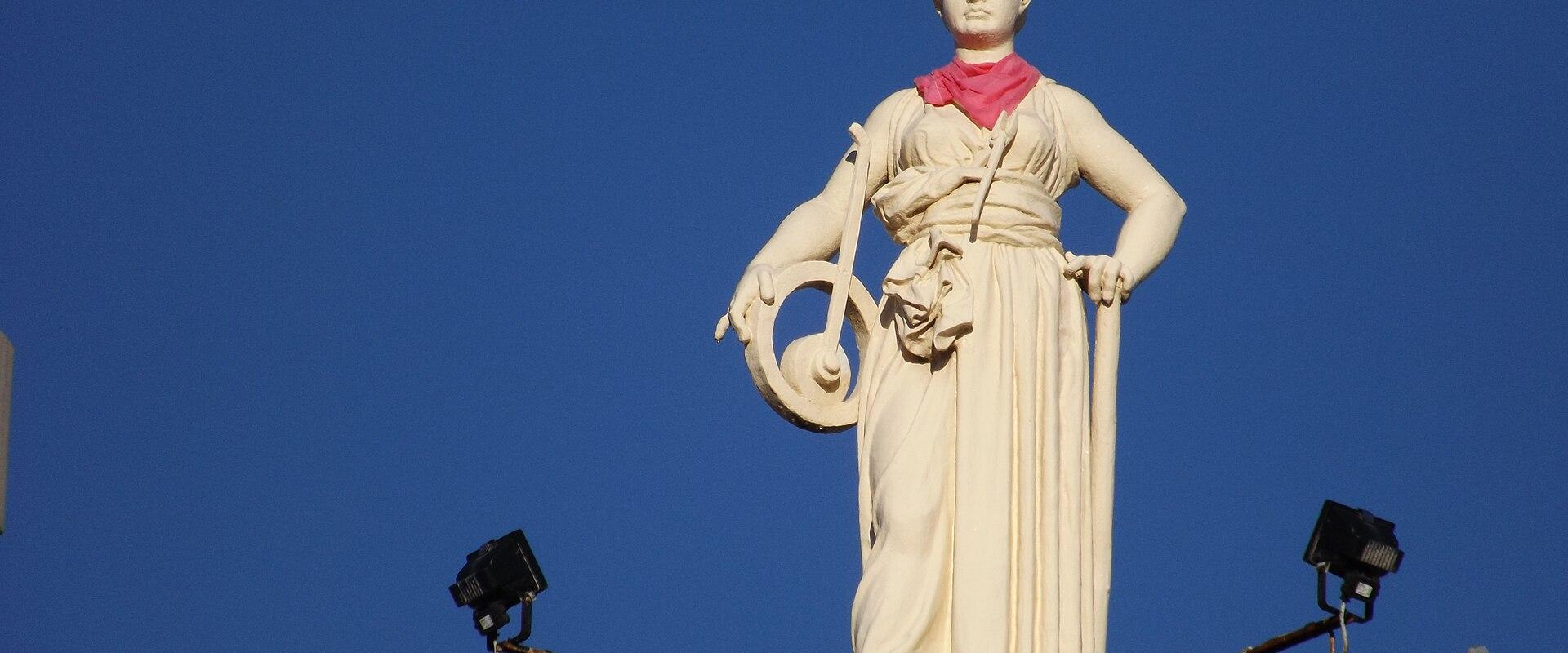
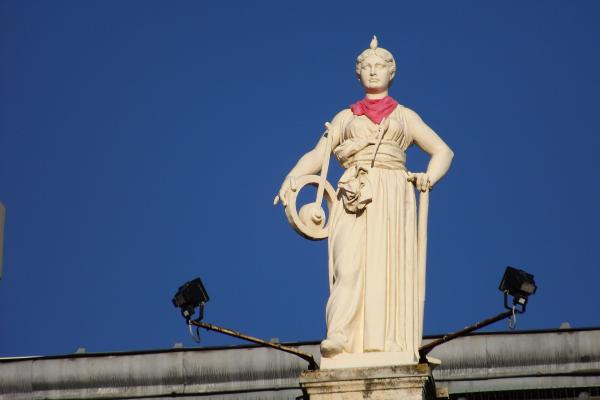
The Hôtel de Ville of Bayonne is an unusual building because it is a town hall, a theatre and a customs house in one. It stands in the Grand Bayonne district, the older part of the city on the left bank of the Nive, at the Place de la Liberté, and its pale, sober neoclassical facade gives it a prominent place in the city's centre. The complex was built in the late 1830s and opened in January 1842, replacing an old half-timbered town hall and a theatre that had occupied the site since the early eighteenth century. The architect was Nicolas Vionnois, and the building reflects the confidence of a nineteenth-century town investing in civic institutions.
The building has a square plan arranged around its functions. The theatre faces the Place de la Liberté, and the customs house, the douane, faces the River Adour, recalling the role of Bayonne as a port, while the municipal offices occupy the rest. The theatre, which now bears the name of the clarinettist and composer Michel Portal, a native of Bayonne, hosts concerts, plays and dance performances during the season. Its auditorium, in the Italian style, with tiers of boxes, gives the town a place of cultural life at the centre of civic business.
Bayonne is a lively town at the meeting of two rivers, the Adour and the Nive, in the French Basque Country. It was once an important port and fortress, and its position near the border with Spain made it strategically significant. The Citadelle, designed by Vauban, still guards the town, and the ramparts that surround the old centre are partly preserved. The Cathédrale Sainte-Marie, a Gothic building with two spires and a fine cloister, rises over the Grand Bayonne, and the Petit Bayonne, on the other side of the Nive, holds the Musée Basque et de l'Histoire de Bayonne, which tells the story of Basque culture. The Marché Central, on the banks of the Nive, is the place to buy Basque produce, including the famous Bayonne ham, and Bayonne is also known for its chocolate, a tradition said to date from the seventeenth century.
The town hall is at the centre of the Fêtes de Bayonne, the great festival held each summer, in which hundreds of thousands of people dress in white with red scarves and sashes and celebrate for five days with music, parades, bull-running and dancing. The ceremonial opening takes place in front of the building, and the Place de la Liberté becomes the stage of the celebrations. Outside festival time, the square is a quieter place for a coffee, and the buildings around it give a good sense of the city's civic pride.
The Hôtel de Ville can be admired from the outside, as the offices are a working government centre and access to the interior is limited, though the theatre welcomes audiences for performances. The tourist office can advise on guided visits and events. The building suits visitors interested in architecture, theatre and the city's history, and it is an easy stop on a walk between the cathedral and the river. A look at the facade takes only a few minutes, and the square makes a good starting point for exploring Bayonne.
Categories
More photos coming soon
Nearby Attractions
Other places to visit in Bayonne
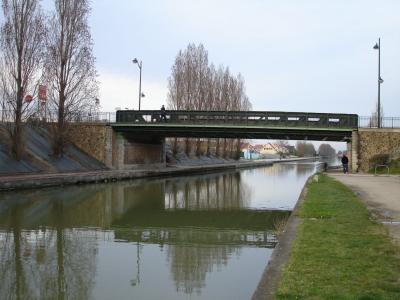
Pont de l'Europe
Modern bridge connecting Bayonne's districts
Historic Architecture
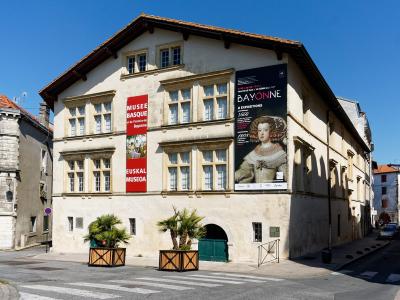
Musée Basque et de l'Histoire de Bayonne
Basque culture and Bayonne history in a 16th-century mansion
Architectural Landmarks · History Museums
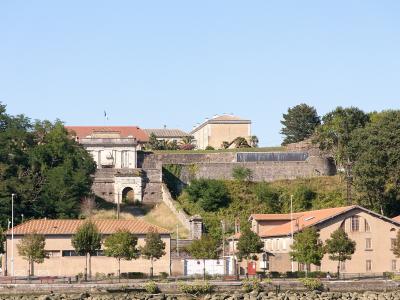
La Citadelle
17th-century Vauban fortress in Bayonne
Historic Architecture
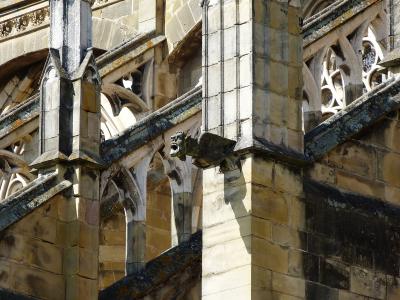
Cathédrale Sainte-Marie
Major Gothic monument in Bayonne
Historic Architecture
Questions people ask
Quick Facts
Best Time to Visit
Late June to mid-September offers warm weather and ideal conditions for outdoor activities and festivals.