







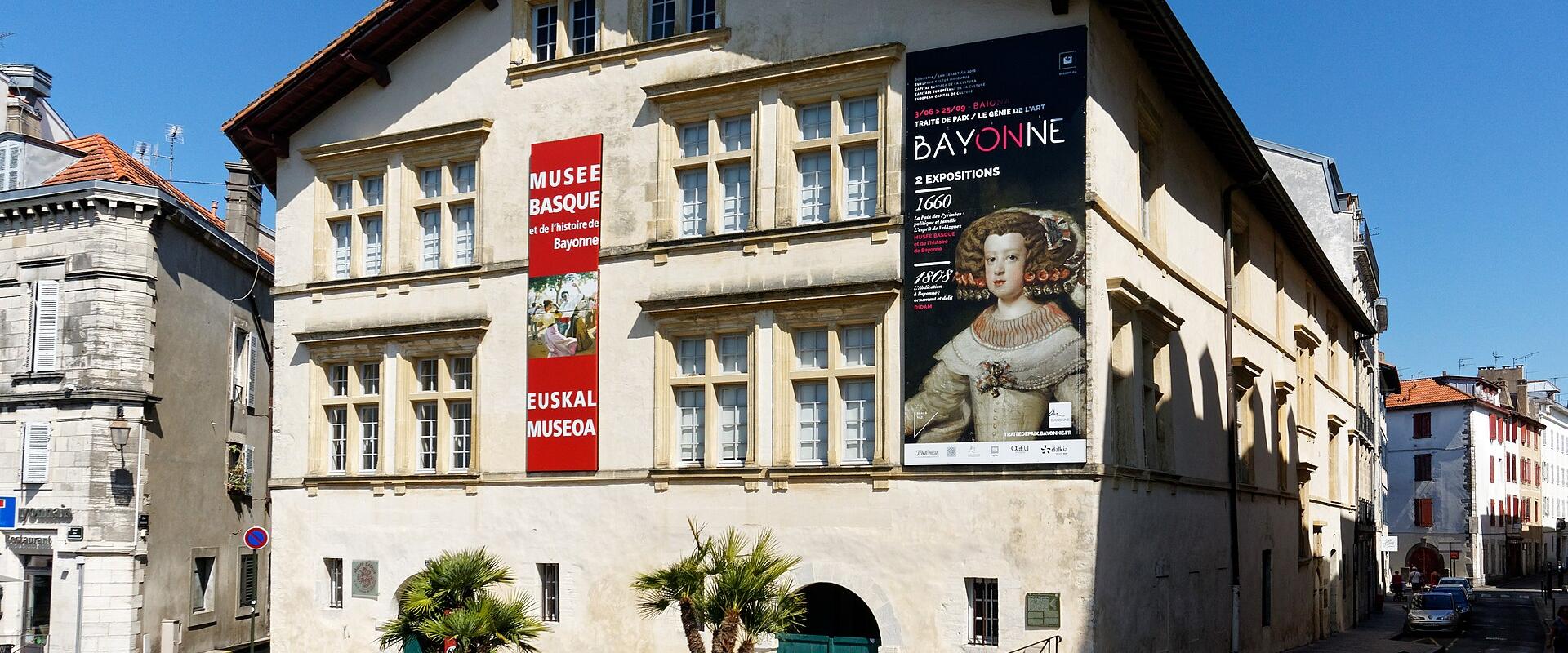
Musée Basque et de l'Histoire de Bayonne
Basque culture and Bayonne history in a 16th-century mansion
- Hours
- 10:00 to 18:00
- Where
- Bayonne, Aquitaine
- Directions
- Directions
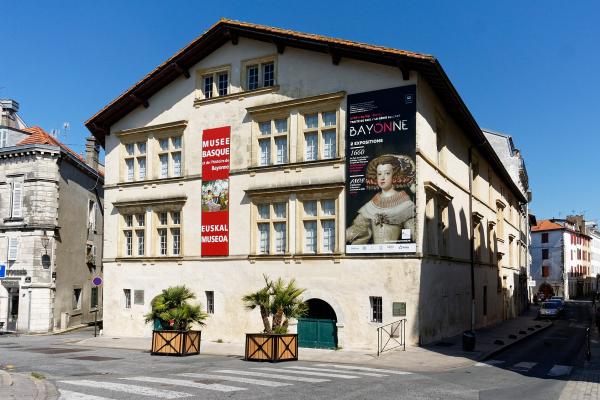
The Musée Basque et de l'Histoire de Bayonne is the main museum of Basque culture in France, housed in the Maison Dagourette, a tall merchant house on the Quai des Corsaires beside the Nive river, in the old quarter of Petit Bayonne. The building dates from the late sixteenth or early seventeenth century and ranks among the oldest in the city. Over the years it was a home for the Visitandine nuns and later a hospital, and a small opening in the wall, known as the foundling wheel, recalls the time when babies were left here anonymously. The town bought the house in the 1920s, and the museum opened in 1924.
Bayonne stands at the meeting point of the Adour and Nive rivers, a few kilometres from the Atlantic, and it has long been the commercial and cultural capital of the French Basque Country, known in Basque as Lapurdi. The museum's job is to present the culture of the Basque people, a community with its own language, Euskara, which is not related to French or Spanish, and a strong sense of identity on both sides of the Pyrenees. Spread over three floors, the displays cover rural and domestic life, crafts, shipping and fishing, festivals and religion, and regional history. The galleries show farming tools, furniture, costume, ship models, funeral steles carved in the shape of discs, and instruments used for pelota, the national ball game, as well as paintings and engravings of the region.
The collection is large. About two thousand items are on view, while the stores hold tens of thousands of objects, photographs and graphic documents that reach back to prehistoric times. This breadth makes the museum a good first stop for anyone who wants to understand the inland villages and coastal towns of the region before visiting them. Panels explain the objects in several languages, and the building itself, with its wooden staircases and beams, adds atmosphere. It is a protected monument historique and was restored in the early 2000s.
A visit takes two to three hours if you read the labels, less for a quick look. Opening times change with the season, so check them before you go.
The museum suits anyone interested in the Basque Country, families with older children and visitors who like to understand a place before exploring it. It is close to the Cathédrale Sainte-Marie, the covered market, the Hôtel de Ville and the citadel, and Bayonne's other attractions include its ham, its chocolate and the famous summer festival, the Fêtes de Bayonne, when the city turns red and white.
Categories
More photos coming soon
Opening Hours
- Open
- 10:00 to 18:00
Hours and prices change, especially out of season. Check with the venue before you go.
Nearby Attractions
Other places to visit in Bayonne
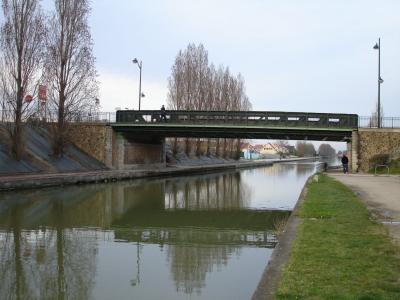
Pont de l'Europe
Modern bridge connecting Bayonne's districts
Historic Architecture
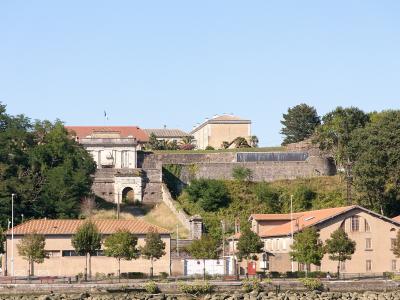
La Citadelle
17th-century Vauban fortress in Bayonne
Historic Architecture
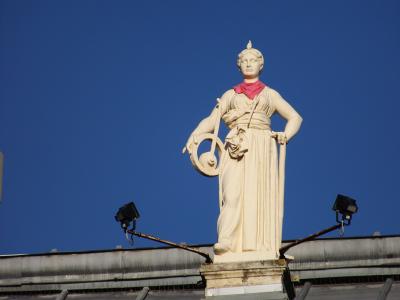
Hôtel de Ville
Neoclassical 1842 town hall and theatre
Historic Architecture · Theaters
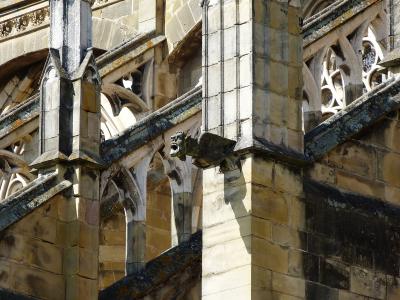
Cathédrale Sainte-Marie
Major Gothic monument in Bayonne
Historic Architecture
Questions people ask
Quick Facts
Best Time to Visit
Late June to mid-September offers warm weather and ideal conditions for outdoor activities and festivals.