







- Where
- Bayonne, Aquitaine
- Directions
- Directions
Bayonne is a city of rivers, and understanding the bridges is the key to understanding the town. Two rivers meet here, the broad Adour, flowing toward the Atlantic a few kilometres to the west, and the smaller Nive, which joins it in the middle of the city. Together they divide Bayonne into three districts: the Grand Bayonne on the left bank of the Nive, the Petit Bayonne on the right bank, and the Saint-Esprit quarter across the Adour. Bridges link these parts, and each crossing offers a different view of the town.
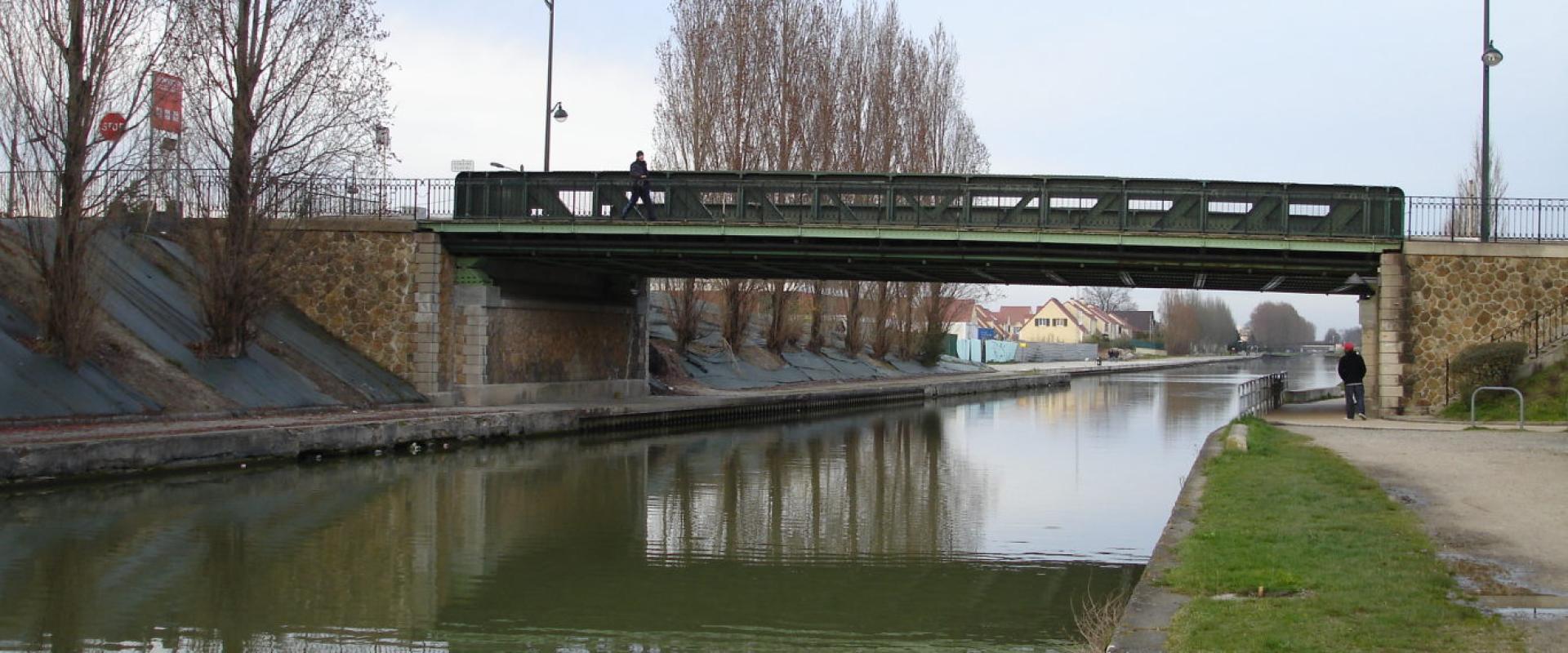
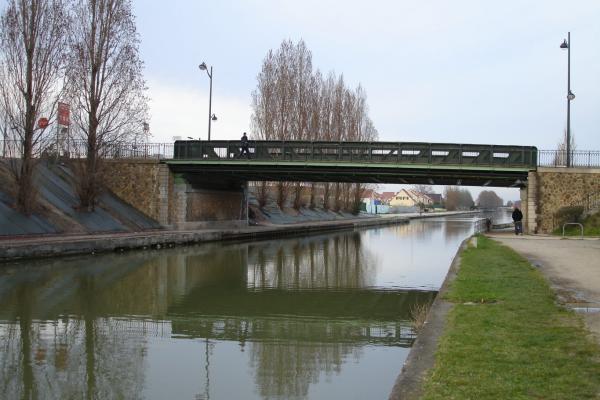
The Pont de l'Europe belongs to this network of crossings. Reliable detail about its design and history is limited, and it is a functional bridge rather than a famous monument, so it is best seen as part of the way in which the city holds together. Many visitors cross it without noticing, but the views from the bridge across the Nive repay a pause. The banks are lined with tall, narrow houses with shutters in Basque colours, red, green and white, rising straight out of the water, and in the evening their reflections shimmer on the surface. The older stone bridges, the Pont Mayou and the Pont Pannecau, offer even more picturesque scenes, and they are only a short walk away.
The old centre has a great deal to see. The Cathédrale Sainte-Marie, a Gothic church with two tall towers, is part of the group of monuments on the pilgrim routes to Santiago de Compostela that UNESCO has listed. The cloister beside it is a calm and pretty space. The Musée Basque et de l'Histoire de Bayonne, in the Petit Bayonne, is one of the best museums of Basque life in France, and the Citadelle, built by the military engineer Vauban, stands on the high ground across the Adour. The Hôtel de Ville and the covered Marché Central de Bayonne, where fish, cheese and local ham are sold, show the city's daily life.
Bayonne is known for its chocolate, which came with Jewish refugees from Spain and Portugal, and for its cured ham. In summer, the city hosts its famous festival, the Fêtes de Bayonne, when thousands of people dress in white with red scarves and fill the streets for several days of music, dancing and parades.
Crossing the Pont de l'Europe takes a minute or two, and it is best treated as part of a longer riverside walk. It suits walkers and photographers, and costs nothing. In the late afternoon, the light on the Nive is particularly attractive.
Categories
More photos coming soon
Nearby Attractions
Other places to visit in Bayonne
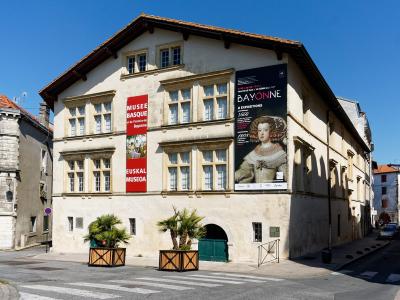
Musée Basque et de l'Histoire de Bayonne
Basque culture and Bayonne history in a 16th-century mansion
Architectural Landmarks · History Museums
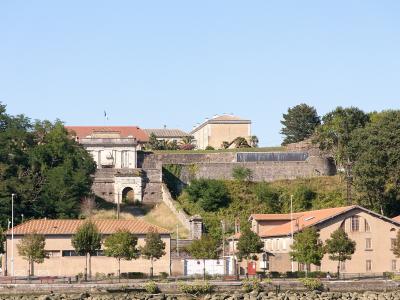
La Citadelle
17th-century Vauban fortress in Bayonne
Historic Architecture

Hôtel de Ville
Neoclassical 1842 town hall and theatre
Historic Architecture · Theaters
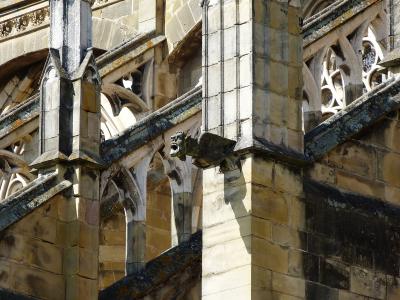
Cathédrale Sainte-Marie
Major Gothic monument in Bayonne
Historic Architecture
Questions people ask
Quick Facts
Best Time to Visit
Late June to mid-September offers warm weather and ideal conditions for outdoor activities and festivals.