




Bayonne
Basque capital with medieval ramparts and chocolate heritage
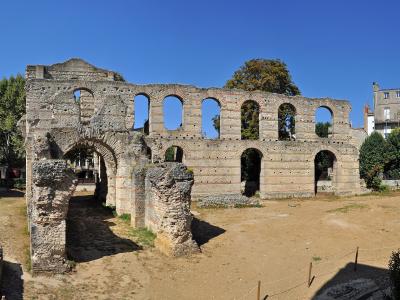
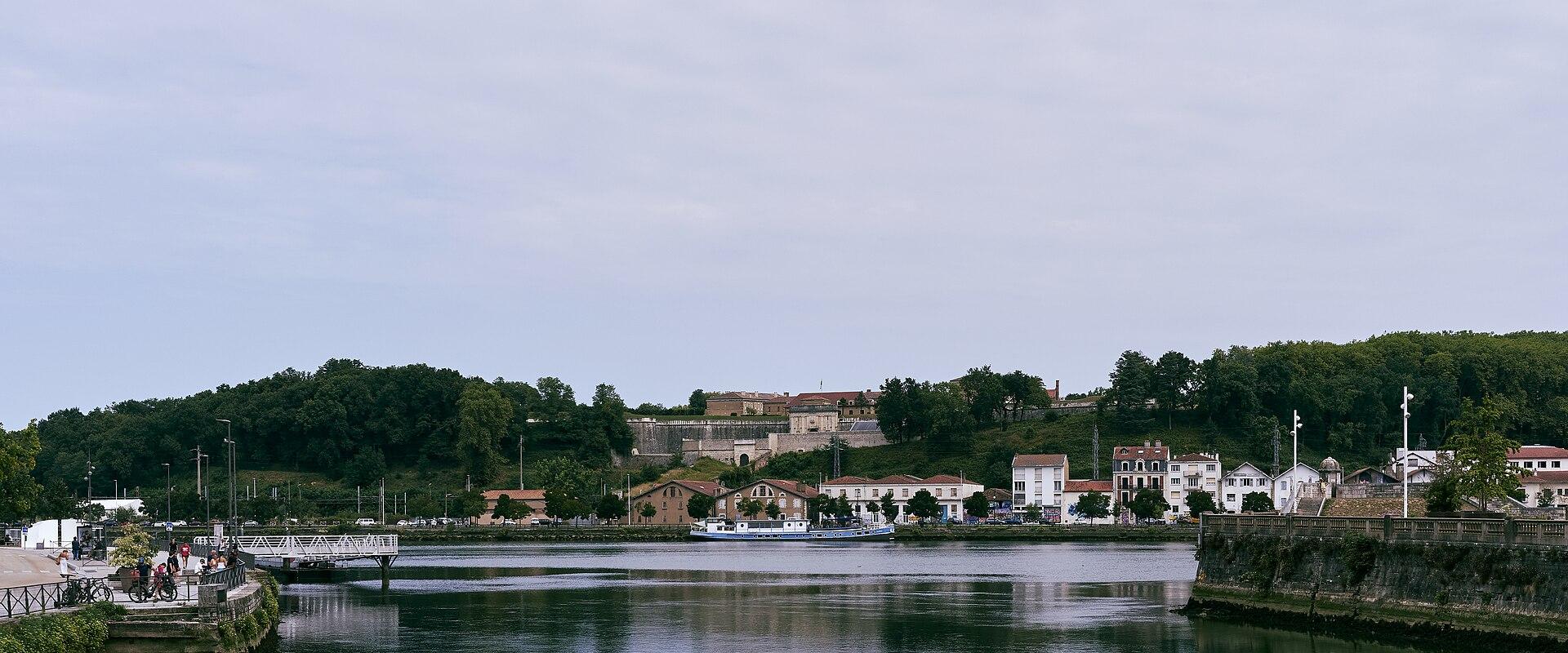
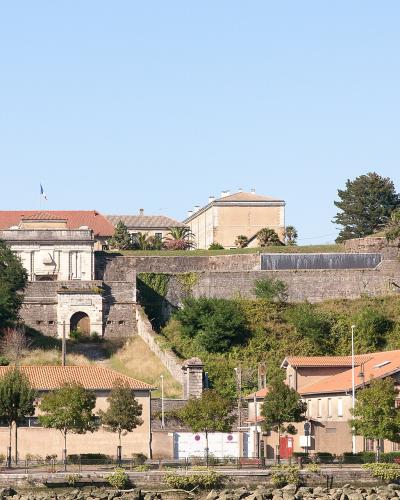
Bayonne, situated in the Pyrénées-Atlantiques department of southwestern France, is a city with a deep historical and cultural identity. Historically, it was a key port for the wool trade with England during the Middle Ages, which brought significant wealth and architectural development. The city's strategic location led to the construction of extensive fortifications, including the Vauban ramparts that still encircle the old town. Bayonne was also a center of religious tolerance during the Reformation, attracting Huguenot refugees and fostering a diverse cultural environment. The city's history is closely tied to the Basque people, and it remains the cultural heart of the French Basque Country, preserving Basque language, traditions, and customs.
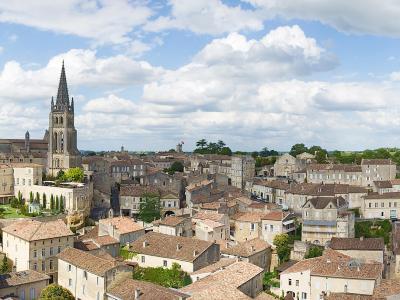
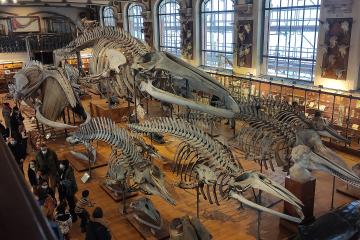
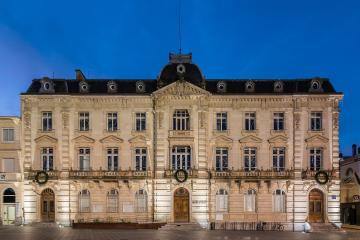
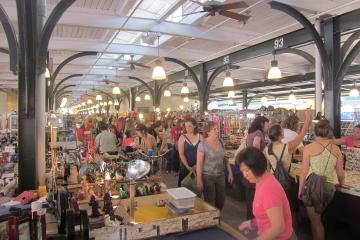
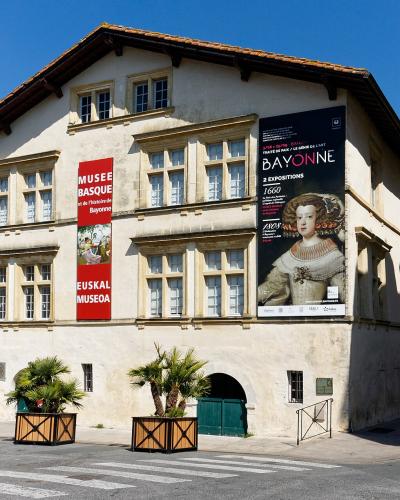
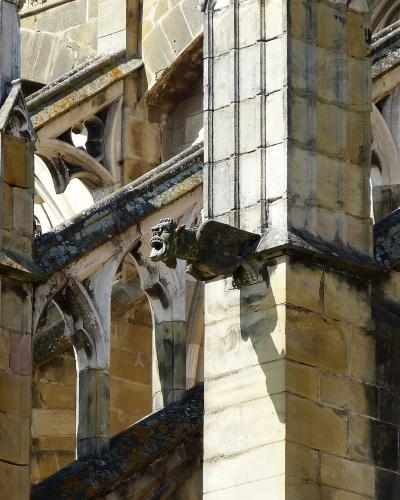
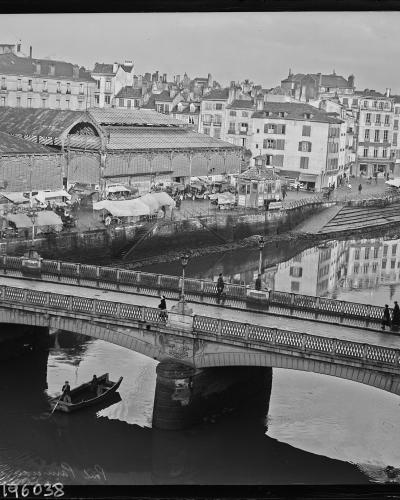
The main attractions in Bayonne reflect its medieval heritage and Basque identity. The Cathédrale Sainte-Marie, a Gothic masterpiece, is located in Grand Bayonne and features a stunning cloister and intricate stone carvings. The Château Vieux, now housing the Musée Basque et de l'Histoire de Bayonne, offers insights into Basque history, art, and traditions. The ramparts provide panoramic views of the city and the surrounding landscape. Petit Bayonne is characterized by its narrow, winding streets, half-timbered houses, and the iconic Les Halles market hall, where visitors can sample local specialties like Bayonne ham and chocolate. The Botanical Gardens (Jardin Botanique) offer a peaceful retreat with a diverse collection of plants. The city is also known for its chocolate industry, with historic chocolate houses like La Maison du Chocolat and Chocolaterie Menier offering tastings and tours.
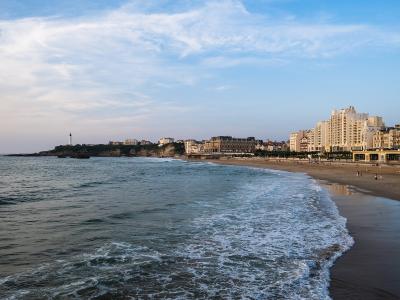
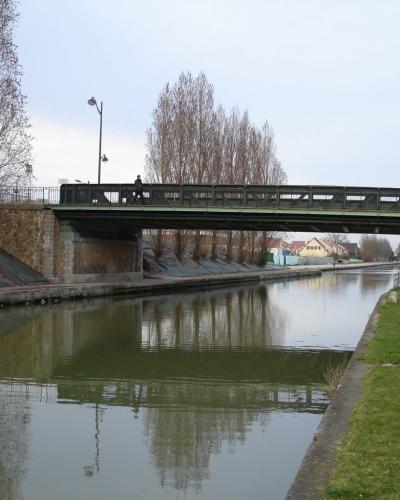
Bayonne offers various activities for visitors interested in culture, food, and history. The city hosts the Fêtes de Bayonne in August, one of the largest street festivals in Europe, featuring bullrunning, dancing, and music. The Basque Museum provides a comprehensive look at Basque life, from prehistoric times to the present. The Nive River offers opportunities for canoeing and walking along its banks. The nearby beaches of Biarritz and Hendaye are easily accessible, offering sun and surf. The city also has a vibrant culinary scene, with numerous restaurants serving Basque cuisine, including piperade, axoa, and txakoli wine. The street art scene is also growing, with murals and installations adding a modern touch to the historic setting.
Getting to Bayonne is convenient via train, with TGV services connecting it to Paris, Bordeaux, and other major French cities. The train station is located in the city center, making it easily accessible. For those traveling by car, Bayonne is connected by the A63 motorway. The best time to visit Bayonne is from late June to mid-September, when the weather is warm and pleasant, ideal for outdoor activities and exploring the city's attractions. July and August are the warmest months, with average highs around 25°C, but also the busiest, especially during the Fêtes de Bayonne. Spring and autumn offer milder weather and fewer crowds, making them suitable for sightseeing and museum visits. Winter is cooler and wetter, but offers a serene atmosphere and lower prices for accommodation. Bayonne combines historical depth, cultural richness, and natural beauty, making it a compelling destination for travelers seeking an authentic Basque experience.
Best Time to Visit
Late June to mid-September offers warm weather and ideal conditions for outdoor activities and festivals.
Plan Your Visit to Bayonne
Essential travel tips and information for your trip to Bayonne.
Suggested Itineraries
One Day in Bayonne
1 dayPerfect for a quick visit. See the main highlights and get a taste of local culture.
Extended Bayonne Experience
2-3 daysComprehensive exploration including nearby attractions and cultural experiences.
Travel Tips
Currency
EUR • Cards widely accepted
Language
French • English in tourist areas
WiFi
Free WiFi in cafes and hotels
Explore Bayonne by Interest
Discover attractions and experiences in Bayonne organized by your interests and travel preferences.

All attractions in Bayonne
Sorted by our recommendation score

Quick Facts
Book your stay
Frequently Asked Questions
More destinations in Aquitaine
Explore other amazing places in the Aquitaine region