







- Where
- Saumur, Pays de la Loire
- Directions
- Directions
Saumur sits on the south bank of the Loire at the edge of a long ridge of pale limestone called tuffeau, a soft, fine-grained stone that was quarried for centuries to build the châteaux and town houses of the Loire valley. The quarrying left behind a network of galleries, chambers and tunnels in the hillside, and over time people moved into them, stored wine in them and grew mushrooms in them. Today the caves of Saumur are a living part of the region's culture, and visiting them gives a good sense of how landscape, stone and wine are connected here.
The tuffeau caves keep a steady temperature of roughly twelve or thirteen degrees all year, and a high level of humidity, which makes them ideal for ageing wine and for mushroom cultivation. Saumur is known for its sparkling wines, made by the traditional method as in Champagne, from Chenin Blanc, Chardonnay and Cabernet Franc, and sold as Crémant de Loire and Saumur Brut. The same area produces still wines such as Saumur-Champigny, a fruity red from Cabernet Franc, and white Saumur. In the cellars, bottles rest in racks for months or years while the second fermentation develops the bubbles, and visitors can see rows of bottles stretching away in the dim light.
One of the famous names is Ackerman, founded in the early nineteenth century by Jean-Baptiste Ackerman, who set up in Saumur and became a pioneer of sparkling wine in the Loire. The cellars of the house, dug into the hillside, include long galleries and cathedral-like chambers, and visits offer an introduction to the method, from the picking of grapes to the riddling and disgorging of bottles. Other houses around Saumur offer tours and tastings, some in caves of huge size, and some combine wine with contemporary art or architecture, using the dramatic spaces for installations.
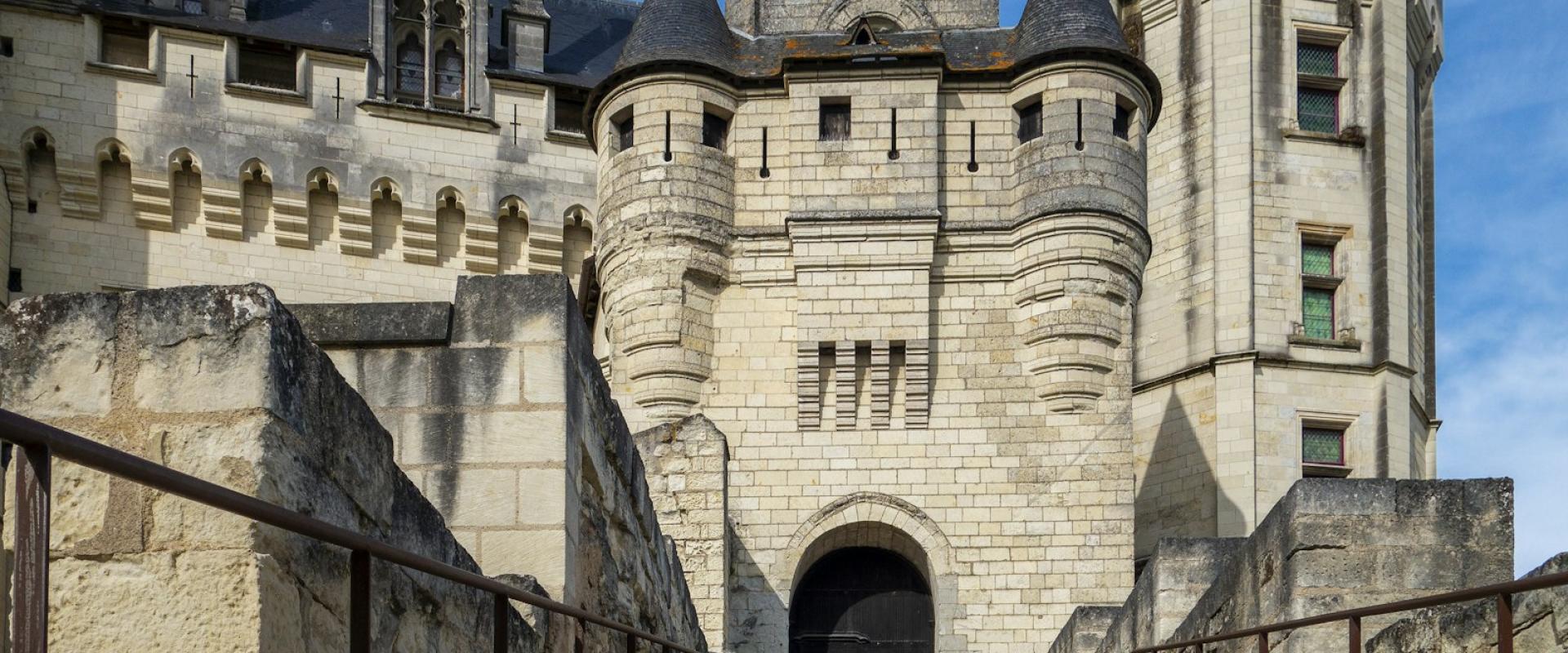
Above ground, Saumur offers a lively town with a château, the Place du Château, the Marché de Saumur and the Théâtre de Saumur. The Musée du Cheval reflects the town's equestrian tradition, which includes the famous riding school the Cadre Noir. The Vieux Saumur, the Pont de Saumur and the riverside give a taste of the old town, and in the surrounding countryside, other troglodyte villages, with homes and restaurants in caves, are worth exploring.
Visits are best in the warm months, but the caves are cool, so bring a light jacket. Many require booking or are tied to scheduled tours, so check opening times before you go. The visit suits wine lovers, curious travellers and families, and a tasting is usually part of the tour.
Categories
More photos coming soon
Nearby Attractions
Other places to visit in Saumur
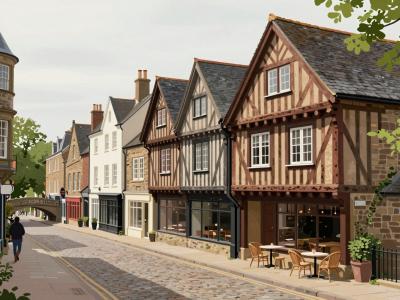
Vieux Saumur (Old Town)
14th-century ducal castle in historic old town
City Centers · Heritage Trails
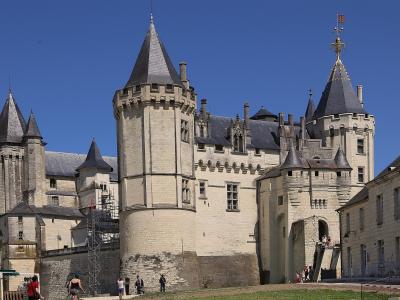
Musée du Cheval
National Equestrian Museum in Saumur's Château
From €6.50 Historic Architecture · Museums & Culture
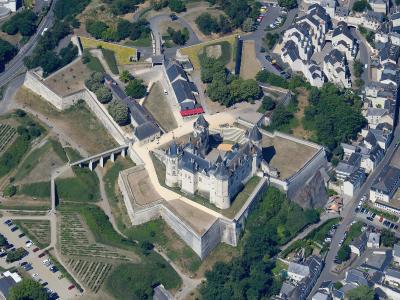
Château de Saumur
Gothic castle-museum with panoramic Loire views
From €7 Castles · History Museums
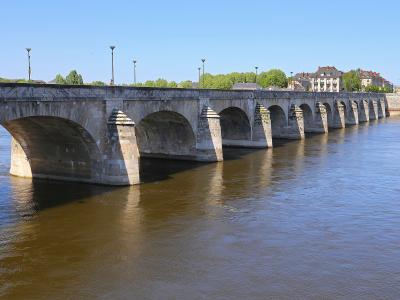
Pont de Saumur
Stone bridge over the Loire in Saumur, France
Bridges
Questions people ask
Quick Facts
Best Time to Visit
May to June and September to October offer mild weather and fewer crowds for optimal exploration.