







- Where
- Saint-emilion, Aquitaine
- Directions
- Directions
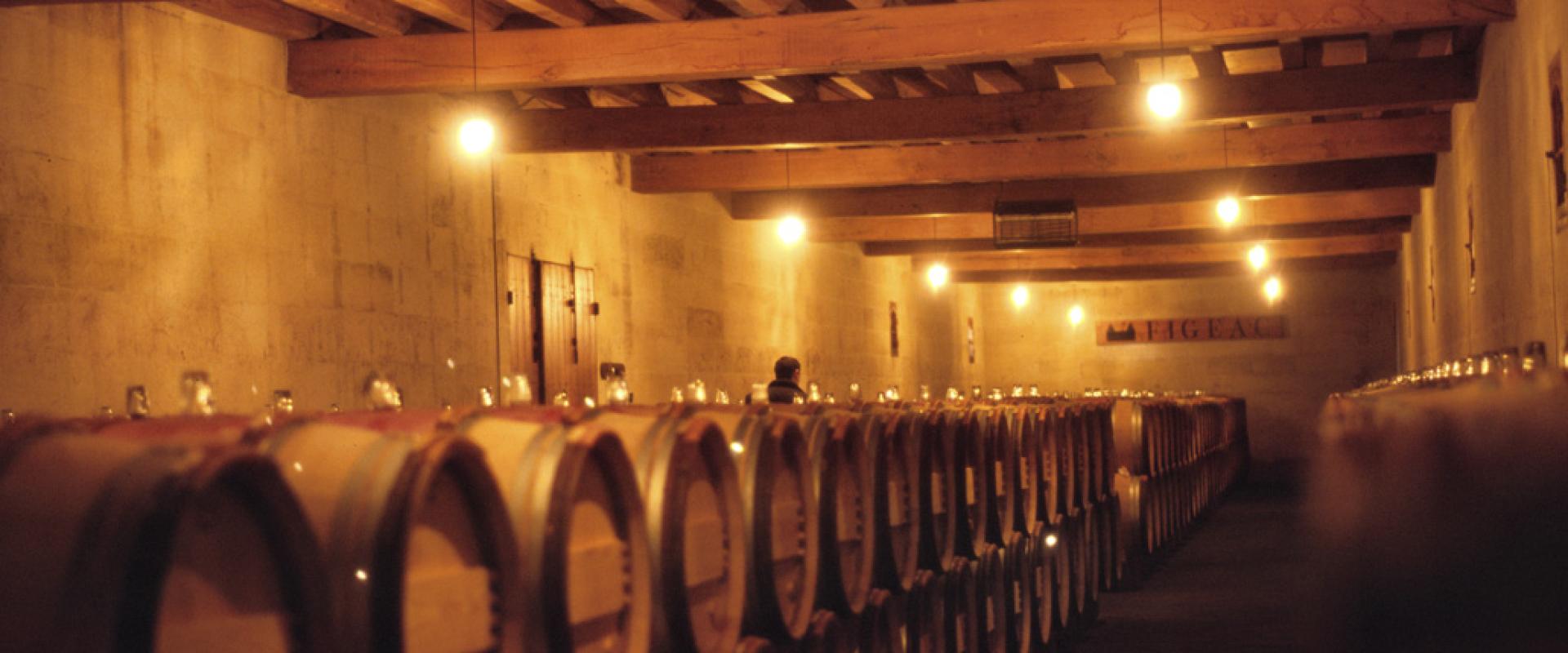
Château Figeac is one of the great names of Saint-Émilion, a wine estate on the western edge of the appellation, next to the border with Pomerol and close to its famous neighbour, Cheval Blanc. In the classification of Saint-Émilion wines, it has long ranked among the Premier Grands Crus Classés, and in the revision of 2022 it was promoted to the top level, category A, a step that confirmed what many tasters had said for decades. The estate covers about fifty hectares, of which the vines occupy a part, and is one of the largest in the appellation.
Figeac has a very old history. The name is said to come from a Gallo-Roman villa, Figeacus, that stood on the site in the early centuries of our era, and the estate was once much larger than it is today, with Cheval Blanc and other properties carved out of its land. The château in its present form dates mainly from the eighteenth century, with an elegant facade facing the park, though parts of the buildings are older. In the eighteenth century, Élie de Carle, a notable owner, was active in the life of the town and the region. For the past century and a half, the estate has been in the hands of the same family, now headed by the Manoncourt family, and Thierry Manoncourt, who ran it for much of the twentieth century and was long the leader of the Jurade de Saint-Émilion, the brotherhood of wine growers, was a respected figure in Bordeaux.
The soil is what sets Figeac apart. Most Saint-Émilion estates grow their vines on limestone plateaux or clay slopes, mainly with Merlot, but Figeac's vineyards lie on three gravelly mounds of quartz and flint over clay and sand, a terroir closer to that of the Médoc on the left bank of the Gironde. As a result, the estate plants a high proportion of Cabernet Franc and Cabernet Sauvignon alongside Merlot, an unusual blend for this part of Bordeaux, and the wine is known for its finesse, its aromatic complexity and its elegance rather than sheer power. The balance of the three varieties changes from year to year with the weather.
The estate also takes care of its environment. A substantial portion of the land is left unplanted, with woods, meadows and a park of old trees, and it forms a green island among the vineyards that helps to preserve wildlife. This approach to biodiversity is part of the estate's philosophy and gives the property a more varied look than most of its neighbours.
Figeac is a working estate and a private house, so visits and tastings are arranged by appointment, and it is wise to contact the estate in advance and to confirm what is on offer. Many visitors combine it with the other sights of Saint-Émilion, including the Cloître des Cordeliers, the monolithic church and the Tour du Roy, as well as walks through the vineyards. The estate suits serious wine enthusiasts and anyone curious about the terroir of Bordeaux's right bank, and the surrounding countryside is at its best in autumn, when the vines turn gold and red.
Categories
More photos coming soon
Nearby Attractions
Other places to visit in Saint-emilion
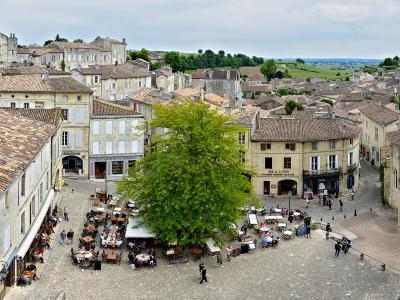
Monolithic Church of Saint-Émilion
12th-century monolithic church carved from rock
Churches · Heritage Trails
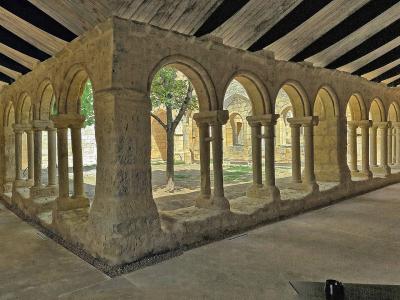
Cloître des Cordeliers
14th-century monastery with 20m deep limestone wine cellars
Food & Wine · Guided Experiences
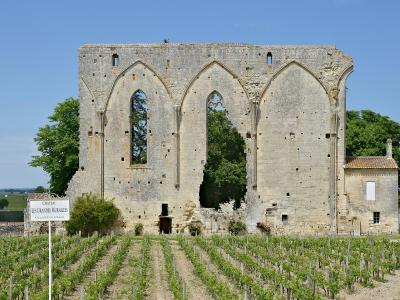
Vineyards of Saint-Émilion
UNESCO-listed medieval town and renowned Bordeaux wine re...
From €10 Food & Wine · Guided Experiences
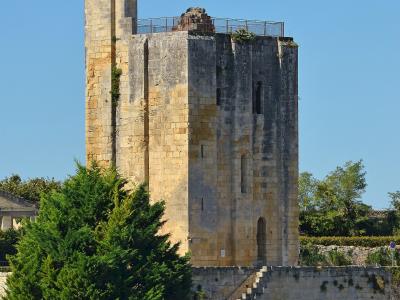
Tour du Roy
19th-century Crémant caves beneath historic tower
Guided Tours · Towers
Questions people ask
Quick Facts
Best Time to Visit
Early June to late September offers warm weather and ideal conditions for vineyard exploration and wine tasting.