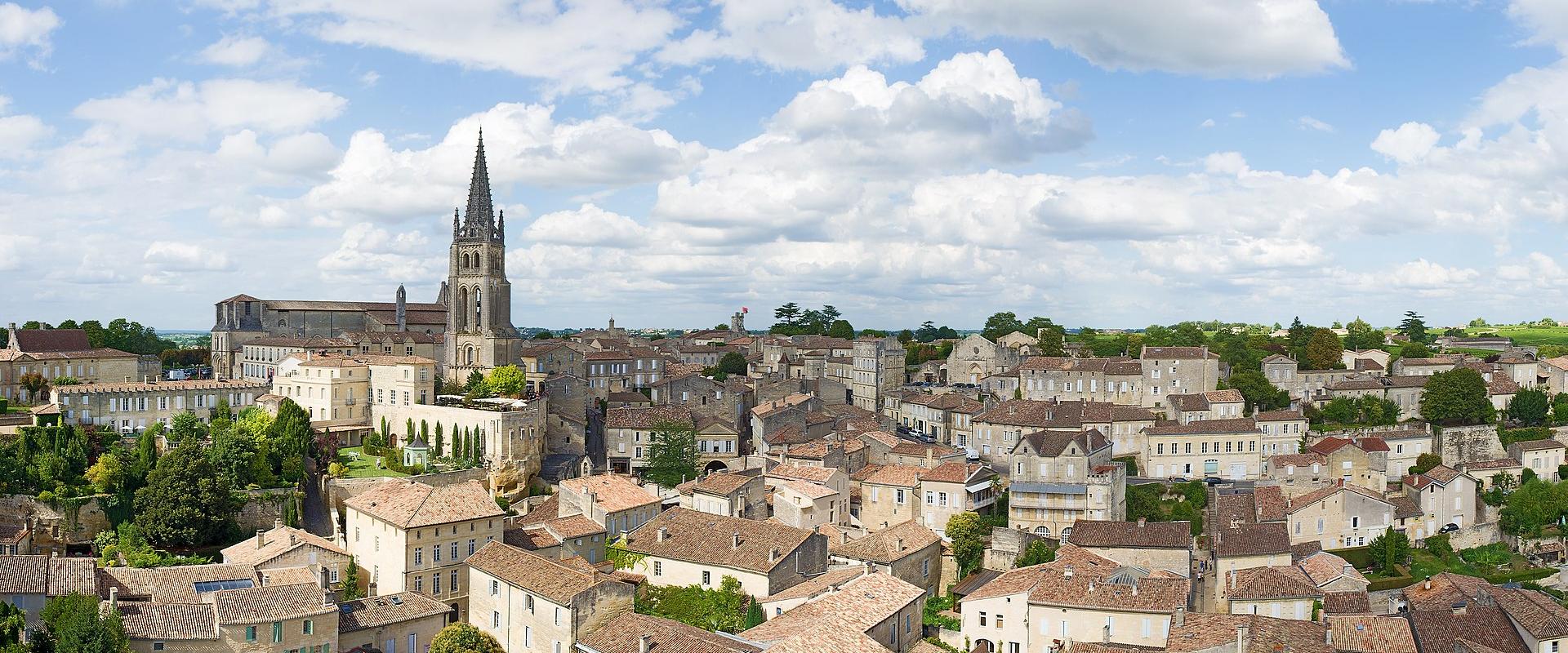
Saint-Émilion, situated in the Gironde department of southwestern France, is a village of profound historical and cultural significance. Historically, it was a major centre of Christianity in the Middle Ages, with its origins dating back to the 8th century when Saint Émilion, a monk from Brittany, established a hermitage in the area. The village grew around the monastic community, and by the 12th century, it had become a key stop on the pilgrimage route to Santiago de Compostela. The Jurisdiction of Saint-Émilion, a UNESCO World Heritage site, encompasses the village and its surrounding vineyards, reflecting the unique landscape created by centuries of wine production. The village's architecture is predominantly medieval, with narrow, winding streets lined with limestone houses, towers and chapels. The most striking feature is the Église Monolithe, a church carved entirely out of a single limestone rock, which reflects the village's religious heritage and is among the largest of its kind in Europe.
The main attractions in Saint-Émilion revolve around its historical monuments and wine culture. The Église Monolithe is the most iconic landmark, featuring a cloister and a crypt that offer insights into the village's monastic past; the Monolithic Church of Saint-Émilion is visited by guided tour. The Tour du Roy, a 13th-century watchtower, provides panoramic views of the surrounding vineyards and the village. The Cloître des Cordeliers, the cloister of a 14th-century Franciscan house, has cellars where sparkling wine is produced. Les Quatre-Tours, a fortified gate, and the Rue des Juifs recall the medieval town, and the Pont de la Dordogne is a bridge on the river below. The Place du Marché is the centre of the village, surrounded by cafes, restaurants and shops selling local products, including macarons and wine. The village is also home to several châteaux and wine estates, such as Château Canon and Château de Figeac, where visitors can taste world-renowned Saint-Émilion wines. The surrounding vineyards offer scenic walking and cycling routes, allowing visitors to explore the landscape and learn about the winemaking process, and the Vineyards of Saint-Émilion cover the plateau and slopes. The nearby town of Libourne offers additional historical sites and a vibrant market.
Saint-Émilion offers various activities for visitors interested in wine, history and nature. Wine tasting is a central activity, with numerous châteaux offering tours and tastings. The village also hosts various festivals and events throughout the year, including the Saint-Émilion Wine Festival and the ceremonies of the Jurade, the local wine brotherhood, such as the Ban des Vendanges in September, which proclaims the start of the harvest. The surrounding countryside is ideal for hiking and cycling, with marked trails leading through vineyards and forests. The nearby Dordogne River offers opportunities for canoeing and kayaking. The local cuisine features Aquitaine specialties, including foie gras, truffles and lamb, and the macarons of Saint-Émilion are a famous local sweet. The village also has several museums and art galleries showcasing local and regional art.
Getting to Saint-Émilion is convenient via train, with regular services from Bordeaux to Saint-Émilion station, a journey of about half an hour. The train station is located near the village, a short but uphill walk from the centre, making it easily accessible. For those traveling by car, Saint-Émilion is connected by the D673 and D936 roads. The best time to visit is from early June to late September, when the weather is warm and pleasant, ideal for exploring the vineyards and outdoor attractions. July and August are the warmest months, with average highs around 28°C, but also the busiest. Spring and autumn offer milder weather and fewer crowds, making them suitable for sightseeing and wine tasting. Autumn is particularly popular for wine lovers due to the harvest season. Winter is cooler and quieter, offering a serene atmosphere for indoor museum visits.
Best time to visit
Early June to late September offers warm weather and ideal conditions for vineyard exploration and wine tasting.
What to see in Saint-emilion
Our picks first.
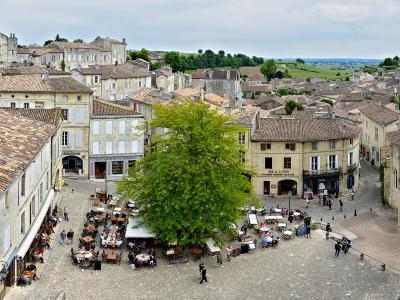
Monolithic Church of Saint-Émilion
12th-century monolithic church carved from rock
Churches · Heritage Trails
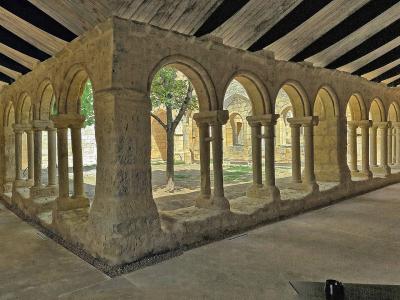
Cloître des Cordeliers
14th-century monastery with 20m deep limestone wine cellars
Food & Wine · Guided Experiences
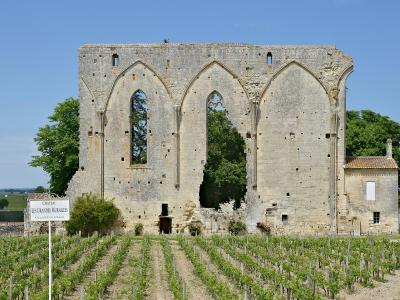
Vineyards of Saint-Émilion
UNESCO-listed medieval town and renowned Bordeaux wine re...
From €10 Food & Wine · Guided Experiences
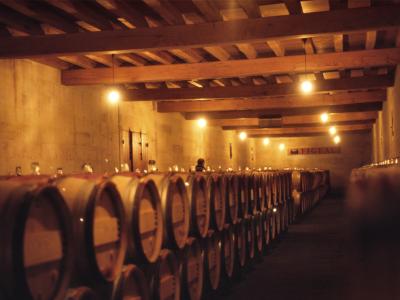
Château de Figeac
1st Growth Saint-Émilion estate with quartz terroir
Food & Wine · Historic Architecture
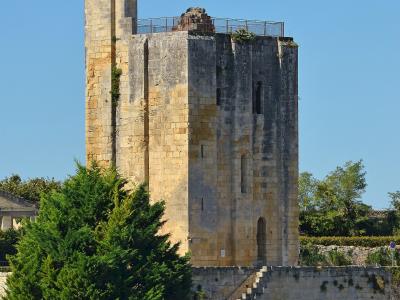
Tour du Roy
19th-century Crémant caves beneath historic tower
Guided Tours · Towers
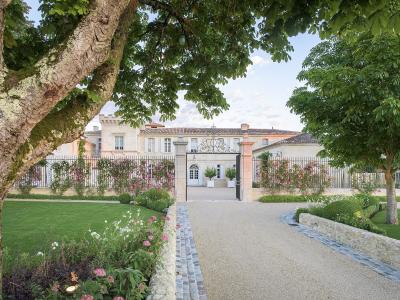
Château Canon
Medieval Saint-Émilion estate with private vineyard tours
Food & Wine · Historic Architecture
Saint-emilion by interest
The same sights, grouped by what you came for.
Did you know?
Checked facts about Saint-emilion, each with its source.
-
Notable Person
Saint-emilion Has a Wine Tradition
Saint-Émilion, located in the Gironde department of the Nouvelle-Aquitaine region, is a historic medieval village renowned for its wine production and architectural heritage.
Source: Saint-Émilion - Wikipedia
Planning a visit to Saint-emilion
Good to know
- Currency
- EUR
- Language
- French