







- Hours
- Mon-Fri 8am-12pm, 2pm-6pm; Weekends by appointment only
- Where
- Saint-emilion, Aquitaine
- Directions
- Directions
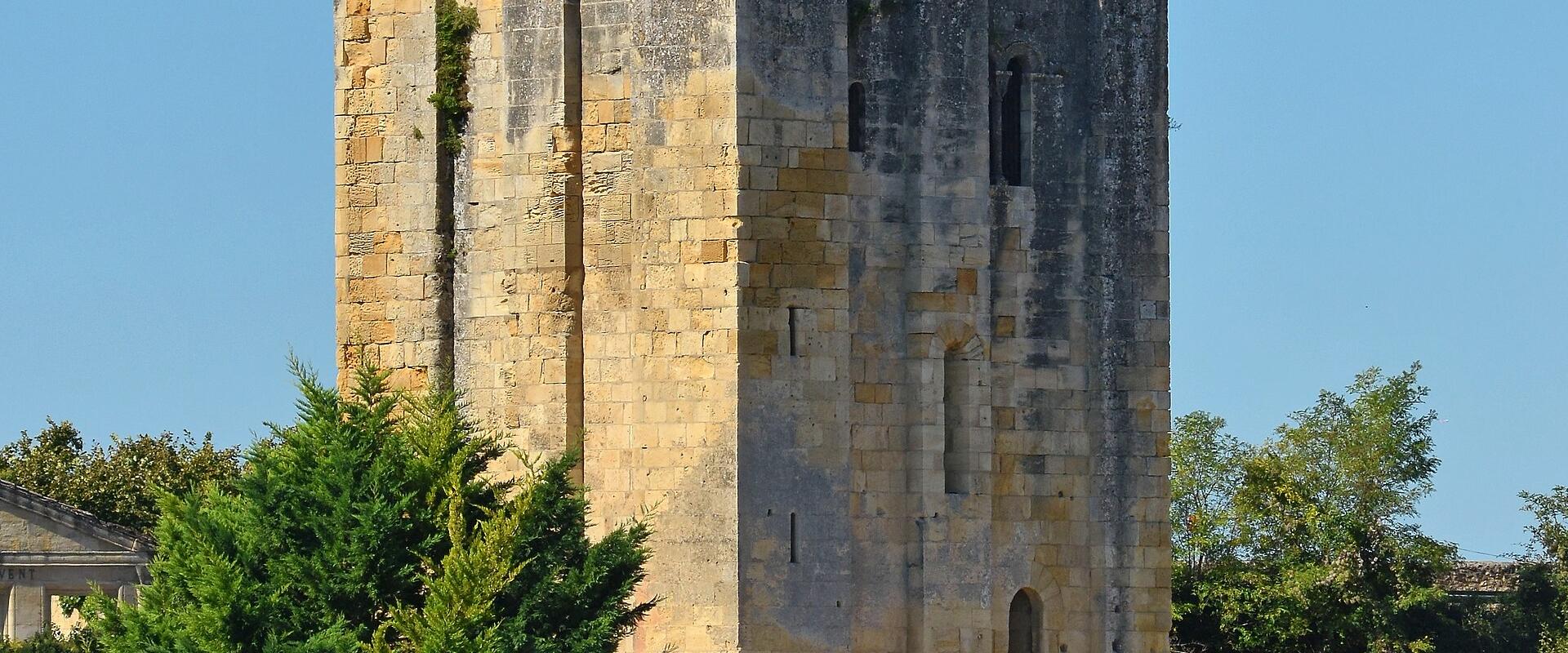
The Tour du Roy, the King's Tower, is a medieval keep on the edge of the old town of Saint-Émilion, and the name is a reminder that this part of the Gironde belonged for three centuries to the kings of England. The town was part of the duchy of Aquitaine that came to the English crown through the marriage of Eleanor of Aquitaine to Henry II in 1152, and it remained English until the end of the Hundred Years' War in 1453. In 1199 King John of England granted the townspeople a charter that created the Jurade, a council of local notables with powers of government, and the wine fraternity that still bears the name of the Jurade today traces its origin to that time. The tower, built in the thirteenth century, was the stronghold of the town and the place from which the Jurade proclaimed the start of the grape harvest, a custom that is still observed with a ceremony each September.
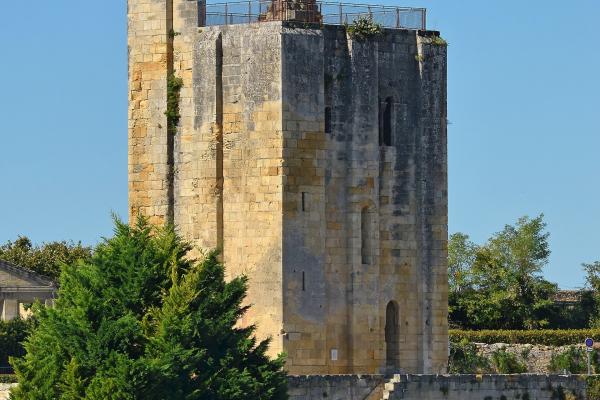
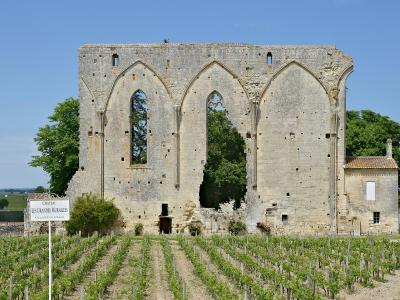
The keep is a square tower of pale limestone, with thick walls, battlements and a tall profile that dominates the roofs. It stands near the highest point of the town and gives wide views over the terracotta rooftops, the church bell tower and the vineyards that cover the surrounding slopes. Saint-Émilion is classified as a UNESCO World Heritage cultural landscape, recognised in 1999 as an outstanding example of a historic vineyard, and the tower is one of the places where that landscape can best be seen.
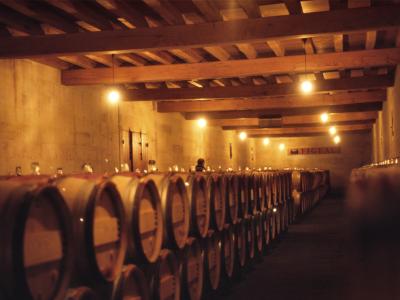
The soft limestone of the plateau has been quarried for centuries, and the result is a network of underground galleries and cellars beneath the town. These monolithic caves, cut directly from the rock, keep a steady cool temperature and a high humidity, which makes them ideal for storing wine. Beneath the tower, such cellars are used for the production of sparkling wine, and a house founded in 1886 makes Crémant de Bordeaux there. Crémant is made by the traditional method, the same as for champagne, with a second fermentation in the bottle, and Crémant de Bordeaux was granted its appellation in 1990. It is made from the grapes of the region, including Sémillon, Cabernet Franc and Merlot, and may be white or rosé. Visitors can take a guided tour of about an hour through the galleries, hear about the history of the site and the making of the wine, and taste the results. Opening hours are on weekdays, with weekends by appointment, and the cellars may close for a period in winter, so contact them or the Saint-Émilion tourist office before you go.
The town offers much else. The Monolithic Church, hewn from the rock in the twelfth century, is the largest underground church in Europe, and the Cloître des Cordeliers is a ruined cloister with a sparkling wine cellar of its own. The great châteaux of the appellation, among them Château Canon and Château de Figeac, open their cellars to visitors, and the vineyards produce mainly Merlot and Cabernet Franc. Steep, cobbled streets lead down from the tower to the Dordogne valley. The visit suits wine lovers and history enthusiasts, and it can be combined with a walk through the town.
Categories
More photos coming soon
Opening Hours
- Open
- Mon-Fri 8am-12pm, 2pm-6pm; Weekends by appointment only
Hours and prices change, especially out of season. Check with the venue before you go.
Nearby Attractions
Other places to visit in Saint-emilion
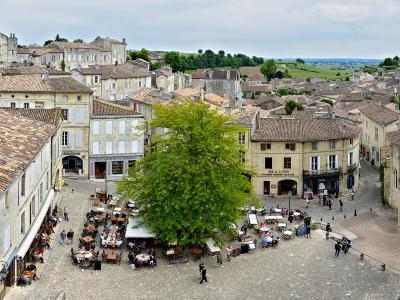
Monolithic Church of Saint-Émilion
12th-century monolithic church carved from rock
Churches · Heritage Trails
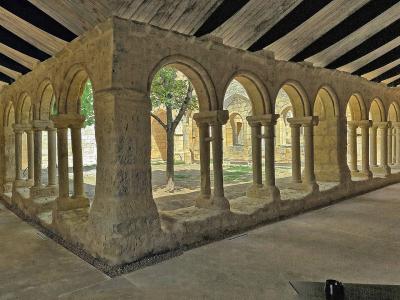
Cloître des Cordeliers
14th-century monastery with 20m deep limestone wine cellars
Food & Wine · Guided Experiences
Vineyards of Saint-Émilion
UNESCO-listed medieval town and renowned Bordeaux wine re...
From €10 Food & Wine · Guided Experiences
Château de Figeac
1st Growth Saint-Émilion estate with quartz terroir
Food & Wine · Historic Architecture
Questions people ask
Quick Facts
Best Time to Visit
Early June to late September offers warm weather and ideal conditions for vineyard exploration and wine tasting.