







- Where
- Salers, Auvergne
- Directions
- Directions
Salers is a village that gained its look and its importance in the sixteenth century, and the site of its old castle helps explain how. A feudal fortress of the Middle Ages stood on the rock where the village now stands, and it was held by local lords, but the original castle has largely disappeared, and only traces of it can be understood on the ground. Guided visits of the village usually point out where it stood and explain how the settlement grew around it. The loss of the castle should not discourage visitors, because what survives is a remarkably complete small town of the Renaissance, built in dark volcanic stone and one of the most atmospheric places in the Auvergne.
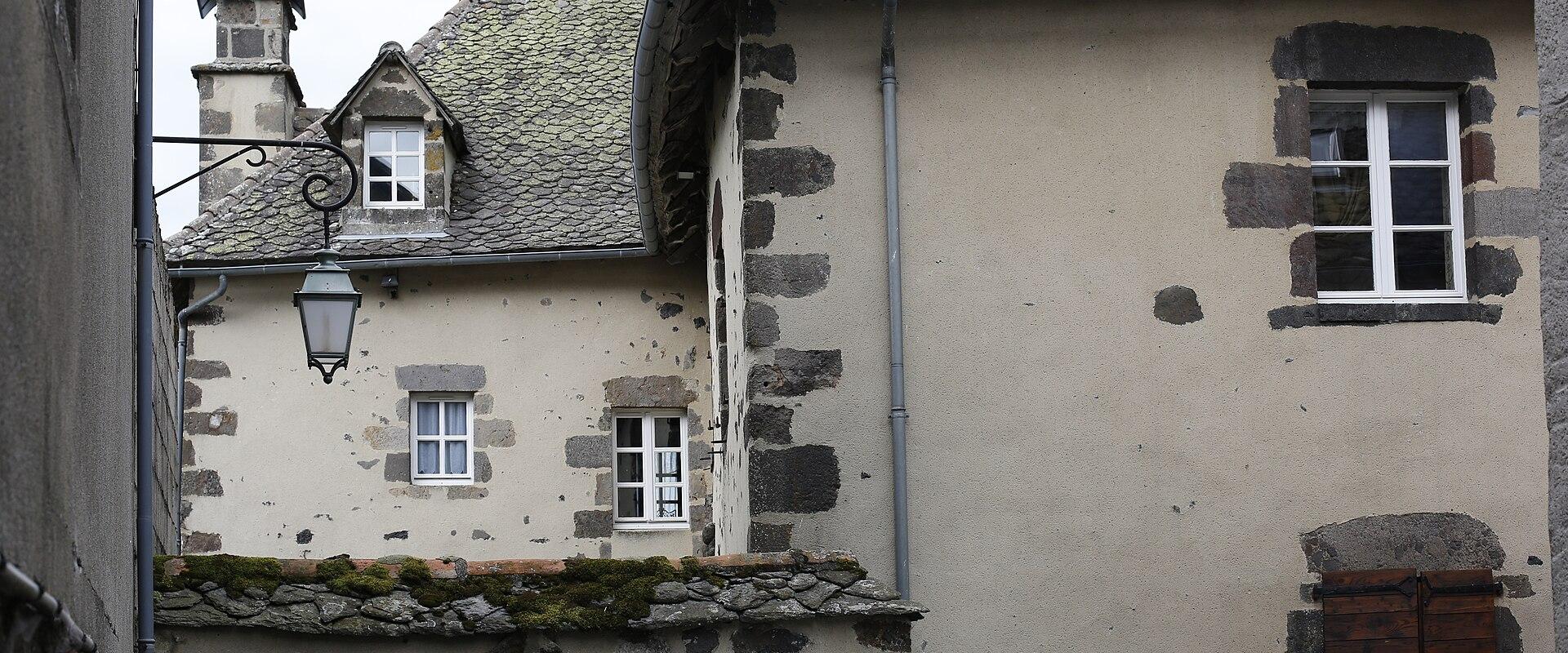
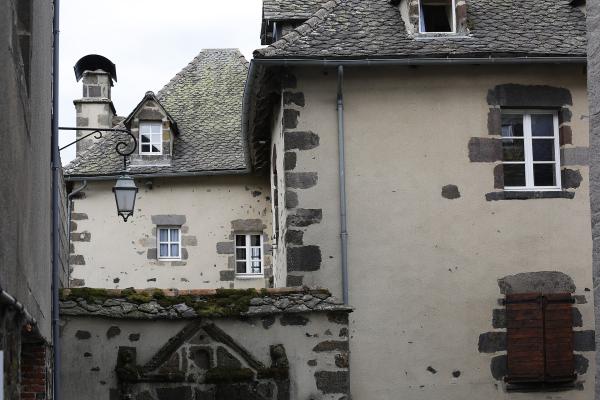
Salers was important because it was the seat of the royal bailiwick of the Montagnes d'Auvergne, an administrative and judicial district, from the end of the Middle Ages until the Revolution. Judges, lawyers and officials lived in the town, and they were wealthy enough to build fine houses, particularly in the sixteenth century, after the end of the Hundred Years War. These houses, which cluster around the central square and along the lanes, have tall facades of grey and black volcanic stone, with mullioned windows, carved doorways, spiral staircases enclosed in round turrets, and steeply pitched roofs covered in flat grey stone slabs known as lauzes. The effect is of a miniature fortified town, dark, solid and austere, but with a refined and proud character.
The central square, the Place Tyssandier d'Escous, is the best place to see the architecture, with the oldest houses and the church of Saint-Mathieu, in which are preserved a carved Entombment from the end of the fifteenth century and Aubusson tapestries. The Esplanade de Barrouze, a terrace at the edge of the village, gives a wide view across the valley toward the high peaks of the Cantal massif, among them the Puy Violent, and it is a favourite place at sunset. The village can be crowded in summer, particularly at midday, and early morning or late afternoon is calmer.
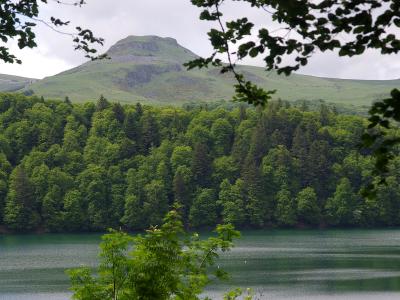
The area is also known for its cattle and cheese. The Salers breed of red cows, with lyre-shaped horns, graze the high pastures in summer, and their milk is used for a farmhouse cheese of the same name, with a nutty, strong flavour. The Parc Naturel Régional des Volcans d'Auvergne surrounds the village and offers hiking trails, and the Musée des Volcans gives context on the geology.
The village is free to wander on foot and suits walkers, history lovers and food lovers. The streets are steep and cobbled, so wear good shoes.
Categories
More photos coming soon
Nearby Attractions
Other places to visit in Salers
Parc Naturel Régional des Volcans d'Auvergne
UNESCO volcanic park and medieval village
Nature & Parks · Forests
Hiking Trails around Salers
Hiking trails in the Parc Naturel Régional des Volcans d'...
Guided Experiences · Historic Architecture
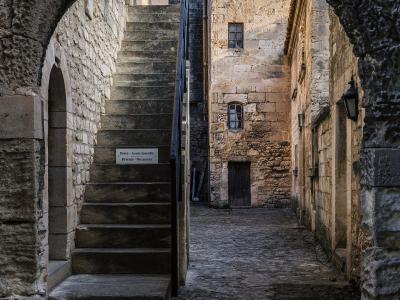
Village Streets and Stone Architecture
Village streets with black volcanic stone architecture
Historic Architecture · Historic Towns
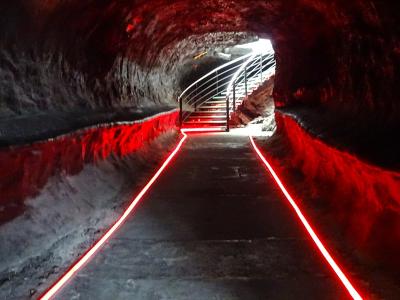
Musée des Volcans
Volcanoes museum in a former Knights Templar house
Historic Architecture · Museums & Culture
Questions people ask
Quick Facts
Best Time to Visit
June to September offers warm weather and ideal conditions for outdoor activities and sightseeing.