







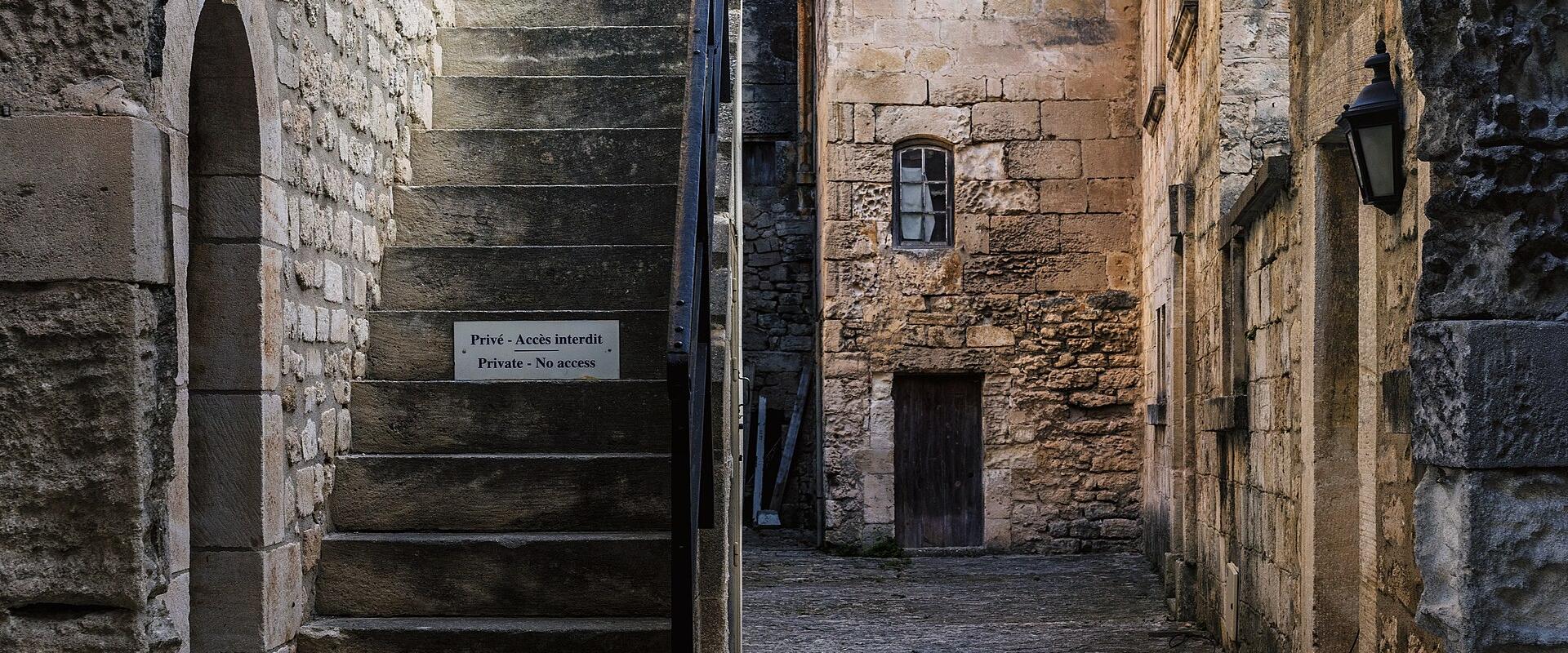
Village Streets and Stone Architecture
Village streets with black volcanic stone architecture
- Where
- Salers, Auvergne
- Directions
- Directions
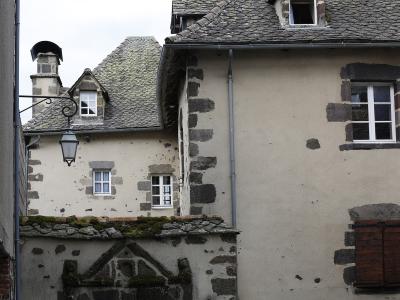
Salers is a village in the Cantal, in the volcanic uplands of the Auvergne, and it is known for the colour of its stone. The houses are built of dark volcanic rock, mostly basalt and related lavas from the ancient volcano of the Monts du Cantal, and they are roofed with thick slabs of stone called lauzes, so that the whole village looks black or deep grey, with paler lime mortar marking the joints between the stones. Against the green grassland of the plateau, the effect is striking, and Salers is listed among the most beautiful villages of France.
The village stands on a spur at about 950 metres, on the edge of the Parc naturel régional des Volcans d'Auvergne, and it is one of the best preserved of the region's small towns. Its importance goes back to the Middle Ages, and in the sixteenth century it was the administrative and judicial capital of the Haute-Auvergne, with a royal court, the bailliage. Lawyers, judges and merchants built fine town houses in the village, with turrets, mullioned windows and carved doorways, and many of them survive. The wealth then dried up, and the village was left with few modern changes, which preserved the buildings to a remarkable degree.
The focus of the village is the Place Tyssandier d'Escous, a sloping square surrounded by dark houses, with a covered well and a stone fountain, which is often described as a picture-postcard scene. A walk around it shows several Renaissance houses, among them tall buildings with corner turrets, called échauguettes, and spiral stairs in towers, and old inscriptions over the doors. The town walls once enclosed the village, and the Porte du Beffroi, the belfry gate, is one of the gates that survive, with a covered passage. The church of Saint-Mathieu, a Gothic building with a Romanesque portal, and the lanes behind the square reveal more small details. A terrace at the edge of the village gives views over the valley of the Maronne and the surrounding hills.
The village is a living community, not a museum. Shops and workshops sell the local products. The cheese of Salers, a firm, nutty cheese made from the milk of the red Salers cow, is the most famous, and it is sold in the shops and the weekly market. The liqueur of gentian, made from the roots of the yellow mountain gentian, is another local product. Restaurants serve regional dishes such as aligot, potatoes whipped with cheese, truffade, a dish of potatoes and cheese, and Cantal meats.
There is no admission fee to walk through the village, and the architecture can be seen at any time, with the best light in the morning or in the golden hour before sunset, when the dark stone gleams after rain. Hiking trails lead into the surrounding hills, and the nearby Puy Mary, one of the main summits of the volcanic massif, is a short drive. The village suits walkers, photographers and anyone interested in vernacular architecture.
Categories
More photos coming soon
Nearby Attractions
Other places to visit in Salers
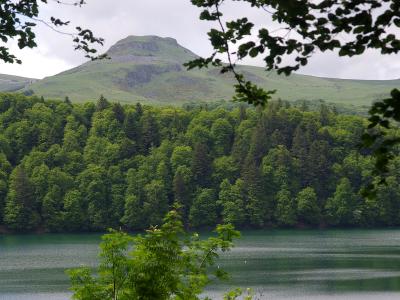
Parc Naturel Régional des Volcans d'Auvergne
UNESCO volcanic park and medieval village
Nature & Parks · Forests
Hiking Trails around Salers
Hiking trails in the Parc Naturel Régional des Volcans d'...
Guided Experiences · Historic Architecture
Musée des Volcans
Volcanoes museum in a former Knights Templar house
Historic Architecture · Museums & Culture
Château de Salers
Medieval village with Renaissance turrets
Historic Architecture · Nature & Parks
Questions people ask
Quick Facts
Best Time to Visit
June to September offers warm weather and ideal conditions for outdoor activities and sightseeing.