







- Where
- Salers, Auvergne
- Directions
- Directions
Salers is one of the most distinctive villages in France, a small town perched on a volcanic plateau at the edge of the Monts du Cantal, in the middle of the Parc Naturel Régional des Volcans d'Auvergne. Its houses, built of the dark grey volcanic stone of the region and roofed with grey lauze slabs or slate, are topped with pointed turrets and arranged around a square with arcades, and the effect, against the green grazing land, is memorable. It is among the Plus Beaux Villages de France, and walking through its lanes feels like stepping back to the sixteenth century.
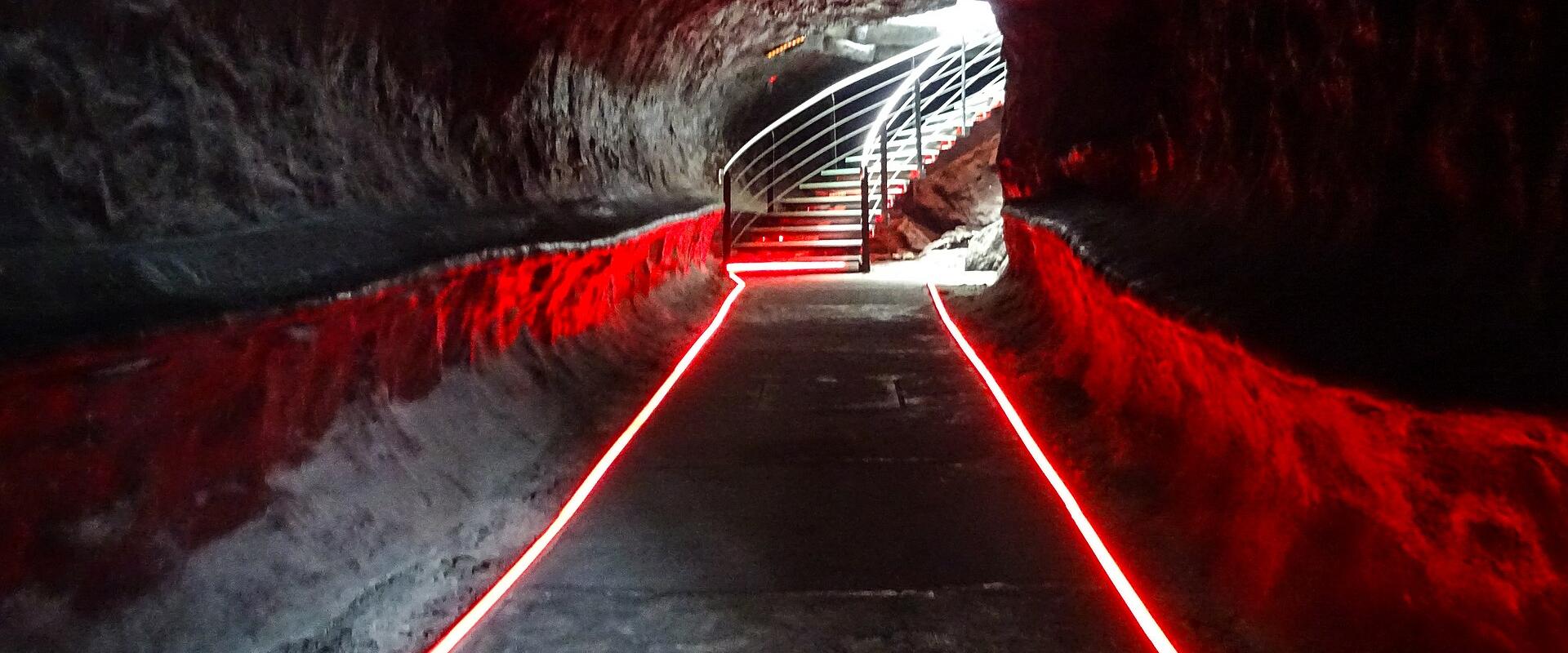
The building that houses the town's museum, on the Rue des Templiers, is one of the oldest in the village. Known as the Maison des Templiers, it is a medieval house with Gothic vaulting and thick stone walls, and tradition links it with the Knights Templar, though the true history of the house is hard to determine. The museum displays objects and documents relating to the history and traditions of the area, including the life of farmers and the craft of cheese making, and it offers insights into the geological formation of the volcanic landscape. As in many small museums in rural areas, opening arrangements vary, so check locally.
The landscape is the real museum. The Monts du Cantal are the remains of the largest stratovolcano in Europe, which erupted millions of years ago and has been eroded by glaciers into radiating valleys. Salers sits on the flank of this ancient volcano, and from the village you can see the grassy slopes, the cliffs and the peaks. The highest point accessible from the area is the Puy Mary, nearly 1,800 metres high, which can be reached by a short but steep walk from the Pas de Peyrol, the highest road pass in the Massif Central, and which offers a panoramic view over the valleys. The Cantal is a land of high pastures, where cattle graze on summer slopes called estives.
Salers is famous for its cheese and its cattle. The red, curly-coated Salers cow is one of the oldest French breeds, and its milk is used to make Salers cheese, a protected cheese made on mountain pastures between spring and autumn according to traditional methods in a wooden vat called a gerle. The village shops sell it, along with a local aperitif based on gentian root, and the restaurants serve dishes such as truffade, a mixture of potatoes and fresh cheese, and aligot. The village has a market and annual events, including a cheese fair.
The village suits walkers, cheese lovers and photographers, and it is easily combined with excursions into the volcanic landscape. The Château de Salers, the village streets, the viewpoint and the Croix de Salers offer short walks, and longer trails lead into the countryside. Allow a few hours. Salers is busiest in summer, so arrive early in the day to find parking and enjoy the quiet streets.
Categories
More photos coming soon
Nearby Attractions
Other places to visit in Salers
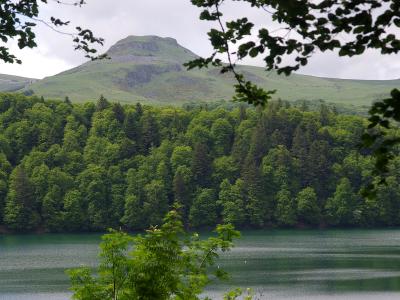
Parc Naturel Régional des Volcans d'Auvergne
UNESCO volcanic park and medieval village
Nature & Parks · Forests
Hiking Trails around Salers
Hiking trails in the Parc Naturel Régional des Volcans d'...
Guided Experiences · Historic Architecture
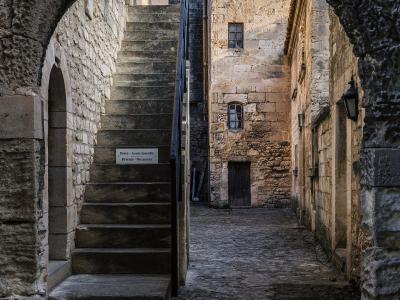
Village Streets and Stone Architecture
Village streets with black volcanic stone architecture
Historic Architecture · Historic Towns
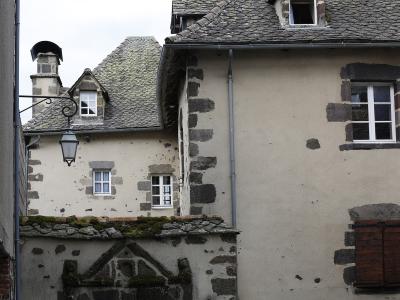
Château de Salers
Medieval village with Renaissance turrets
Historic Architecture · Nature & Parks
Questions people ask
Quick Facts
Best Time to Visit
June to September offers warm weather and ideal conditions for outdoor activities and sightseeing.