







- Where
- Bayonne, Aquitaine
- Directions
- Directions
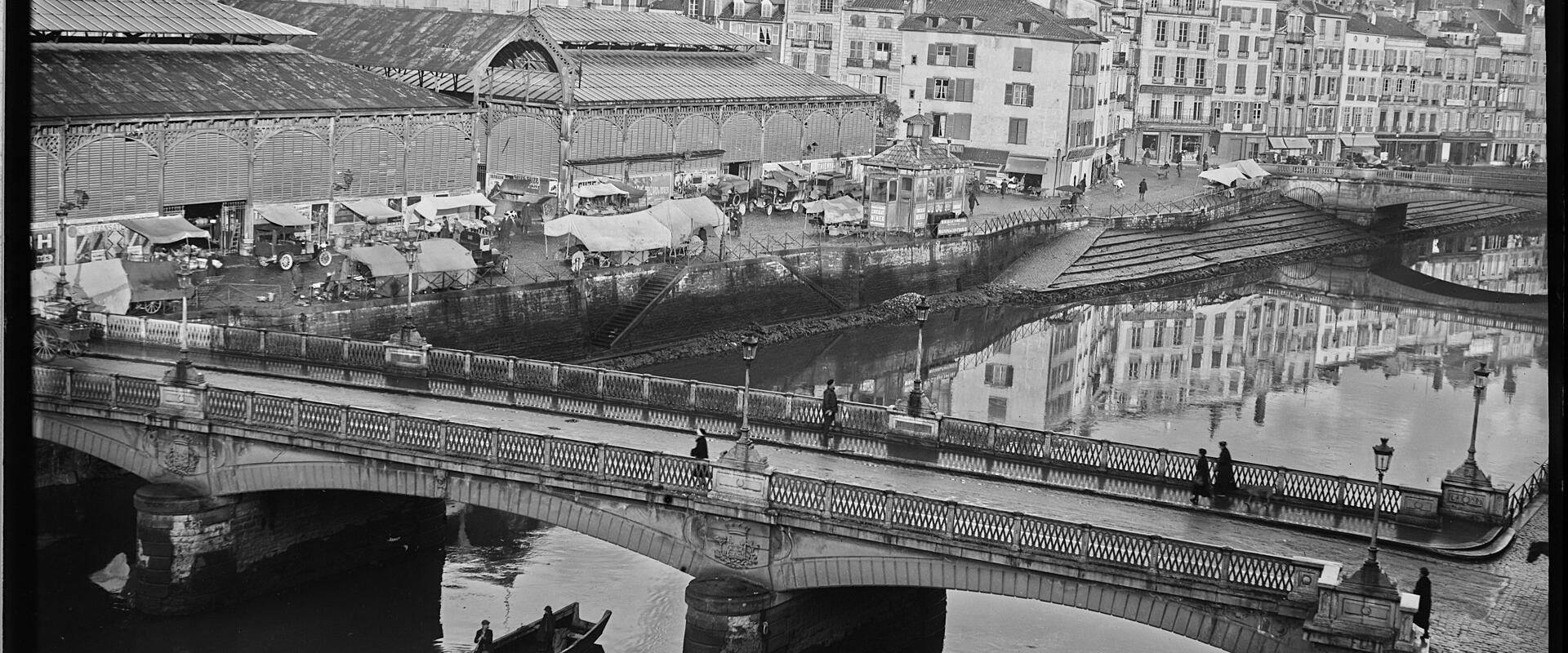
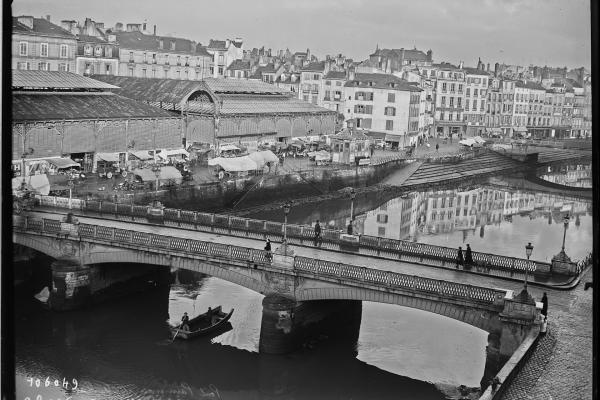
The Marché Central de Bayonne, also called Les Halles, is the covered market of the Basque capital of the Adour, a late nineteenth-century hall on the bank of the Nive river in the Grand Bayonne district that serves as the daily larder of the city. It stands in a pedestrian zone close to the old town, and its stone and iron structure, with large windows that let in daylight, is a typical example of the market architecture of its period. Inside, about twenty permanent food stalls sell the produce of the Basque Country and Gascony, and the hall is busy every morning with residents who come for their daily shopping.
The products reflect the region's rich gastronomy. Bayonne is famous for its ham, the jambon de Bayonne, which is cured with salt from the nearby Salies-de-Béarn and dried for many months, and the charcuterie stalls sell it in generous slices along with other cured meats and the dry sausages of the Basque country. Cheese is another speciality, in particular the Ossau-Iraty, a firm sheep's milk cheese from the Pyrenees that is often eaten with black cherry jam. The Espelette pepper, a mildly hot red chilli grown in the nearby village of Espelette and protected by an appellation, appears on the stalls as strings of dried peppers and in jars of powder, and it flavours many local dishes. Fishmongers offer the catch of the Atlantic, including hake, sardines and anchovies, and greengrocers sell fruit and vegetables from the valleys. Bakers sell the gâteau basque, a cake filled with cream or black cherry jam, and shops nearby sell the chocolate for which Bayonne has been known since the seventeenth century.
On Saturday mornings, the market expands into the open air with an extension around the hall, the carreau des Halles, which adds dozens of stalls of farmers and producers who sell directly, so the market is at its liveliest and most colourful then. Local producers, many of them from the hills inland, offer vegetables, cheeses, honey, flowers and prepared foods, and the atmosphere is cheerful, with stallholders chatting in French and Basque. The market is a good place to buy picnic supplies or gifts, and many visitors take home a ham or a jar of pepper.
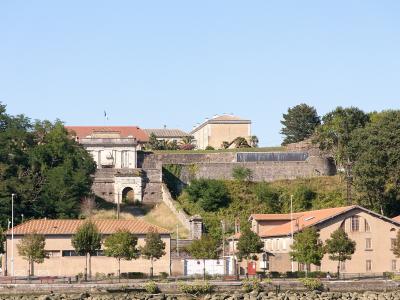
The market is in the middle of a rewarding town to explore. The Cathédrale Sainte-Marie, a Gothic cathedral with two tall spires and a fine cloister, rises over the Grand Bayonne, and the Hôtel de Ville, with its theatre, stands on the Place de la Liberté. Across the Nive, the Petit Bayonne has the Musée Basque et de l'Histoire de Bayonne, which presents Basque culture, and the lively quays where cafés and bars fill in the evening. Vauban's Citadelle crowns a hill on the north bank of the Adour, and the ramparts that surround the old town provide walks. In summer, the Fêtes de Bayonne, five days of music and celebration in which everyone dresses in white with red scarves, fill the city.
The market suits food lovers and visitors who want to see local life. Allow an hour or so, and consider a coffee in one of the cafés near the hall. Go in the morning, when the choice is widest, and bring a bag.
Categories
More photos coming soon
Nearby Attractions
Other places to visit in Bayonne
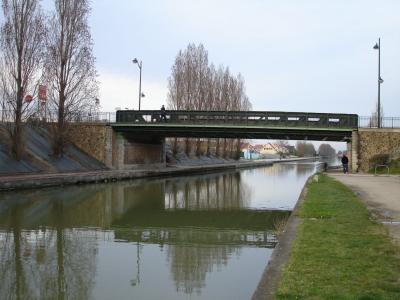
Pont de l'Europe
Modern bridge connecting Bayonne's districts
Historic Architecture
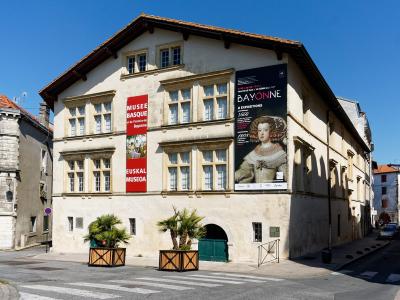
Musée Basque et de l'Histoire de Bayonne
Basque culture and Bayonne history in a 16th-century mansion
Architectural Landmarks · History Museums
La Citadelle
17th-century Vauban fortress in Bayonne
Historic Architecture

Hôtel de Ville
Neoclassical 1842 town hall and theatre
Historic Architecture · Theaters
Questions people ask
Quick Facts
Best Time to Visit
Late June to mid-September offers warm weather and ideal conditions for outdoor activities and festivals.