







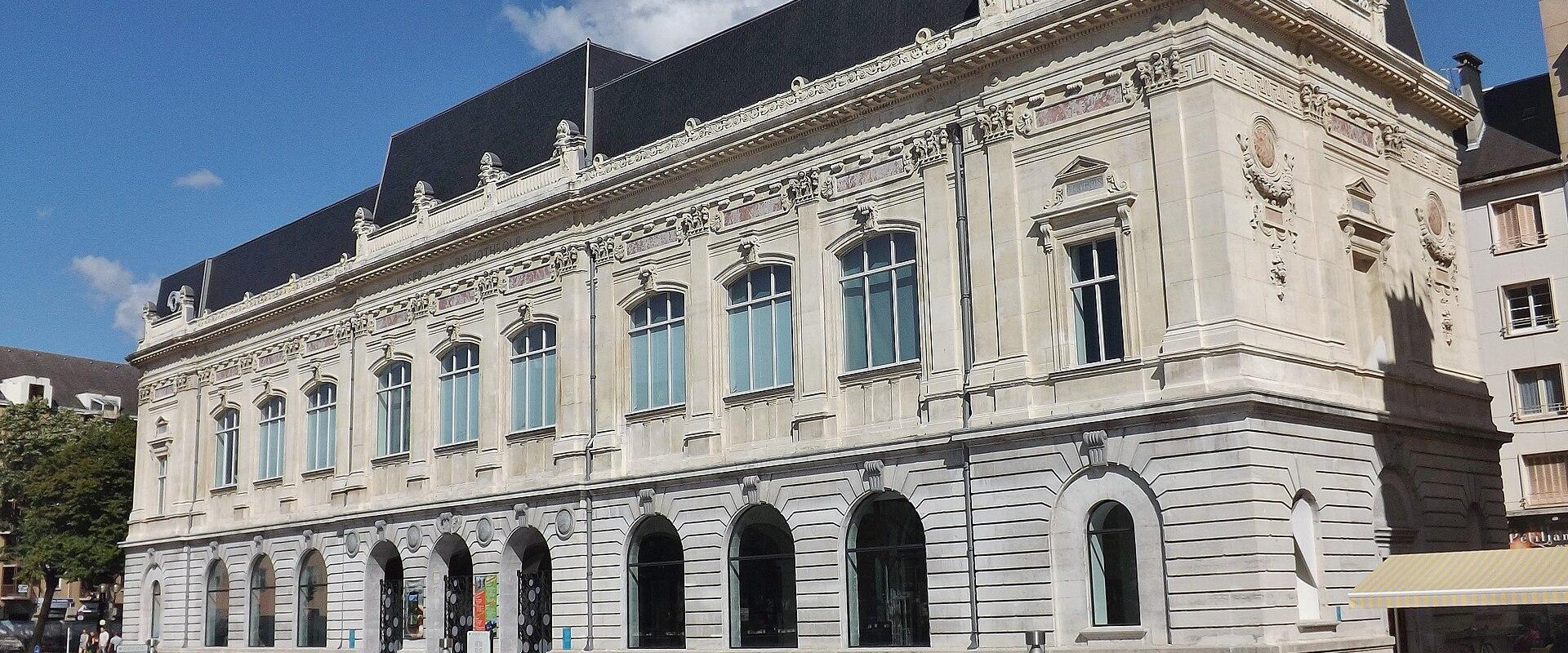
- Where
- Chambery, Rhône-Alpes
- Directions
- Directions
The Musée des Beaux-Arts de Chambéry is housed in a former covered grain market, a sober nineteenth-century building of pale stone on the edge of the old town. Its plain, almost austere frontage gives little away, and that contrast is part of the pleasure: behind the blank facade lie bright, high galleries that were converted into a museum and opened to the public at the end of the nineteenth century. The building keeps the proportions of a market hall, with generous volumes that suit large canvases and good natural light.
What sets the museum apart is its collection of Italian painting. Chambéry was the capital of the Savoy states for centuries, from the Middle Ages until the court moved to Turin in 1563, and the dukes were deeply involved in Italian affairs. After the region joined France in 1860, the town inherited a taste and a set of ties that still shape its museum. The galleries show Italian art from the late Middle Ages through the Renaissance and Baroque periods, with panels, altarpieces and large religious and mythological scenes, arranged so that you can follow the changes from gold-ground devotional panels to the dramatic painting of later centuries. It is regularly described as one of the richest collections of Italian art in France outside the large national museums.
Other rooms are devoted to the art and history of Savoy itself, with works by regional painters, portraits of local figures and landscapes of the Alps, which help to place the Italian works in their local setting. Sculpture and decorative arts add variety, and temporary exhibitions bring in modern and contemporary work. The atmosphere is calm and uncrowded, which makes it easy to spend time in front of a single picture.
The museum sits a short walk from the other major sights of Chambéry. The Château des Ducs de Savoie dominates the upper town, and the Musée Savoisien, in a former convent, takes up the story of the region's history and everyday life. Nearby, the Place Saint-Léger and the lanes of the Vieille Ville have shops and cafes, and the Théâtre de Chambéry and the Marché de Chambéry give a taste of modern town life.
Allow about an hour or two. It suits art lovers, rainy-day visitors and anyone who wants to understand how the Alps and Italy have long been linked. Because rooms and exhibitions change, check the current opening times on the museum's website before you go.
Categories
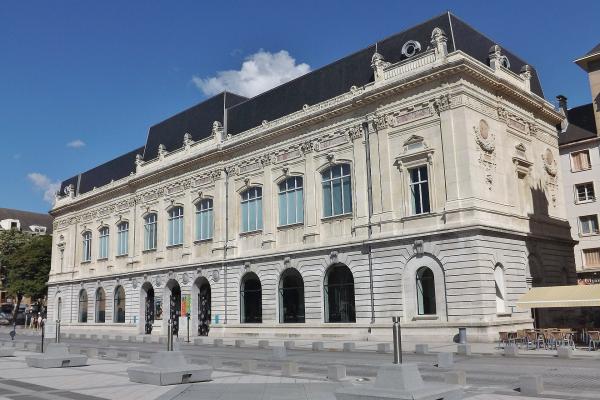
More photos coming soon
Nearby Attractions
Other places to visit in Chambery
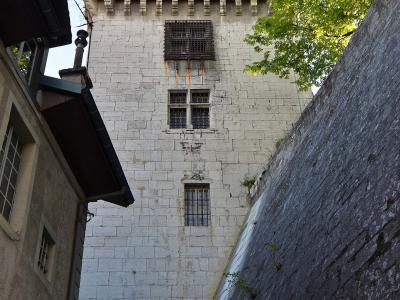
Château des Ducs de Savoie
Former ducal residence housing the Savoie Prefecture
From €5.50 Castles · Guided Tours
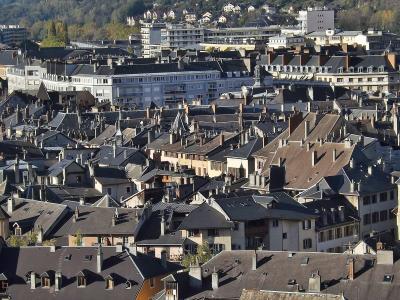
Vieille Ville (Old Town)
Historic Savoy capital with Piedmontese mansions
City Centers · Heritage Trails
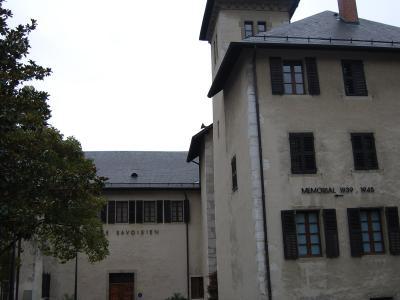
Musée Savoisien
Thematic Savoyard history in a modern setting
Free Cultural Centers · History Museums
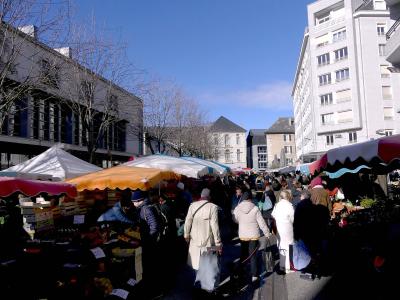
Marché de Chambéry
Weekly market in Savoy's former capital
Free Food & Wine · Urban Exploration
Questions people ask
Quick Facts
Best Time to Visit
Mid-June to mid-September offers warm weather and ideal conditions for outdoor activities and sightseeing.