Chambery
Historic capital of Savoy with ducal castle and alpine access
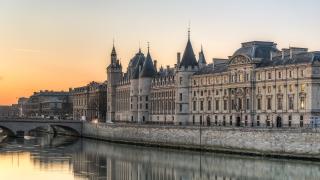
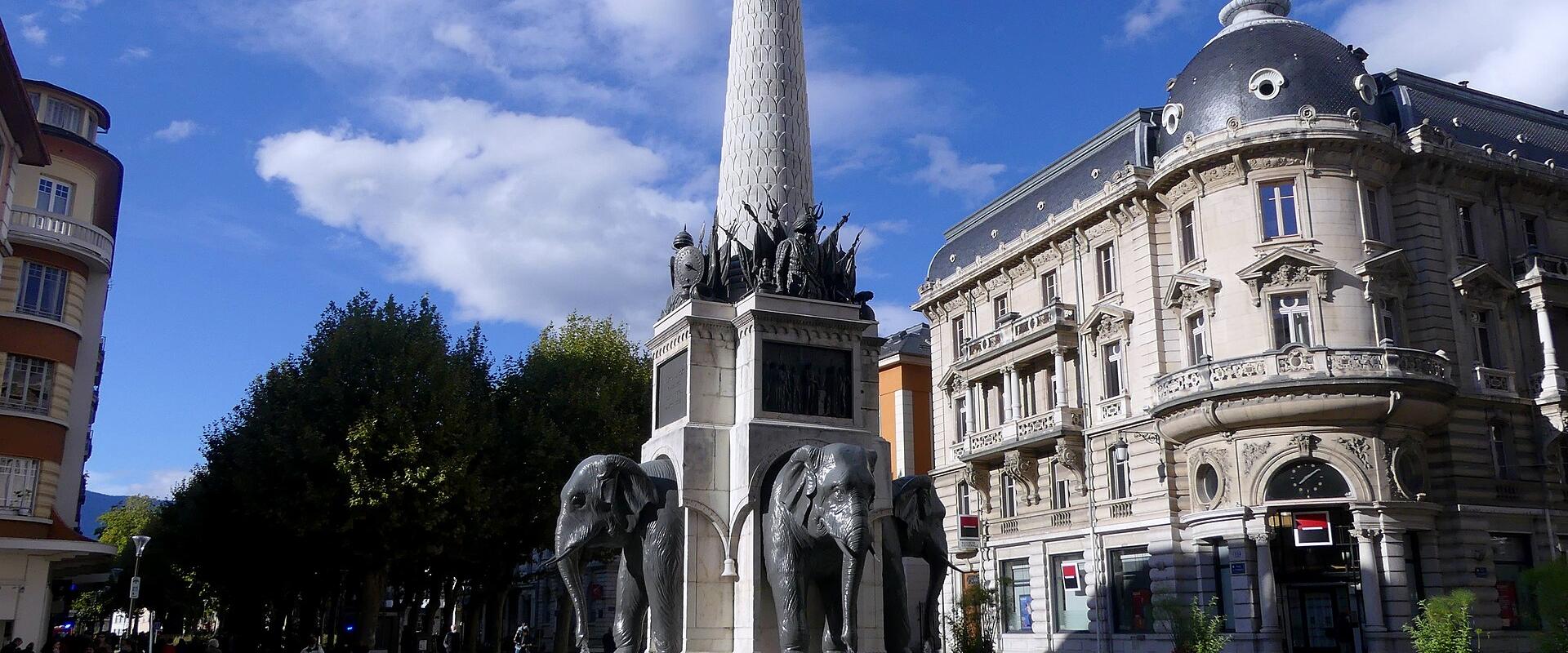
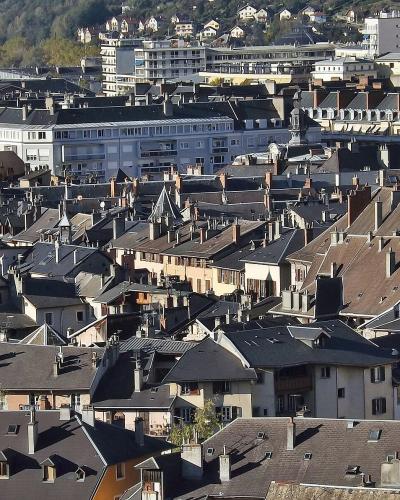
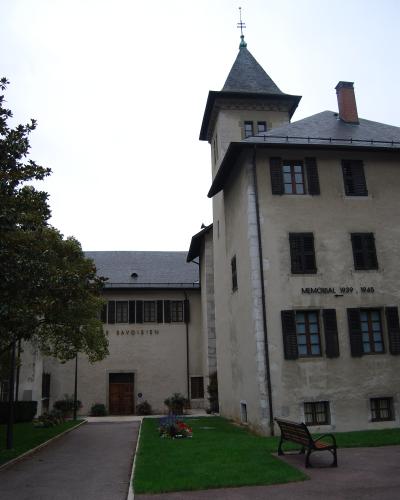
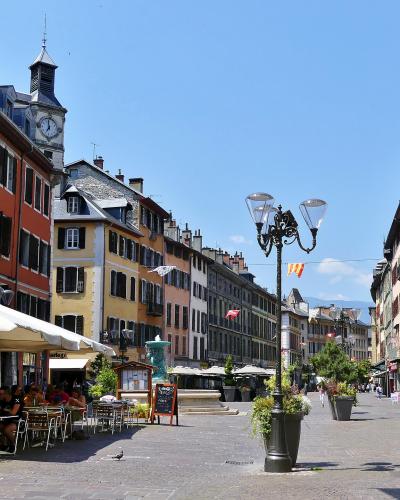
Chambéry, situated in the Savoie department of southeastern France, is a city with a profound historical and geographical identity. Historically, it was the capital of the County of Savoy and later the Duchy of Savoy, a powerful state that played a key role in European politics. The city's layout reflects its medieval origins, with narrow streets, covered arcades (pavillons), and the iconic Château des Ducs de Savoie, which served as the residence of the Dukes of Savoy. The city changed hands between France and Savoy multiple times, with France finally annexing it in 1860. The architecture is a mix of medieval, Renaissance, and Baroque styles, with the Place Saint-Léger and the Fountain of the Elephants being notable landmarks. The city also has a strong connection to the Catholic Church, with the Cathedral of Saint Francis of Sales being a significant religious site. Chambéry has retained its character as a cultural and administrative center, hosting various festivals and events throughout the year.
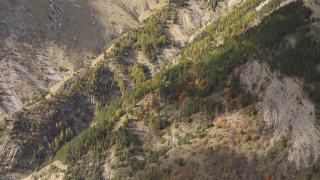
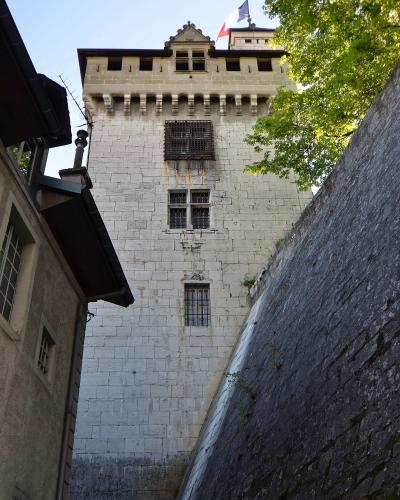
The main attractions in Chambéry reflect its ducal and medieval heritage. The Château des Ducs de Savoie is the primary landmark, housing the Savoy Museum, which showcases the history of the region. The old town (Ville Ancienne) features narrow streets, half-timbered houses, and covered arcades, offering a glimpse into medieval urban life. The Fountain of the Elephants, a symbol of the city, is located in the Place Saint-Léger. The Cathedral of Saint Francis of Sales, a neoclassical structure, is another significant religious site. The Maison des Charmettes, a historic house associated with Jean-Jacques Rousseau, is a cultural landmark. Lac du Bourget, located nearby, offers opportunities for water sports and scenic walks. The surrounding mountains provide access to hiking and skiing.
Chambéry offers various activities for visitors interested in history, nature, and culture. The city is a starting point for exploring the French Alps, with numerous hiking and cycling trails. The surrounding region offers opportunities for skiing in the winter, with resorts like Les Gets and Flaine easily accessible. The local cuisine features Savoyard specialties, including fondue, raclette, and tartiflette. The city hosts various festivals throughout the year, including the Chambéry Jazz Festival. The nearby town of Aix-les-Bains is known for its thermal baths and lakefront promenade. The surrounding countryside offers opportunities for wine tasting in the Savoie vineyards.
Getting to Chambéry is convenient via train, with regular services from Lyon and Geneva. The train station is located in the city center, making it easily accessible. For those traveling by car, Chambéry is accessible via the A43 motorway. The best time to visit Chambéry is from mid-June to mid-September, when the weather is warm and pleasant, ideal for exploring the outdoor attractions and hiking trails. July and August are the warmest months, with average highs around 25°C, but also the busiest. Spring and autumn offer milder weather and fewer crowds, making them suitable for sightseeing and museum visits. Winter is cooler but offers ideal conditions for skiing and snowboarding. Chambéry combines historical depth, natural beauty, and alpine adventure, making it a compelling destination for travelers seeking an authentic Savoyard experience.
Best Time to Visit
Mid-June to mid-September offers warm weather and ideal conditions for outdoor activities and sightseeing.
Did you know?
Interesting, verified facts about Chambery
The 1502 Holy Shroud Relocation
HistoryIn 1502, the Holy Shroud (the Turin Shroud) was moved to the chapel of the Château des ducs de Savoie in Chambéry, where it remained until 1578, establishing the city as a significant site for the relic during that period.
Source: external sourcePlan Your Visit to Chambery
Essential travel tips and information for your trip to Chambery.
Suggested Itineraries
One Day in Chambery
1 dayPerfect for a quick visit. See the main highlights and get a taste of local culture.
Extended Chambery Experience
2-3 daysComprehensive exploration including nearby attractions and cultural experiences.
Travel Tips
Currency
EUR • Cards widely accepted
Language
French • English in tourist areas
WiFi
Free WiFi in cafes and hotels
Explore Chambery by Interest
Discover attractions and experiences in Chambery organized by your interests and travel preferences.
All attractions in Chambery
Sorted by our recommendation score
Quick Facts
Book your stay
Frequently Asked Questions
More destinations in Rhône-Alpes
Explore other amazing places in the Rhône-Alpes region