







- Where
- Chambery, Rhône-Alpes
- Directions
- Directions
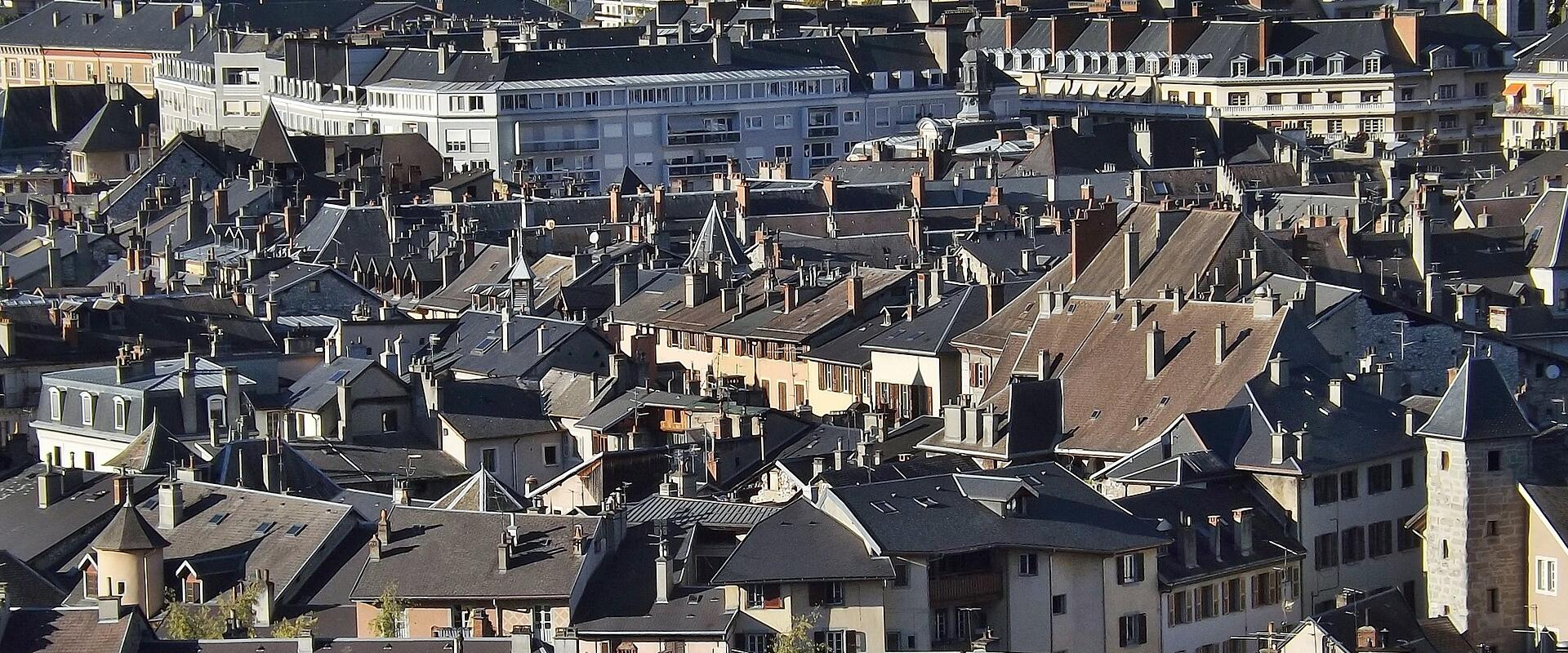
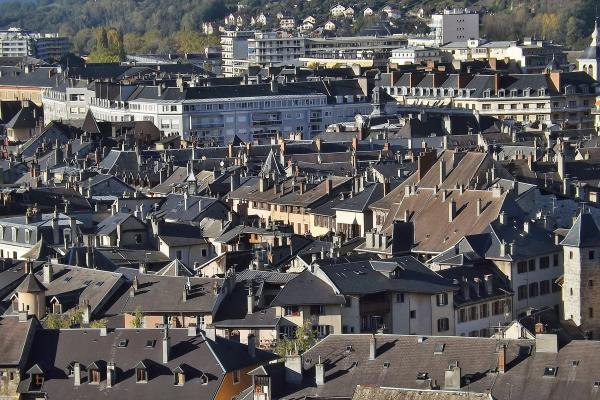
The old town of Chambéry lies at the foot of the Château des Ducs de Savoie, and walking through it is a way of understanding why this small city was once the capital of a state. From the late Middle Ages until 1563 it was the seat of the counts and then dukes of Savoy, who ruled lands on both sides of the Alps. When the court moved to Turin, Chambéry lost its political role but kept its houses, courtyards and the habits of a town that had once hosted a court. Savoy joined France only in 1860.
The Italian connection shapes the look of the streets. Many of the old houses have a Piedmontese character, with arcaded ground floors, tall facades, decorative ironwork and painted decoration. The most surprising feature is the use of trompe-l'oeil: false windows, shutters, columns and carved details painted onto flat walls, which are common in Savoy and Piedmont and can be found on facades around the old town. The Cathédrale Saint-François-de-Sales, a Gothic church, has an interior almost entirely covered in painted decoration, including a large trompe-l'oeil scheme that surprises visitors who expect plain stone.
The town is also known for its traboules, covered passageways that run through buildings between streets and courtyards, and exploring them gives a sense of how the old quarter was put together. Look for hidden courtyards with stairs and balconies, small doorways and carved stone details. The Rue de Boigne is a grand street lined with arcades, built in the early nineteenth century by Benoît de Boigne, a Chambéry native who made a fortune abroad and gave it back to his town. The Fontaine des Éléphants, a monument topped with four elephants, celebrates the same benefactor, and has become a symbol of the city.
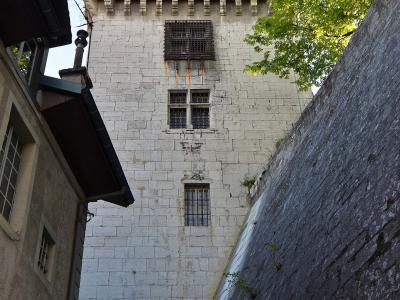
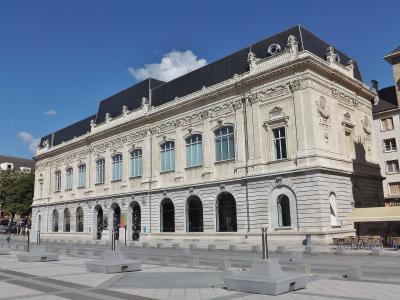
The Place Saint-Léger is a lively spot, with cafe terraces and a good view of the surrounding buildings, and the Musée Savoisien, in a former Franciscan convent, adds context on the region's history. The Musée des Beaux-Arts de Chambéry, the Théâtre de Chambéry and the Marché de Chambéry are all within a short walk. The Château itself rises above, with its chapel and towers, and a climb gives a fine view over the town and toward the mountains.
The old town can be explored on foot in a morning or an afternoon, and it works well as a first step before heading into the mountains. It suits architecture lovers, curious walkers and anyone interested in the history of Savoy.
Categories
More photos coming soon
Nearby Attractions
Other places to visit in Chambery
Château des Ducs de Savoie
Former ducal residence housing the Savoie Prefecture
From €5.50 Castles · Guided Tours
Musée des Beaux-Arts de Chambéry
Italian art collection in a former granary
Historic Architecture · Museums & Culture
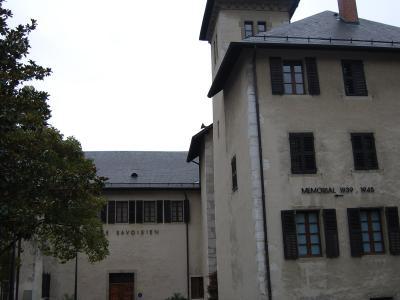
Musée Savoisien
Thematic Savoyard history in a modern setting
Free Cultural Centers · History Museums
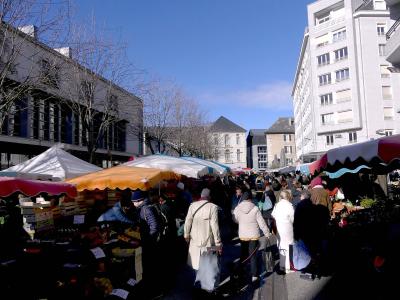
Marché de Chambéry
Weekly market in Savoy's former capital
Free Food & Wine · Urban Exploration
Questions people ask
Quick Facts
Best Time to Visit
Mid-June to mid-September offers warm weather and ideal conditions for outdoor activities and sightseeing.