







- Where
- Lisieux, Normandy
- Directions
- Directions
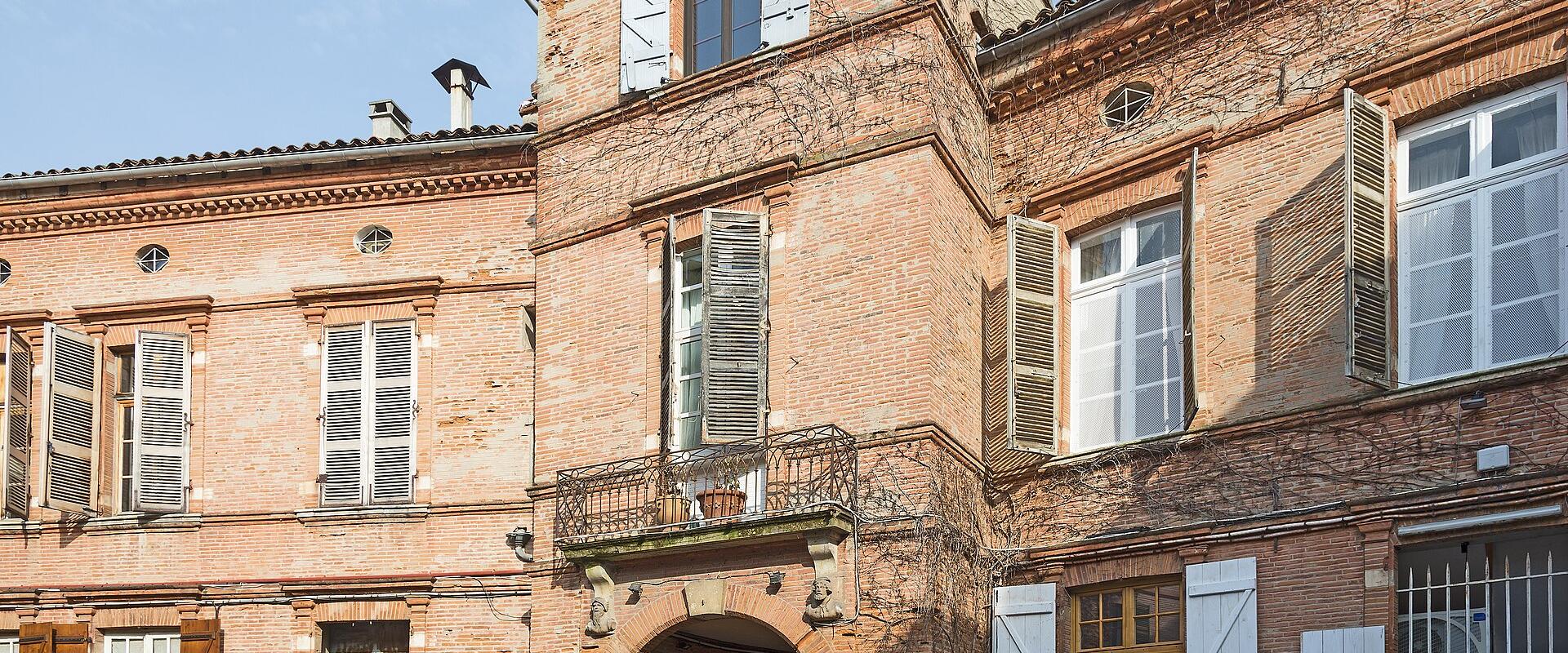
The Rue Saint-Pierre lies in the old centre of Lisieux, in the part of town known as the Quartier Canonial, the district around the cathedral where the canons and clergy of the bishops of Lisieux lived. For centuries, the bishops of Lisieux were also counts of the town, and the quarter kept the stamp of their power, with fine houses, courtyards and the great Gothic cathedral of Saint-Pierre at its centre. The street takes its name from the cathedral and leads through this old quarter, although the town as a whole looks very different from what it was before the Second World War.
Lisieux suffered terribly in the summer of 1944. Bombing during the Battle of Normandy destroyed a large part of the town, including much of the medieval centre, and the rebuilding that followed gave the town a largely modern appearance. A few old buildings survived or were restored, and in the Quartier Canonial it is still possible to find fragments of the old fabric, with half-timbered houses, stone walls and the cathedral itself. The cathedral, begun in the twelfth century, is among the earliest Gothic cathedrals in Normandy and is next to the former bishop's palace and its garden, the Jardin de l'Évêché.
For most visitors, however, Lisieux means Saint Thérèse. Thérèse Martin was born in Alençon in 1873 and moved to Lisieux as a child. She entered the Carmelite convent in the town at the age of fifteen, and she died of tuberculosis in 1897 at only twenty-four. Her autobiography, Story of a Soul, which describes her little way of trust and simple love, made her one of the most loved saints of the Catholic church, and she was canonised in 1925. Pilgrims come from all over the world to see the places connected with her life, among them the Carmelite convent and Les Buissonnets, the house where she lived with her family. The huge Basilica of Saint Thérèse, built in the twentieth century in a Romano-Byzantine style on a hill above the town, has become one of the main pilgrimage churches in France, second only to Lourdes in the number of visitors by some accounts.
The town has other sights. The Musée de la Vie Normande, the Château de la Maltournée and the Parc de la Prairie show something of local life, while the surrounding Pays d'Auge, famed for its cider, calvados and cheese, is a beautiful countryside of half-timbered farms.
Walking the street is free and takes only a few minutes. It suits pilgrims, history lovers and travellers who want to understand the town beyond its basilica. Check opening times for the cathedral and chapels.
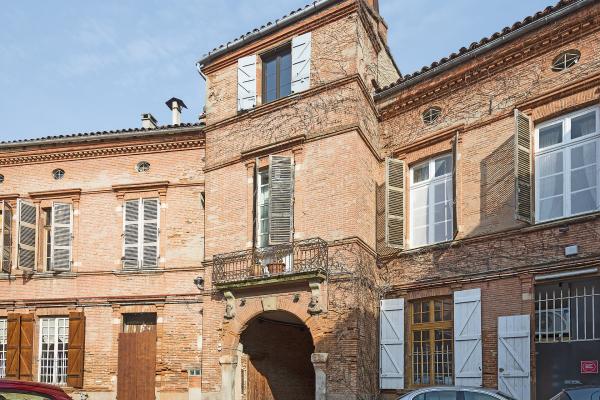
More photos coming soon
Nearby Attractions
Other places to visit in Lisieux
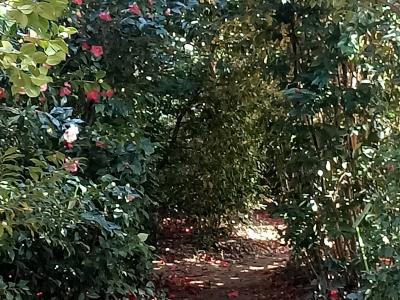
Parc de la Prairie
Public park in Lisieux, Normandy
Nature & Parks
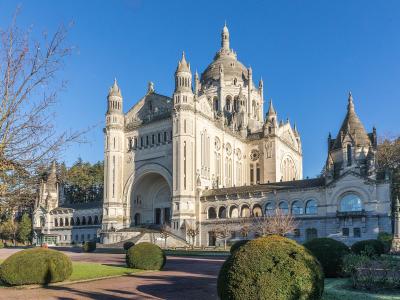
Basilica of Saint Thérèse
Neo-Byzantine basilica with 4,000-seat capacity
Historic Architecture · Museums & Culture
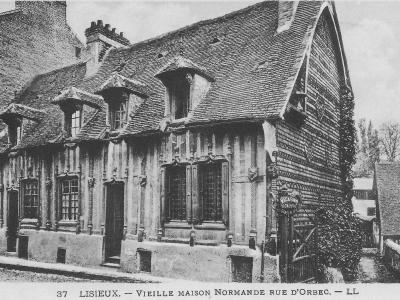
Musée de la Vie Normande
Art and history museum in a historic half-timbered house
From €2 Cultural Centers · History Museums
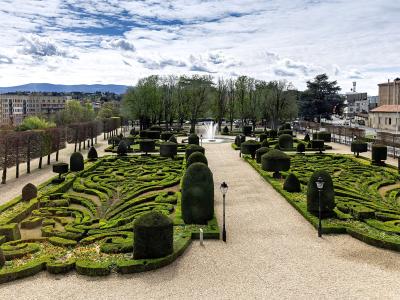
Jardin de l'Évêché
Historic French garden in Lis behind the Bishop's Palace
Free City Centers · Gardens
Questions people ask
Quick Facts
Best Time to Visit
Late June to early September offers warm weather and ideal conditions for outdoor activities and sightseeing.