







- Where
- Chambery, Rhône-Alpes
- Directions
- Directions
Chambéry is a small city in the French Alps, in the valley between the Massif des Bauges and the Chartreuse mountains, and for several centuries it was the capital of the Dukes of Savoy, who ruled from the Château on the hill before moving their court to Turin in 1563. Savoy became part of France only in 1860, and the city has kept an independent character, with Italian touches in its architecture, such as the arcaded lanes, the trompe-l'oeil painting in its cathedral and the colour of its houses. It has a lively cultural life for a town of its size, supported by a large student population and by regional institutions, and its theatres are part of that.
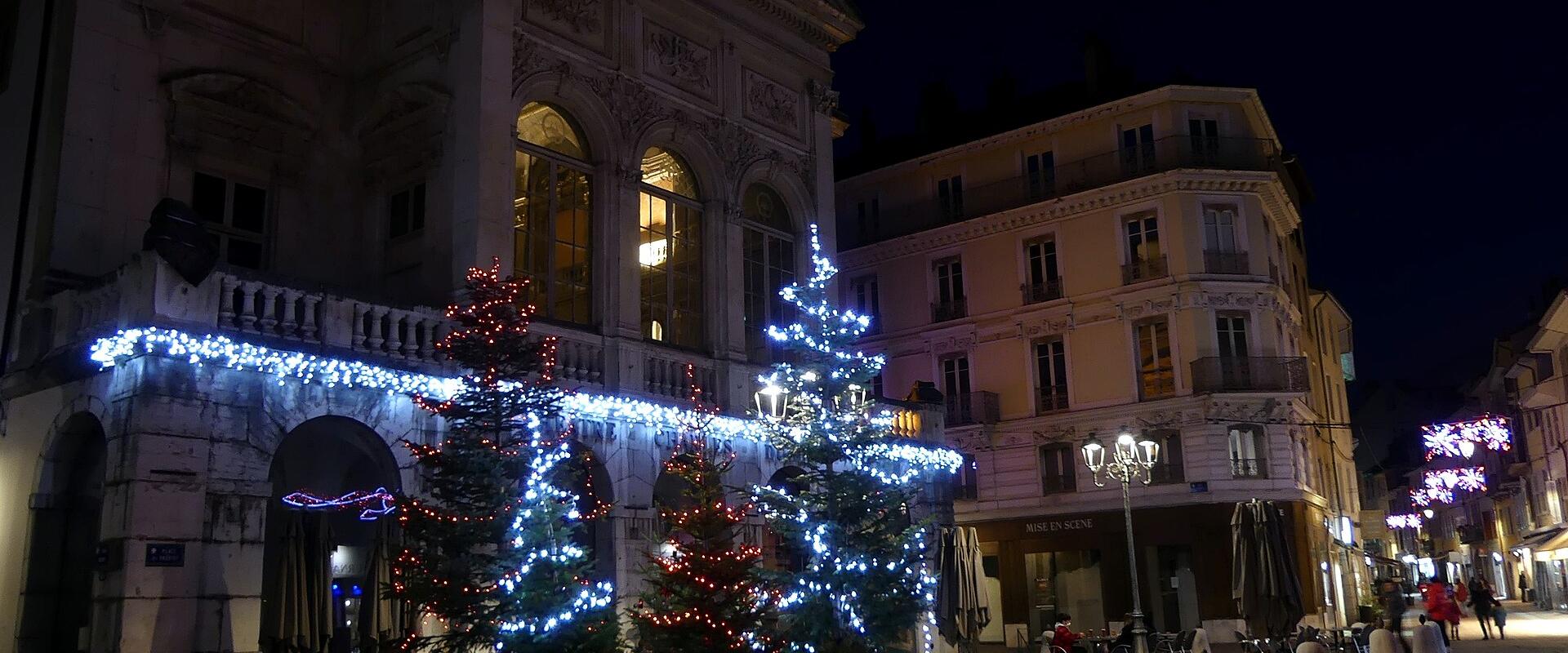
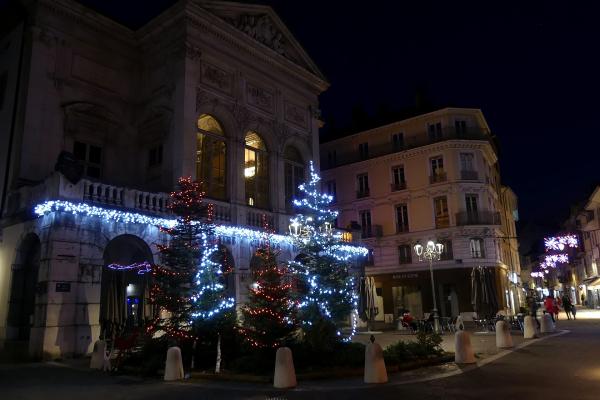
Few details of this particular venue are documented, so the best way to approach it is as part of the city's performing arts scene. Chambéry's main stages present drama, dance, music and circus throughout the autumn, winter and spring, with a national scene for the arts in the town that brings touring companies and local productions. The theatre named after the actor and director Charles Dullin, who was born in Savoy in 1885 and became one of the leading figures of French theatre in the early twentieth century, is among the venues. A performance in the evening is a good way to spend time in the city, especially in winter when the days are short. Check the programme and booking details on the venue's website, as shows are listed by date and tickets are sold in advance. French is the working language of most productions, but dance, music and visual theatre are easy to follow without it.
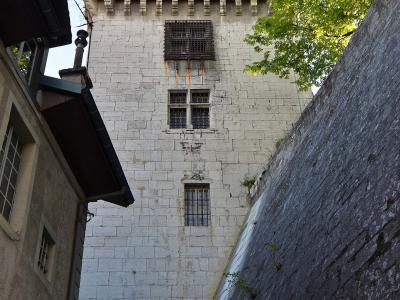
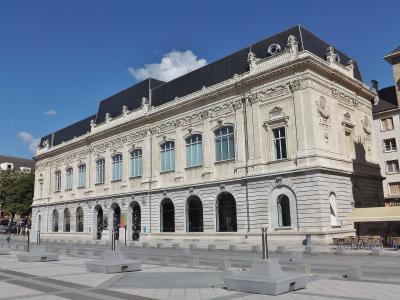
The city offers plenty to see by day. The Château des Ducs de Savoie, a large fortress and palace, now houses the offices of the local authorities and can be visited on guided tours, including the Sainte-Chapelle, which was the home of the Holy Shroud before it went to Turin. The old town has a network of narrow lanes with traboules, the covered passages that connect streets, and the Rue de Boigne leads to the Fontaine des Éléphants, a monument of 1838 built in memory of General de Boigne, a native of Chambéry who made a fortune in India. The Cathédrale Métropole has one of the largest trompe-l'oeil paintings in Europe, covering the interior walls and vaults, and the Musée des Beaux-Arts has a collection that includes Italian paintings. The Musée Savoisien tells the story of the region, and the Place Saint-Léger and the Marché de Chambéry are good places to take a break.
A short distance outside the city lies Les Charmettes, the house where the philosopher Jean-Jacques Rousseau lived for several years in the eighteenth century, which can be visited. The theatre suits those who enjoy live performance and want to see a different side of the city.
Categories
More photos coming soon
Nearby Attractions
Other places to visit in Chambery
Château des Ducs de Savoie
Former ducal residence housing the Savoie Prefecture
From €5.50 Castles · Guided Tours
Musée des Beaux-Arts de Chambéry
Italian art collection in a former granary
Historic Architecture · Museums & Culture
Vieille Ville (Old Town)
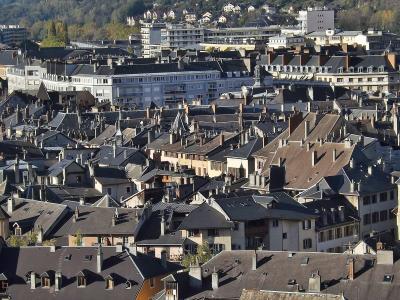
Historic Savoy capital with Piedmontese mansions
City Centers · Heritage Trails
Musée Savoisien
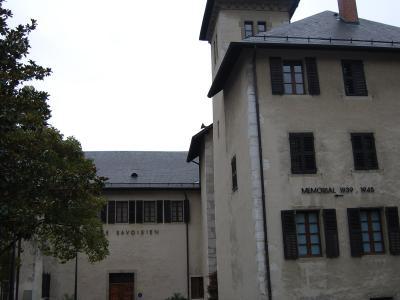
Thematic Savoyard history in a modern setting
Free Cultural Centers · History Museums
Questions people ask
Quick Facts
Best Time to Visit
Mid-June to mid-September offers warm weather and ideal conditions for outdoor activities and sightseeing.