Why Corte Makes the Best Base
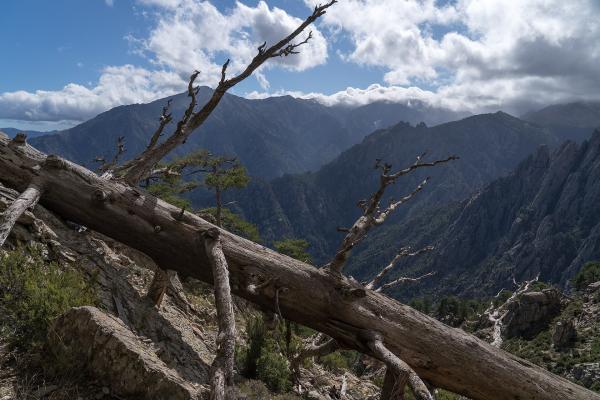
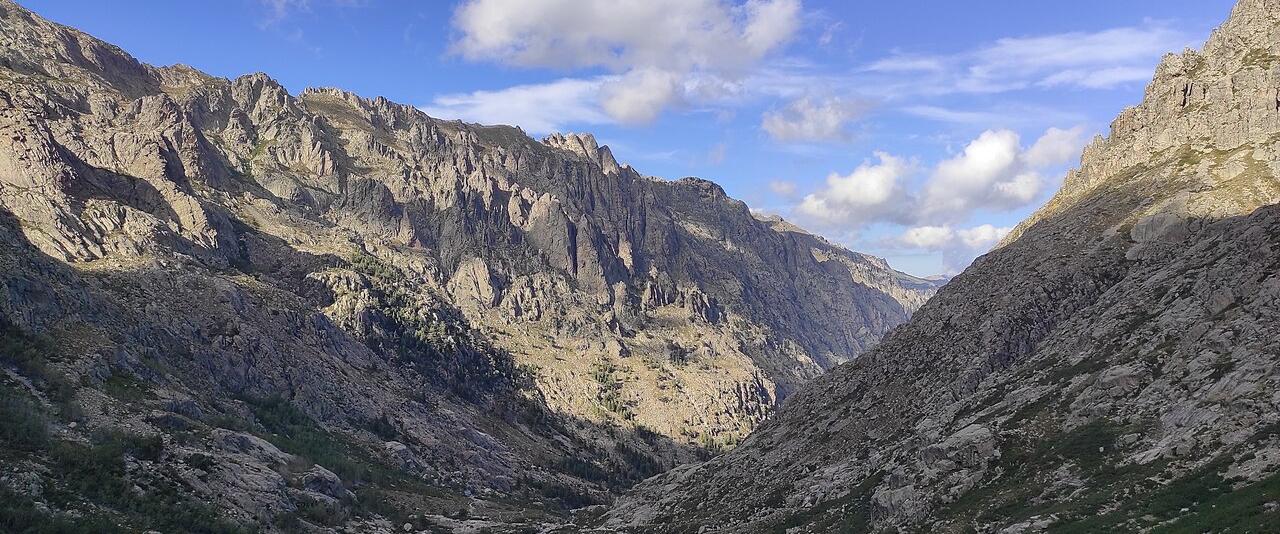
Corsica's interior is a different island from its beaches: granite peaks above 2,000 metres, deep river gorges, chestnut forests and stone villages. The natural base for a weekend in the northern mountains is Corte, the only real town in the centre of the island. It stands on a rock at the meeting of the Tavignano and Restonica rivers, and it has accommodation, restaurants, shops and a station on the island's railway.
Corte also has the deepest roots in Corsican history. Pasquale Paoli made it the capital of independent Corsica in 1755, and in 1765 he founded a university here. The modern Università di Corsica, reopened in 1981, gives the town a student population and a lively feel in term time.
Getting There
Corte is on the Chemins de fer de la Corse line between Bastia and Ajaccio, a slow, scenic mountain railway with tunnels and viaducts, so you can reach it from either port or airport without a car. Driving, it sits on the main T20 road through the centre of the island. A car is helpful for the Niolo and remote villages but not essential for Corte, the Tavignano walk and, in summer, the Restonica shuttle.
Day One: Corte and the Tavignano Gorge
Start in the upper town. Climb the steep streets to the citadel, the only inland citadel in Corsica, which houses the Musée de la Corse, the regional museum of Corsican life, history and anthropology. The Belvédère viewpoint near the citadel looks down on the confluence of the two rivers and up into the gorges.
In the afternoon, walk the start of the Tavignano gorge trail, which leaves from the upper town and follows the river upstream on a marked path. It is a there-and-back walk, so you can turn around whenever you like; the trail continues for many hours towards the Passerelle de Rossolinu footbridge and natural swimming pools, but even an hour or two gives a good sense of the gorge. Carry water and wear proper shoes: the path is rocky and has little shade in places.
Day Two Option A: The Restonica Valley
The Restonica valley climbs south-west from Corte towards the lakes of Melo and Capitellu below Monte Rotondo. It is a listed site, and access has changed in recent years. After storms in November 2023 damaged the D623 road, private vehicles have been banned beyond Tuani, about six kilometres up the valley, with the upper road reserved for emergency services and permit holders. A greenway for walkers and cyclists replaced part of the road, open from April to October.
In summer a shuttle bus has run from Corte station up the valley, and hikers now start well below the old Bergeries de Grotelle car park. Reaching Lac de Melo from the shuttle stop adds more than two hours to the old walk each way. The 2025 shuttle ran daily from early May to late September, but dates and rules can change each year, so check with the Corte tourist office or town hall before you go. The lakes are high-mountain terrain: start early, carry layers, and turn back in poor weather.
Day Two Option B: The Scala di Santa Regina and the Niolo
With a car, drive west from Corte on the D84 through the Scala di Santa Regina, a narrow road cut into a red granite gorge, to the Niolo basin around Calacuccia and its reservoir. The Niolo is the high pastoral heart of the island, below Monte Cinto, Corsica's highest summit at 2,706 metres. Villages such as Calacuccia and Albertacce are starting points for short walks. The road is narrow with sheer drops and occasional livestock, so allow plenty of time.
Day Two Option C: Vizzavona by Train
Without a car, take the train south from Corte to Vizzavona, a mountain pass station in a beech and pine forest. A well-trodden path leads to the Cascade des Anglais, a series of waterfalls and pools on the route of the GR20. Check return train times before you set off, as services are infrequent.
Practical Notes
- Season: Late spring to early autumn. In winter high trails can be snow-covered and some services close.
- Weather: Mountain storms build quickly on summer afternoons; plan walks for the morning.
- Fire risk: In dry summers, access to some forest areas and trails can be restricted on high-risk days.
- Swimming: River pools in the gorges are cold and currents can be strong after rain.
- Respect the land: Much of the interior lies in the Parc naturel régional de Corse; stay on marked paths and take rubbish away.