Why Solo Is an Advantage
Visiting Paris museums alone has real benefits. You can arrive at opening time without coordinating anyone, leave a gallery the moment it gets crowded, and take a single late slot that a group would struggle to book. The trick is to combine that flexibility with the booking systems the big museums now use, and to mix the famous names with smaller collections that rarely have queues.
The Louvre in 2026
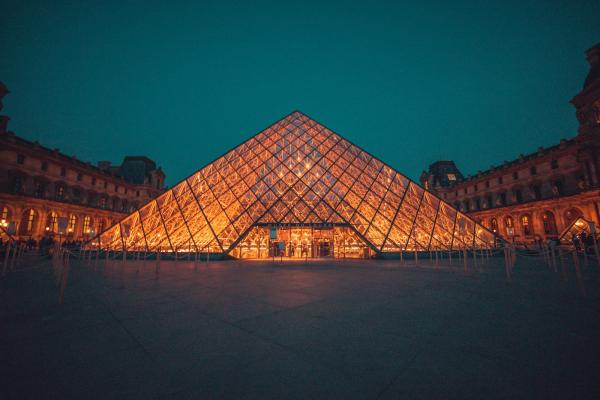
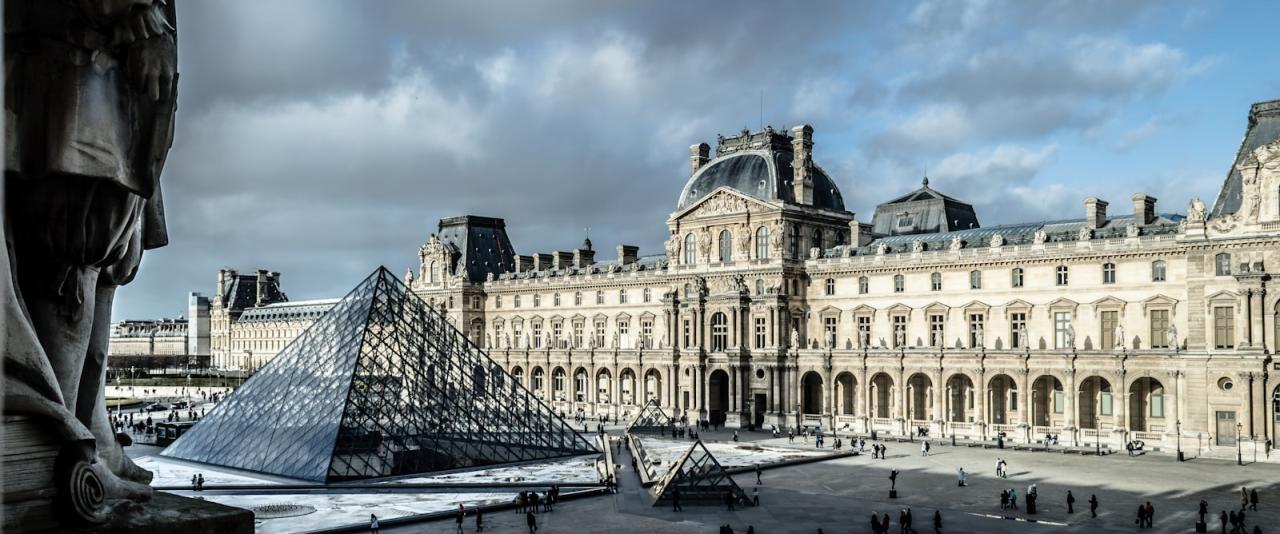
The Louvre is open every day except Tuesday, from 9am to 6pm, with late opening until 9pm on Wednesdays and Fridays. Last entry is an hour before closing. Since 14 January 2026 the museum charges two prices: €22 for visitors from the European Economic Area and €32 for visitors from outside it, with free entry for under-18s and for EEA residents under 26. Prices can change, so check louvre.fr before you buy.
Book a timed slot on the official ticketing site, ticket.louvre.fr, rather than through resellers. Reservations are recommended at all times and are mandatory for everyone between 17 October and 1 November 2026. Entry is also free for everyone on the first Friday evening of the month from 6pm (except July and August) and on 14 July, but those sessions are popular.
For fewer people, take a Wednesday or Friday evening slot. Head away from the Mona Lisa and the Denon wing's Italian paintings at the start, when crowds are thickest there, and begin in the Richelieu wing, with its French sculpture courts and the Napoleon III apartments, or with the Egyptian and Near Eastern collections.
Musée d'Orsay and the Big Names
The Musée d'Orsay, in a former railway station on the Left Bank, is closed on Mondays and stays open late on Thursday evenings. It is busiest in the late morning and on weekends; a weekday opening slot or a Thursday evening is calmer. Book a timed ticket online in advance. Its sister museum, the Orangerie in the Tuileries, is small enough to see in an hour and best visited early for Monet's water lilies.
Note that the Centre Pompidou closed in 2025 for a major renovation expected to last until 2030, so don't plan around its modern art collection; some works are being shown at partner venues in the meantime.
Free Municipal Museums
The City of Paris runs a group of museums whose permanent collections are free to everyone every day they are open. They are often much quieter than the national museums and are ideal for an unplanned hour. They include:
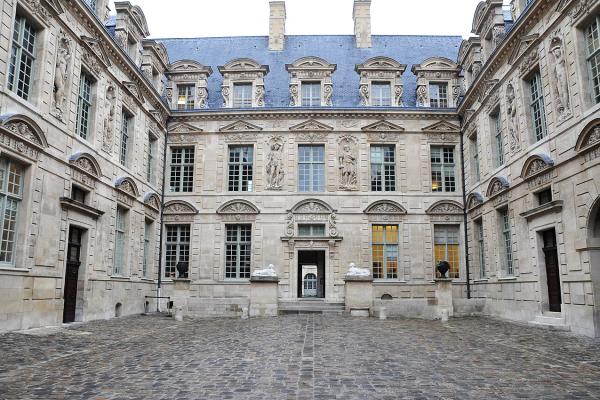
- Musée Carnavalet in the Marais, the museum of the history of Paris.
- Petit Palais, opposite the Grand Palais, with fine art in a 1900 building and a garden café.
- Musée de la Vie romantique, a small house and garden at the foot of Montmartre.
- Maison de Victor Hugo on the Place des Vosges, in the writer's former apartment.
- Musée Cognacq-Jay, 18th-century art in a Marais mansion.
- Musée d'Art Moderne de Paris, in the Palais de Tokyo building.
Temporary exhibitions at these museums are ticketed and can be busy.
Quieter Alternatives to the Famous Names
If the main collections feel overwhelming, consider museums that reward a solo visitor's pace:
- Musée de Cluny, the national museum of the Middle Ages, home to the Lady and the Unicorn tapestries.
- Musée Rodin, whose garden lets you see major sculptures in the open air.
- Musée Jacquemart-André, a 19th-century collectors' mansion on Boulevard Haussmann.
- Musée des Arts et Métiers, a science and technology collection in a former priory, including Foucault's pendulum.
Opening days differ; many Paris museums close on Monday or Tuesday, so check before you set out.
Practical Tips for Going Alone
- Go at opening time or late. The first hour and evening openings are the quietest periods almost everywhere.
- Avoid the first Sunday crush. Some national museums offer free entry on certain days, which draws crowds; paying on a weekday is often a better experience.
- Travel light. Large bags and suitcases are generally not allowed in galleries, and cloakroom queues add time. Security checks are standard.
- Use the cafés. Museum cafés are good places to rest and eat alone without feeling conspicuous.
- The Paris Museum Pass covers entry to many sites but does not replace timed reservations where they are required; book your slot separately.