







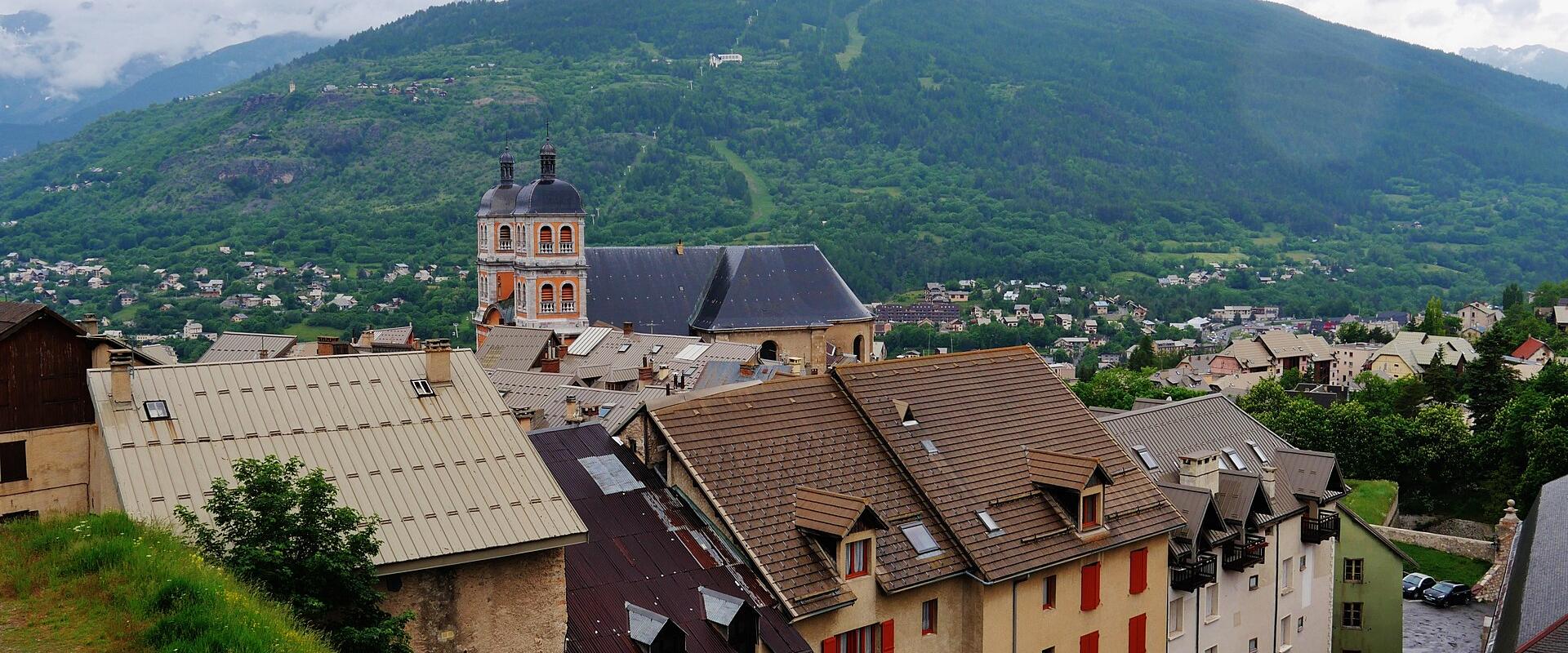
Briançon
Highest city in France with UNESCO Vauban fortifications
Briançon, located in the Hautes-Alpes department of southeastern France, holds the distinction of being the highest city in the country, perched at an altitude of 1,326 meters. This alpine town shows both military engineering and historical resilience, primarily due to its fortifications designed by the renowned French military engineer Sébastien Le Prestre de Vauban in the late 17th century. Commissioned by Louis XIV, these fortifications were built to protect the French border from Savoyard and Austrian incursions. The complex includes the Citadel, the Fort du Randouillet and a network of ramparts and bastions that encircle the old town. In 2008, the Fortifications of Vauban were inscribed as a UNESCO World Heritage Site, recognizing their outstanding universal value as a masterpiece of human creative genius, and the Cité Vauban, the fortified upper town, is part of the listing. The old town itself, known as the Ville Haute, retains its medieval layout with narrow, winding streets and historic buildings, offering a glimpse into the past, and the Grande Gargouille, a steep street with a stream down the middle, is its best-known sight.
The main attractions in Briançon revolve around its military heritage and natural surroundings. The Citadel, located at the highest point of the town, offers views of the surrounding peaks and the Durance valley, and the Bastion de la Reine and the Place d'Armes are part of the same defences. Visitors can explore the various forts and ramparts, learning about the strategic importance of the site through informative displays. The Fort du Randouillet, situated on a hill overlooking the town, provides another vantage point and houses a museum dedicated to the history of the fortifications, and the Fort des Têtes is joined to the upper town by the Pont d'Asfeld. The town also features several churches, including the Collégiale Notre-Dame-et-Saint-Nicolas, designed by Vauban's engineers. The Musée des Traversées, the Maison du Parc National des Écrins and the weekly Marché de Briançon are other places worth a look. Beyond the historical sites, Briançon is a gateway to the Écrins National Park, one of France's largest national parks, known for its biodiversity and rugged landscapes, and the Clarée valley, a protected glacial valley with chalets and alpine meadows, is close. The Serre Chevalier valley, nearby, offers extensive networks for hiking, mountain biking and skiing. Farther away, the star-shaped Fort du Mont-Dauphin, another Vauban site, can be visited, and the long-distance GR54, the Tour des Écrins, passes through.
Activities in Briançon vary significantly by season. In summer, the town is a hub for outdoor enthusiasts. Hiking trails lead to high-altitude lakes and mountain passes, while mountain biking and road cycling are popular on the surrounding roads, and the cols of the Tour de France, such as the Izoard and Galibier, are nearby. The Durance River offers opportunities for rafting and kayaking. In winter, Briançon transforms into a ski destination, with access to the Serre Chevalier ski resort. The town itself offers cross-country skiing and snowshoeing trails. For those seeking adrenaline, activities such as bungee jumping, paragliding and canyoning are available in the surrounding areas. The town also hosts various festivals and events throughout the year, celebrating local culture and sports.
Getting to Briançon is accessible by road and rail. The A51 motorway reaches the southern Alps from Grenoble and Marseille, with national roads continuing to Briançon, making it a convenient stop for road trips. A night train from Paris and regional trains serve the town, with the station located a short way below the old town. For those driving, parking is available in designated areas, though it can be limited during peak seasons. The best time to visit is from June to August, when the weather is mild and sunny, ideal for hiking and outdoor activities. July and August are the warmest months, with average temperatures around 19°C, though nights can be cool. Winter visits, from December to March, are suitable for skiing and snow sports, with colder temperatures and significant snowfall. Spring and autumn offer fewer crowds but can be unpredictable with weather conditions.
Best time to visit
June to August offers mild weather and sunny conditions ideal for hiking and outdoor exploration.
What to see in Briançon
Our picks first.
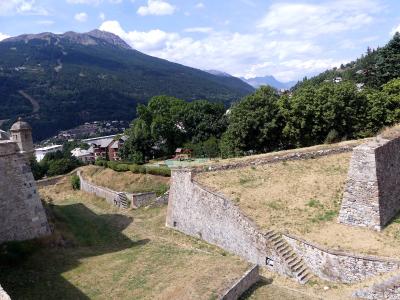
Citadelle de Briançon
UNESCO-listed Vauban fortifications
From €5 Fortresses · Guided Tours
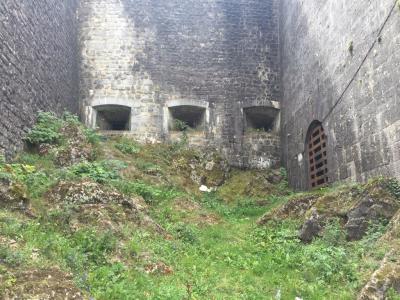
Bastion de la Reine
UNESCO-listed Vauban fortification in Briançon
Fortresses · Historic Towns
Musée des Traversées
Museum dedicated to Briançon's Vauban fortifications
From €5 Museums & Culture
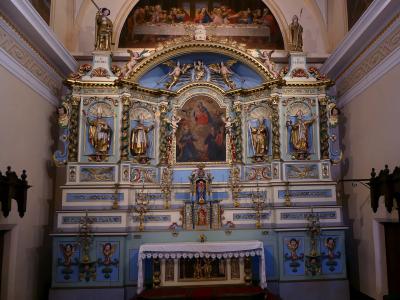
Église Saint-Pierre-aux-Liens
17th-century fortress church in the French Alps
Free Historic Architecture
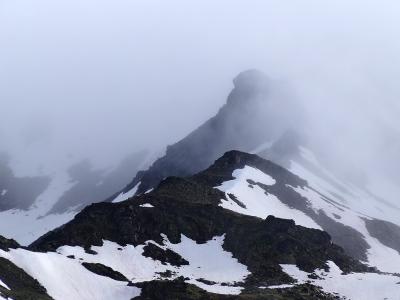
Vallée de la Clarée
Protected glacial valley with 39% of French Alpine flora
Nature & Parks · Geological Sites
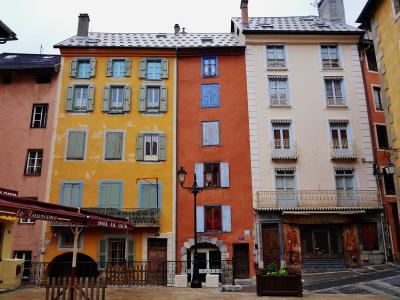
Place d'Armes
Vauban UNESCO fortress town square
Historic Towns · Squares
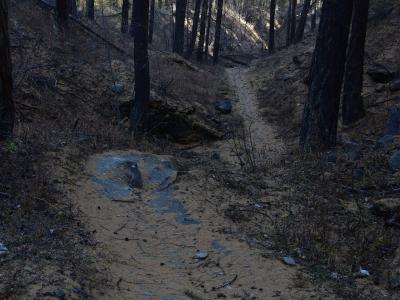
Sentier de Grande Randonnée GR54
Long-distance trail through the French Alps
Guided Experiences · Nature & Parks
Briançon by interest
The same sights, grouped by what you came for.
Did you know?
Checked facts about Briançon, each with its source.
-
History
The Unconquered Fortress
Briançon is one of the few fortified towns in France that has never been captured by an invading force, a distinction maintained since its fortifications were established in the 17th century.
Source: www.connexionfrance.com
Planning a visit to Briançon
Good to know
- Currency
- EUR
- Language
- French
Quick Facts
Book your stay
Questions people ask
More places in Provence-Alpes-Côte d'Azur
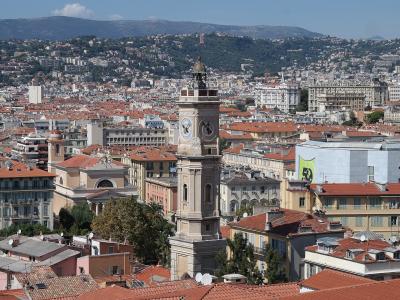
Provence-Alpes-Côte d'Azur
Nice
Capital of the French Riviera with Promenade des Anglais
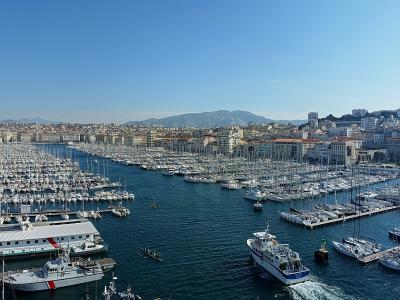
Provence-Alpes-Côte d'Azur
Marseille
France's oldest city and largest Mediterranean port
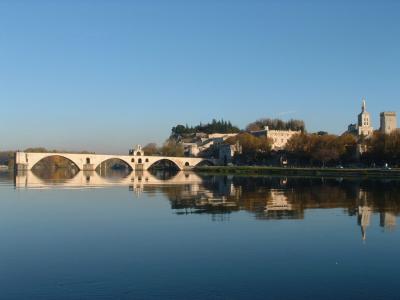
Provence-Alpes-Côte d'Azur
Avignon
The walled city of the popes on the Rhône, home of a world-famous theatre festival
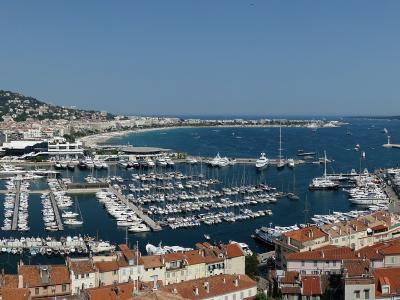
Provence-Alpes-Côte d'Azur
Cannes
Riviera glamour on La Croisette, home of the world's most famous film festival